The world’s largest ‘biological datacenter’ could help make animal testing obsolete
There’s a big flaw in the way that drug companies develop and test medicines today: What works in a mouse often doesn’t work in a human. For decades, the industry has relied on animal testing. But in a laboratory south of San Francisco, a startup called Vivodyne is scaling up a different approach. Inside wardrobe-size mini labs, robots grow human tissue and run thousands of AI -designed…
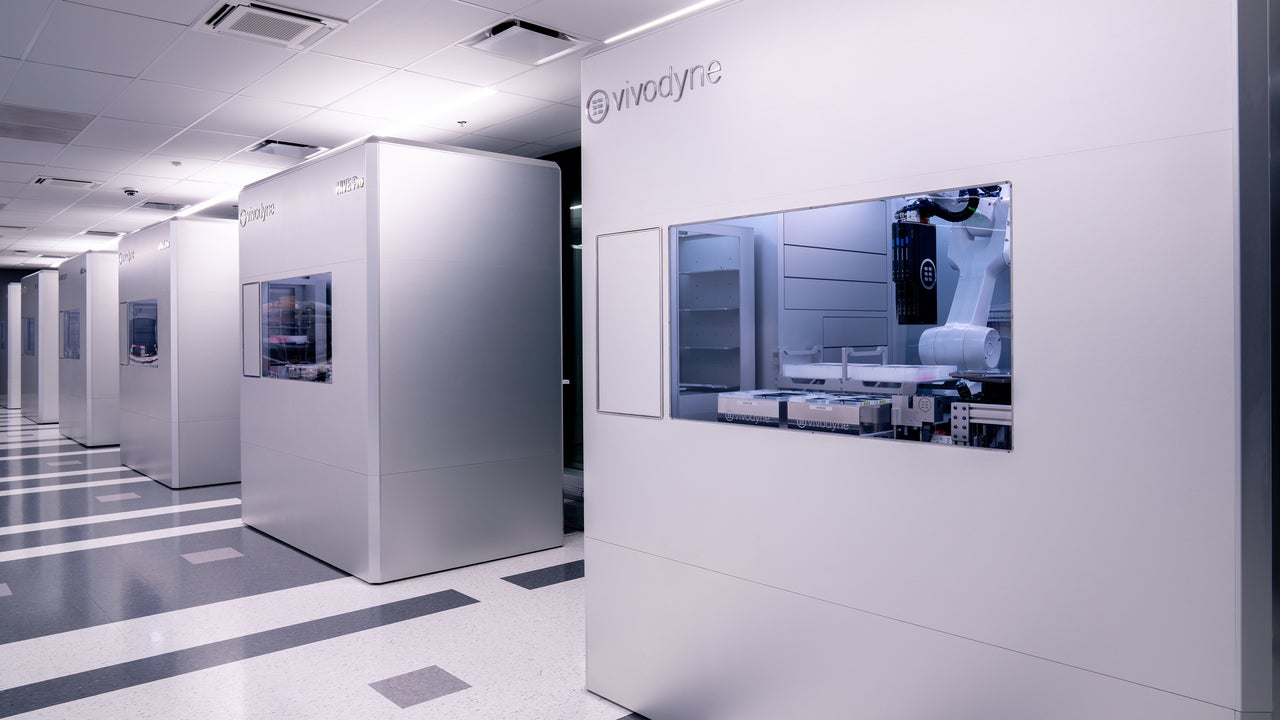
The pharmaceutical industry currently relies heavily on testing drugs on animals, but this often leads to failures in human clinical trials. Vivodyne, a startup in California, is developing a new method using human tissue grown in robotic labs called "hives." These labs produce thousands of living tissue samples with blood vessels and immune cells that mimic organs like livers and kidneys. The system can run over 3 million human tissue trials annually, twice the capacity of all U.S. clinical trials combined.
The process begins with human cells, often obtained via blood draws, which grow on biological chips and self-assemble into functioning tissues. AI designs experiments and analyzes results, enabling testing of numerous drug compounds simultaneously. This allows researchers to observe how tissues respond to drugs, test for side effects, and even watch healthy tissues become diseased.
Vivodyne claims that its platform is up to 1,000 times larger than competitors', allowing for a more comprehensive understanding of human biology. The tech is already in use by major drug companies, helping to prevent development of unsafe drugs and optimize delivery vehicles. Unlike traditional animal testing, which can take years and fails in 90% of cases, Vivodyne's approach is faster and more accurate.
As the FDA Modernization Act eliminated the need for animal testing in U.S. drug development, Vivodyne believes that their technology will soon replace the outdated practice.
Written by urgent.news from Fast Company's reporting — not their text. Machine-written — may contain errors; check the original before relying on it.