The Tata Group: What Ratan Tata Left Unwritten
N Chandrasekaran’s decision not to seek a third term as chairman of Tata Sons is being viewed as a clash of personalities at the top of India’s most respected conglomerate. But it is less of that and more of a failure of a governance model that has outlived the man who made it work. With the passing of Ratan Tata, it was obvious that Chandrasekaran would have to face and respond to questions that…
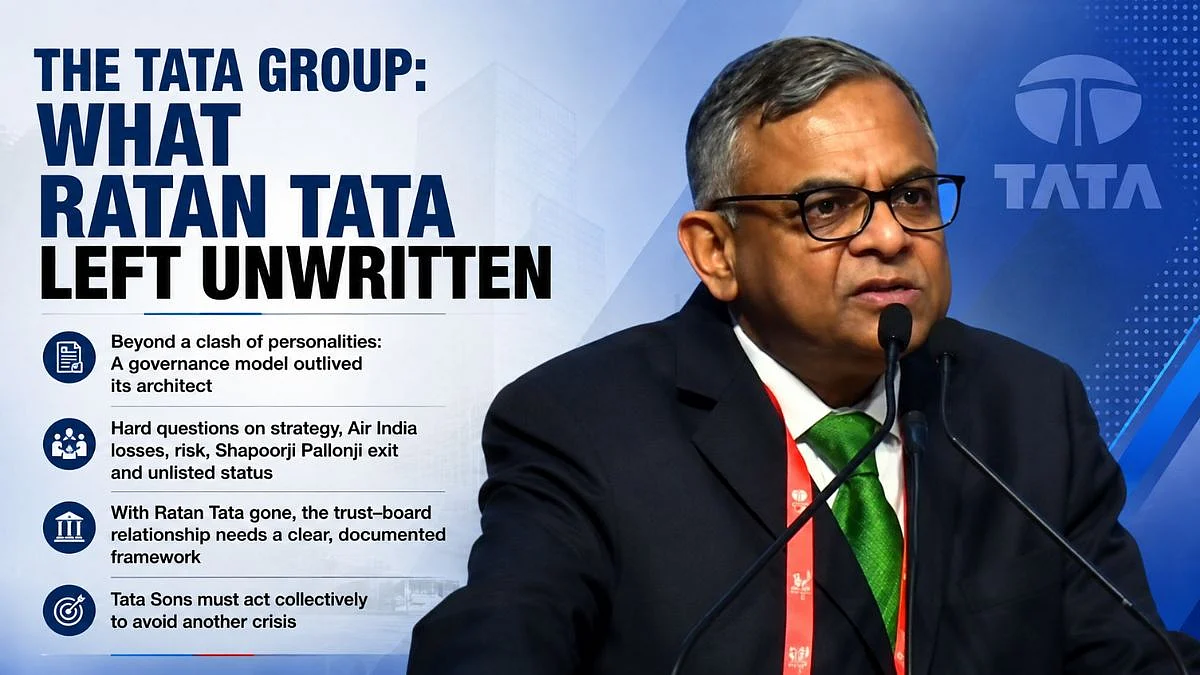
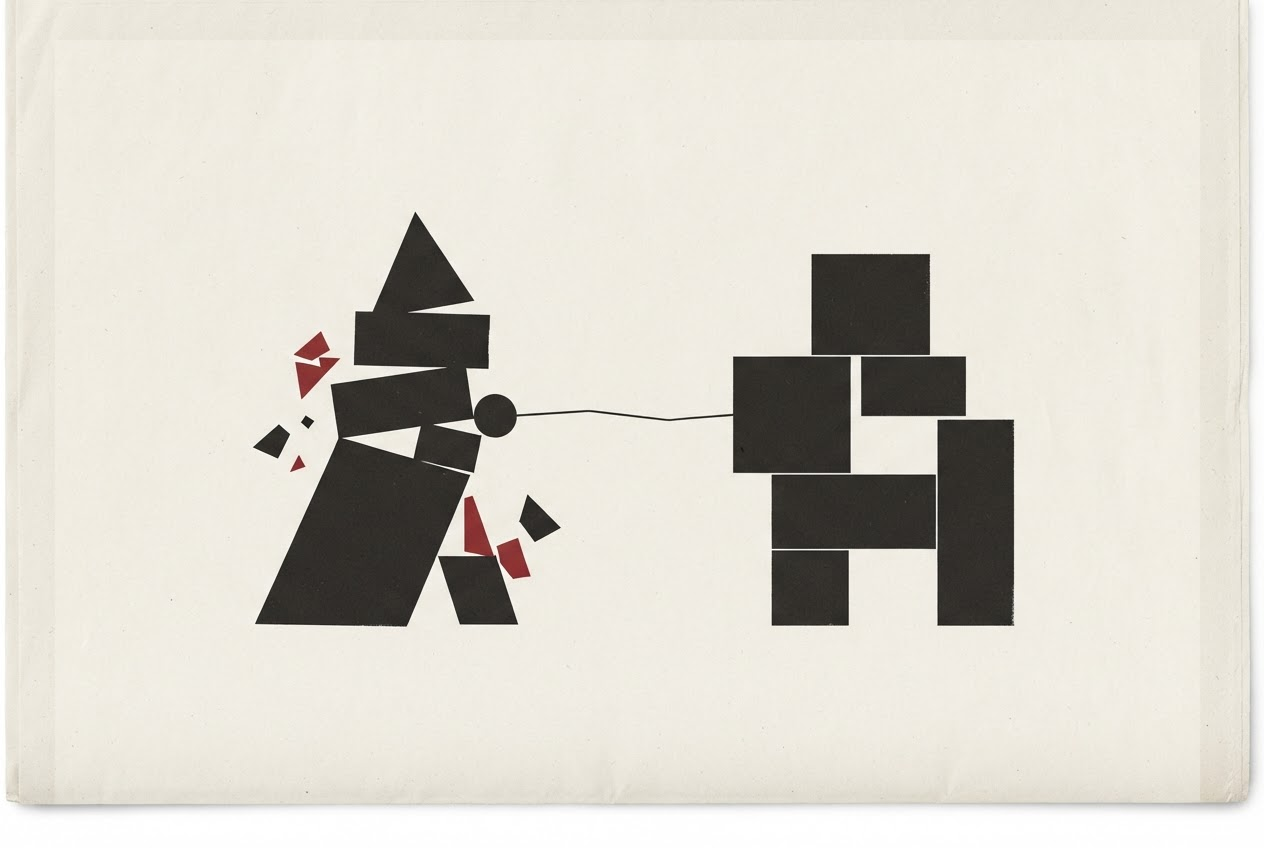
The recent decision by N Chandrasekaran not to seek a third term as chairman of Tata Sons has sparked discussions about governance within India's most respected conglomerate. However, the underlying issue lies in the failure of the governance model that has outlived Ratan Tata, the man who initially made it work. As Chandrasekaran faces the daunting task of addressing long-standing questions, it becomes clear that a new governance framework is necessary to ensure smooth functioning of the conglomerate.
Key issues that need resolution include the lack of a clear five-year strategy, Air India's accumulated losses since the 2022 takeover, the need for a contingency plan for high-risk investments, an exit route for the Shapoorji Pallonji group, and assurances that Tata Sons will remain unlisted. These concerns are valid and should be addressed by any controlling shareholder.
The absence of a formal forum to address these matters has led to a breakdown in governance, as evidenced by the recent incident where four trustees blocked the continuation of a trust's nominee on the Tata Sons board. This highlights the need for a stronger governance structure that can effectively communicate and collaborate between the trusts and the board.
Chandrasekaran's successor will now inherit the responsibility of finding solutions to these critical issues, including losses incurred by Tata Sons' listed entities. The board must act collectively to establish a clear governance framework that addresses the concerns of both the trusts and the board, ensuring that disagreements are resolved amicably.
Ultimately, the Tata Group cannot afford another breakdown in governance, as the price of a similar crisis would be too high. The focus should be on creating a system that not only resolves existing issues but also prevents future conflicts, ensuring the continued success of one of India's most influential conglomerates.
Written by urgent.news from Free Press Journal's reporting — not their text. Machine-written — may contain errors; check the original before relying on it.