The Quest to Understand the Forgotten Psychedelic
One of the first brain scans of mescaline suggests it travels a different path The post The Quest to Understand the Forgotten Psychedelic appeared first on Nautilus .
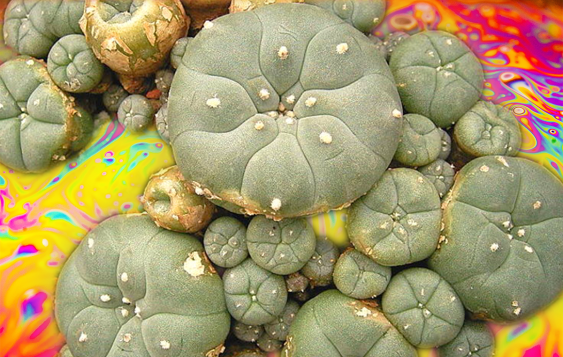
The first brain scans of mescaline reveal its distinct neurological pathway. Mescaline, derived from cacti such as peyote and San Pedro, is the origin of the word "psychedelic." Psychiatrist Humphry Osmond coined the term in a letter to Aldous Huxley in 1956. Osmond later wrote a famous rhyming description of the drug's effects: "To fathom Hell or soar angelic, just take a pinch of psychedelic."
Mescaline is believed to be the first psychedelic used by humans and has been integral to ritual practices in Indigenous societies throughout the Americas for thousands of years. The drug's impact on the brain, however, remains poorly understood, earning it the label of "the forgotten psychedelic." A 2023 study described mescaline as such, highlighting the limited research compared to other psychedelics like psilocybin and LSD.
Researchers from Northeastern University recently used fMRI to scan the brains of awake rats given mescaline. Prior studies on mescaline in humans were conducted with older technology and small sample sizes, while animal research primarily focused on behavior rather than brain imaging. Unlike LSD and psilocybin, which primarily affect the cortex and thalamus, mescaline appears to target the cerebellum, a brain region involved in movement and potentially acting as a gatekeeper for sensory input.
The study found that mescaline reduces cerebellar activity and forms new connections with the hippocampus, thalamus, somatosensory cortex, and midbrain. This may explain the drug's perceptual intensity and strangeness. However, the study has limitations, including the use of a single dose in rats and the lack of monitoring for physiological changes.
The drug's long duration, potential for nausea, and the legal protections surrounding the cacti that contain it pose challenges for future research. Despite these obstacles, the study suggests that mescaline may offer unique insights into the workings of the mind, despite being the least understood psychedelic.
Written by urgent.news from Nautilus's reporting — not their text. Machine-written — may contain errors; check the original before relying on it.