The main land crossing between Argentina and Chile passes its winter closure record
The Cristo Redentor international crossing, which links the Argentine province of Mendoza with Chile's Valparaíso Region through the Andes, has now been closed for close to a month because of a snow and wind storm, surpassing the winter closure record set in 2023. Authorities on both sides estimate it could reopen next week, depending on weather conditions.
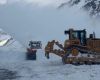
The main land crossing between Argentina and Chile, the Cristo Redentor international crossing, has been closed for nearly a month due to a snow and wind storm, setting a new winter closure record. Authorities estimate the crossing may reopen next week, pending weather conditions. The storm caused snowfall up to four meters in some sections, affecting 80 kilometers of Route 7, with winds reaching speeds of 110 to 160 kilometers per hour and zero visibility.
Around 1,550 international freight trucks were stranded, with estimates suggesting the number could be over 2,000. Drivers from Argentina, Brazil, Uruguay, Paraguay, and Chile were affected. Each immobilized vehicle results in losses of approximately $600 per day. The Mendoza truck owners' association visited the corridor and reported the road in good condition near Puente del Inca, urging the tunnel's opening.
However, the national roads agency stated that despite clearing work reaching the tunnel's mouth on August 9, winds prevented traffic from passing to Las Cuevas, necessitating intensified precautions due to avalanche risks. Chile's Border Crossings Unit head, Sergio Salazar, maintained that no suitable opportunities were missed, as work on the Chilean side was completed the previous Friday and on the Argentine side this week.
Reopening will not immediately restore normal traffic, requiring between five to six days to clear the backlog, given the winter timetable allowing for only around twelve hours of operations daily. The storm also closed other crossings, forcing alternative routes with an extra 2,000 kilometers to reach the Pacific.
Written by urgent.news from MercoPress's reporting — not their text. Machine-written — may contain errors; check the original before relying on it.