The Lesson Watergate Was Supposed to Teach
Arthur M. Schlesinger Jr. thought Nixon’s downfall would restrain presidents for generations. Instead, Watergate helped write the script for the scandals that followed.
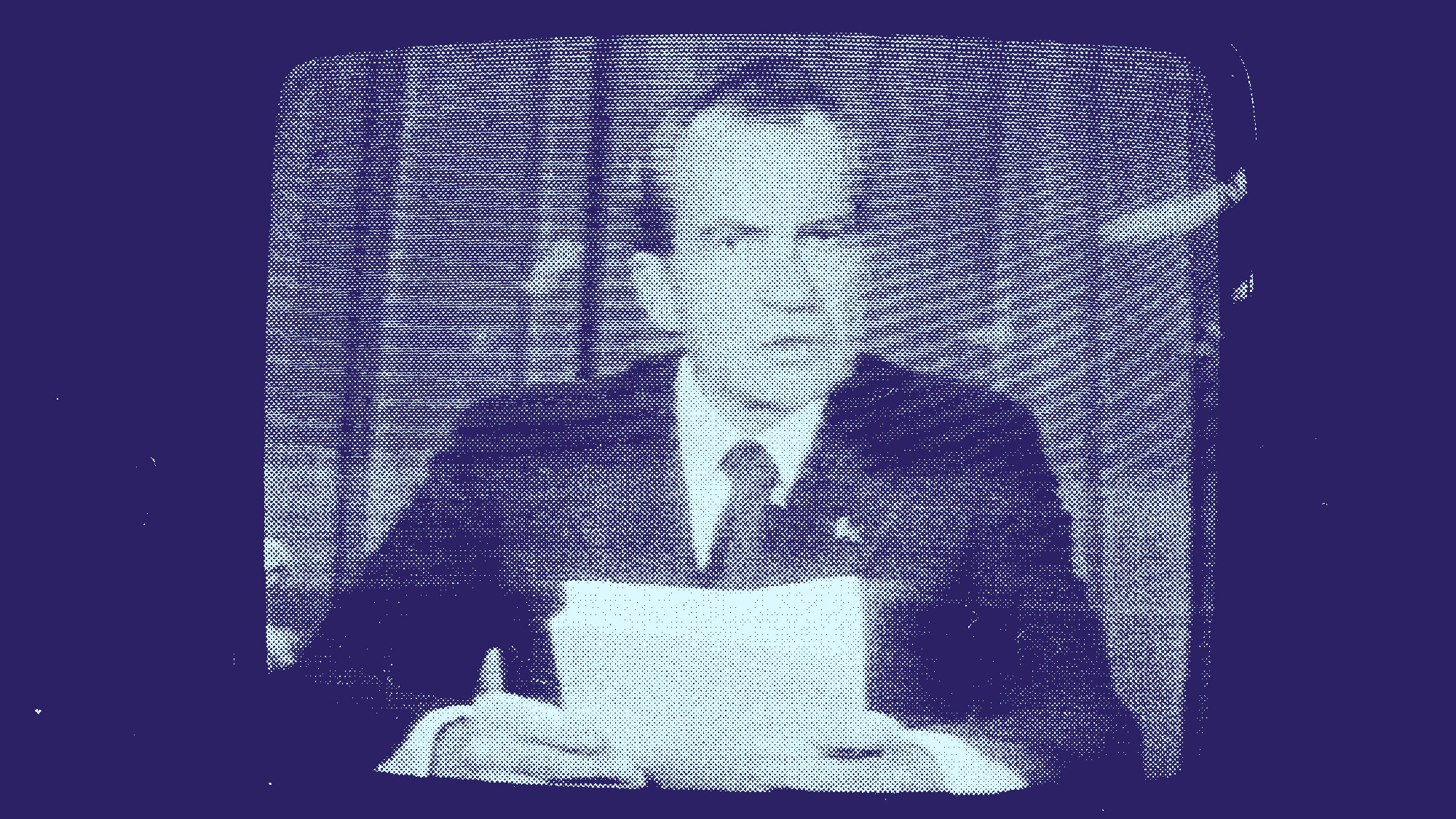
The autumn of 1973 marked a pivotal moment in American history as Watergate unfolded during the presidency of Richard Nixon. In response, Arthur M. Schlesinger Jr. penned an insightful piece for The Atlantic's November issue, addressing the erosion of presidential power and its implications for the nation. Schlesinger argued that Watergate was a watershed moment that could potentially usher in a new era of restraint and accountability for future presidents.
However, nearly five decades later, the legacy of Watergate has evolved into a seemingly never-ending spectacle that dominates American political discourse. J. D. Vance recently noted that if Watergate occurred today, it would likely generate just a 12-hour news cycle, highlighting how public fascination with presidential scandals has shifted since the Nixon era.
Schlesinger's prognosis was far from correct as he observed the expansion of executive power during the Cold War and the accelerated accumulation of authority within the White House. Nixon's abuses were a symptom of a larger problem, one that Schlesinger identified in his book "The Imperial Presidency." He argued that previous presidents may have had such power, but lacked the ambition and contempt for law that characterized Nixon's presidency.
While Schlesinger advocated for impeachment and a renewed focus on Congress's role in reasserting its constitutional authority over the executive branch, the reality has been quite the opposite. The scandals that once sparked a democratic revival to check presidential power have instead become a well-worn script that is eagerly consumed by the media and the public.
As a result, the institutions that were meant to check presidential power have, in some cases, enabled it, leaving the nation with a president who believes that "when the president does it, that means it is not illegal."
Written by urgent.news from The Atlantic's reporting — not their text. Machine-written — may contain errors; check the original before relying on it.