The first definition of the metre
August 1 could well be celebrated as metre’s birthday as it was on this day in 1793 that the French National Assembly “affirmed the decimal system and the meridianal definition of the meter”. In the course of the 230-plus years that have followed, the definition of metre has changed a number of times. A.S.Ganesh grabs a wooden 1m ruler to draw your attention to its length…
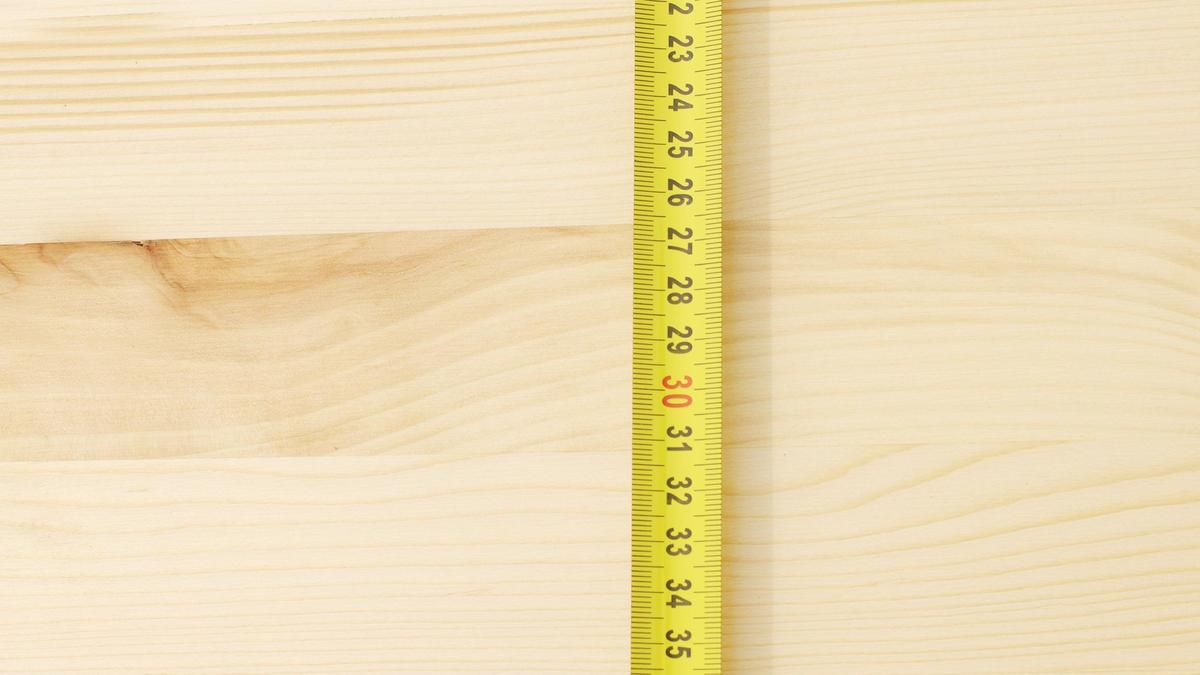
The metre, a fundamental unit of length in the International System of Units (SI), originated during the tumultuous period of the French Revolution in the late 18th century. As the revolution swept across France in 1789, the public demanded uniform weights and measures to facilitate trade and avoid confusion caused by the diverse regional systems present at the time.
The metre emerged as part of a new universal decimal system founded upon a "natural and invariable base." In 1790, the National Assembly endorsed the project, and a basic unit of length measurement, the metre, was proposed. Mathematicians Jean Baptiste Joseph Delambre and Pierre Francois Andre Mechain were tasked with defining the metre, choosing it as a decimal unit equal to one ten-millionth of the distance between the terrestrial pole and the equator.
Delambre and Mechain spent six years, from 1792 to 1798, conducting geodetic measurements between Dunkirk and Barcelona, covering an arc section of the meridian that passed through Paris. This measurement served as the basis for the first definition of the metre.
Written by urgent.news from The Hindu - Sci-Tech's reporting — not their text. Machine-written — may contain errors; check the original before relying on it.