Tencent falls as Q2 profit miss raises concern over rising AI investment costs
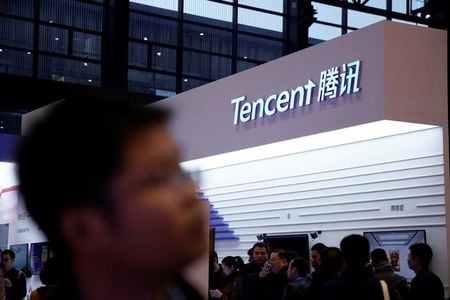
Tencent Holdings Ltd's shares plummeted 3.8% to HK$444 on Thursday, as investors grappled with the company's second-quarter profit shortfall and mounting expenses tied to its artificial intelligence ventures. The Hang Seng Index remained flat amid the trading.
Investors' concerns centered on the belief that Tencent's substantial AI investments might be adversely affecting short-term profitability and cash flow, even before the company can showcase a meaningful contribution from its recently introduced AI products. Despite reporting a modest 0.7% rise in profit attributable to shareholders to RMB56.0 billion, Tencent fell short of the Visible Alpha consensus estimate of RMB58.5 billion by roughly 4%.
Revenue climbed 11% to RMB204.8 billion, slightly exceeding the Visible Alpha consensus of RMB202.7 billion, indicating that the issue primarily resided within the revenue segment rather than the overall business performance. Capital spending surged to RMB52.8 billion in the quarter, a significant increase from RMB31.9 billion in the first quarter, as Tencent intensified its investments in computing resources for AI models, including WorkBuddy, CodeBuddy, and Weixin initiatives. This surge in spending contributed to a negative free cash flow of RMB13.8 billion.
Tencent has publicly stated its commitment to investing heavily in the infrastructure required to convert the burgeoning usage of its AI models and applications into future revenue streams. The company unveiled the production version of its Hy3 model in July and reported rapid user growth for WorkBuddy and CodeBuddy. Within its core businesses, Marketing Services revenue surged 22%, fueled by AI-enhanced advertising tools, while domestic games revenue expanded 17%.
FinTech and Business Services revenue climbed 9%, partially driven by demand for AI-related cloud services.
Despite the intensified investment cycle, Tencent continued to reward shareholders, disbursing RMB41.7 billion in cash dividends during the first half of the year, up from RMB37.7 billion a year prior. The company also repurchased and canceled shares throughout the period. As Tencent navigates an increasingly competitive AI landscape against Chinese counterparts like ByteDance and Alibaba, the company's heavy investment push injects an additional layer of uncertainty surrounding the magnitude and schedule of returns from this strategic endeavor.
Written by urgent.news from Investing.com's reporting — not their text. Machine-written — may contain errors; check the original before relying on it.
This story
This is one outlet's version. Read the fullest account.
- China tech giant Tencent’s Q2 profit down as AI push builds straitstimes.com