Temperatures to soar to 38C as amber extreme heat warning comes into force
Heat will spike again on Thursday with a rare warning in place and more records set to tumble.
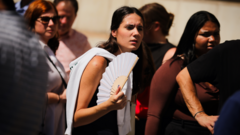
Temperatures in the UK are expected to reach a sweltering 38C as an amber extreme heat warning takes effect on Thursday. This marks the peak of the UK's fifth widespread heatwave this year, with most of the warning area anticipating mid-30s Celsius temperatures. An amber heat health alert, warning of significant health and social care impacts, is already active across England until 9:00 PM BST on Friday.
The intense heat could lead to power outages, rail and air travel disruptions, and serious health issues like dehydration and heat exhaustion. The warning is in place for Eastern England, London, the south-east, the Midlands, and parts of Yorkshire and Humber from 9:00 AM BST until 11:59 PM BST. Alongside the heat warning, the UK Health Security Agency will issue amber heat health alerts across England until 9:00 PM BST on August 14, highlighting potential risks such as increased mortality, particularly among the elderly or those with health conditions.
Unusually humid air will contribute to tropical nights with temperatures remaining above 20C, exacerbating the heat stress. Despite its severity, this heatwave is expected to be short-lived, lasting two to three days at most, with temperatures gradually decreasing towards the weekend. However, the extreme conditions could break long-standing temperature records, with the possibility of reaching 35C or higher, making it the fourth month this year to record such high temperatures - an unprecedented occurrence.
If temperatures hit 36C or above, 2026 will become the first year on record to have four days at or above that threshold, surpassing the previous record of three days set in 1990, 2003, 2020, and 2026. Some locations, including London, may even reach 38C, tying the record set in 2003. As long as August temperatures stay average or above, this summer could replace 2025 as the warmest on record.
Written by urgent.news from BBC News's reporting — not their text. Machine-written — may contain errors; check the original before relying on it.