Temperatures may reach 30 degrees as hot weather warning remains in place
Nationwide hosepipe ban ‘could potentially be extended’, says Uisce Éireann chief
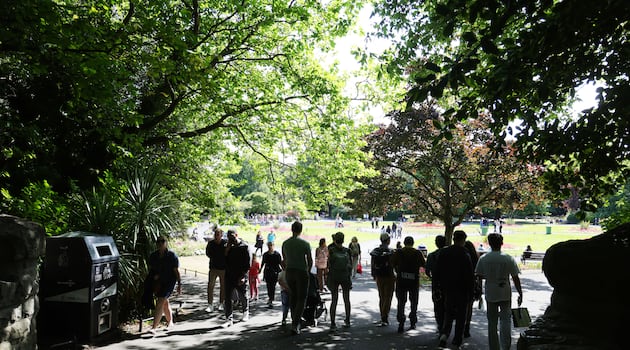
The upcoming days will bring scorching temperatures across various regions of the country, with some areas potentially experiencing highs of 31 degrees Celsius. A yellow heat warning, issued by Met Éireann, came into effect on Wednesday and will persist until Friday morning. The warning is particularly significant in Leinster and Tipperary, where temperatures could soar to 30 or 31 degrees Celsius on Thursday afternoon.
The high heat is expected to have multiple impacts, including water safety concerns due to increased recreational activities and discomfort during sleep. Heat stress and potential harm to animals are also possible outcomes. While nights will remain relatively mild, with temperatures not falling below 15 degrees in most areas, the country will generally remain dry in Munster and Leinster.
However, showers are forecasted to move eastward in the evenings, with the warmest temperatures concentrated in the eastern parts of the country.
The forecast predicts daytime highs ranging from 23 to 30 or 31 degrees Celsius, with coastal regions experiencing slightly cooler temperatures, typically around 20 degrees. There may also be instances of mist and fog, particularly in hill and coastal areas. Nevertheless, Friday's temperatures are expected to be somewhat milder, with northern regions hovering around 17 degrees Celsius, while southern and eastern parts could reach up to 24 or 25 degrees Celsius.
In response to the prolonged heatwave, Uisce Éireann, the country's water company, has warned that a nationwide hosepipe ban may need to be extended if the hot conditions persist. Currently, the ban is set to remain in place until August 26th. Margaret Attridge, head of water operations at Uisce Éireann, indicated that the ban could be extended based on the evolving weather patterns and water supply conditions.
She emphasized that the organization is continuously monitoring the situation and will consider extending the ban if necessary. Attridge noted that while recent rainfall in some areas has provided temporary relief, it alone is unlikely to significantly replenish lake and river sources. Therefore, the ban will depend on various factors, such as the weather forecast and soil moisture levels.
Written by urgent.news from The Irish Times's reporting — not their text. Machine-written — may contain errors; check the original before relying on it.