Study Questions How Prostate Cancer Focal Therapy Is Being Used
(MedPage Today) -- While the use of focal therapy for nonmetastatic prostate cancer is limited, half of procedures occurred in settings that are not supported by current guidelines, according to a retrospective study. Among over 1.1 million men...
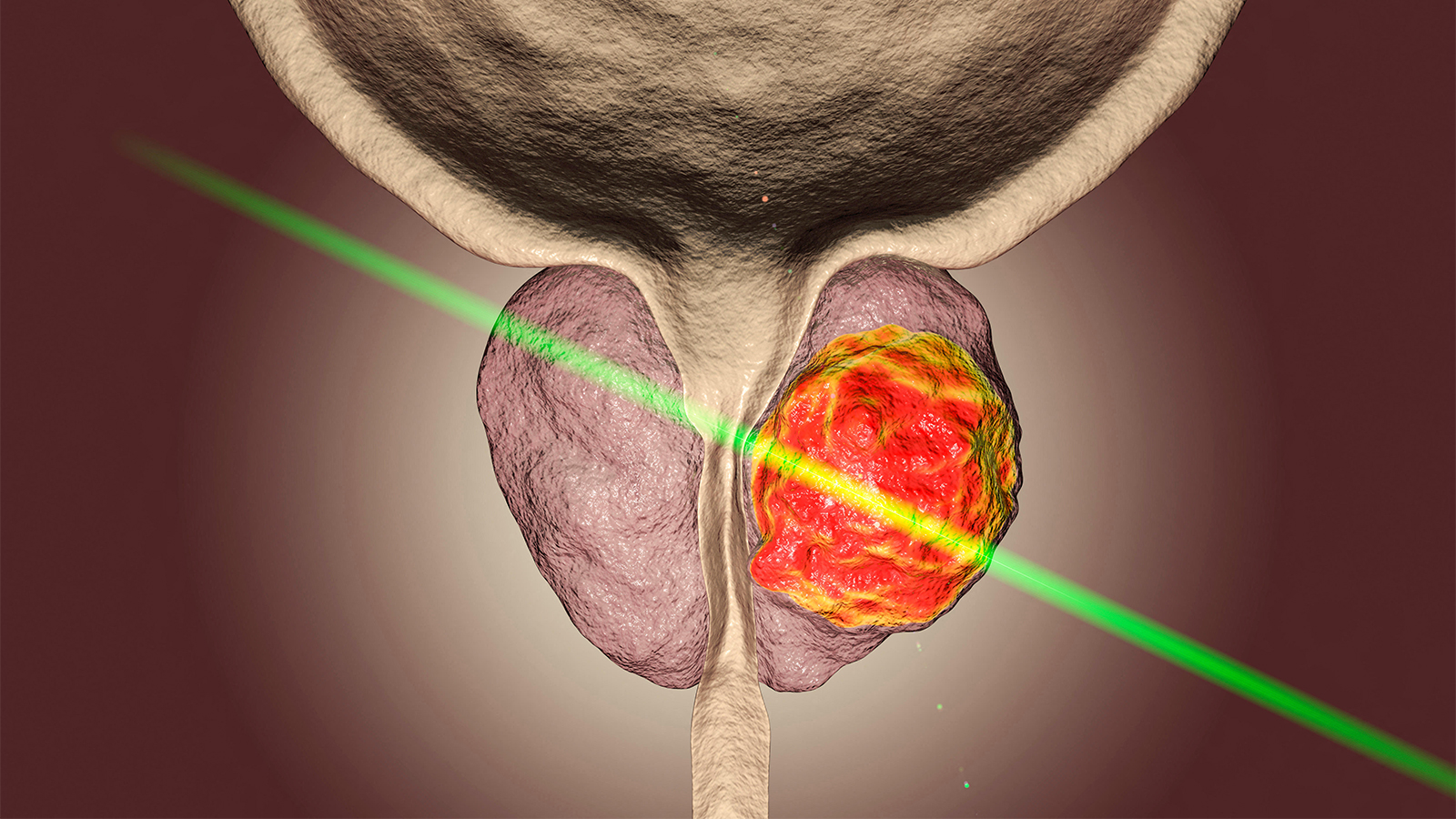
A recent study published in JAMA suggests that a significant portion of focal therapy for nonmetastatic prostate cancer is being used in settings that are not supported by current guidelines. Researchers analyzed data from over 1.1 million men diagnosed with nonmetastatic prostate cancer between 2010 and 2023 and found that 1.3% of these patients received focal therapy.
However, 51% of these patients had low-, high-, or very-high-risk disease, which are not typical scenarios for the use of focal therapy as per contemporary guidelines.
Focal therapy, which involves treating individual tumors within the prostate while sparing healthy tissue, is generally recommended for patients with intermediate-risk disease. While this approach can help preserve quality of life, it is crucial to ensure that treatment decisions are evidence-based and aligned with clinical guidelines.
The study highlights the importance of understanding which patients are most likely to benefit from focal therapy to avoid overtreatment in low-risk patients and undertreatment in high- and very-high-risk patients.
The study also notes that the emergence of commercial availability and increased reimbursement for focal therapy may have increased interest among both patients and physicians. Researchers from Case Western Reserve University express concern about the experimental nature of focal therapy outside of randomized trials and emphasize the need for high-level evidence to support its use in high- and very-high-risk prostate cancer.
They argue that focal therapy should not be viewed as an interchangeable option between radical prostatectomy and active surveillance.
The researchers used the National Cancer Database to identify 1,179,384 men diagnosed with nonmetastatic prostate cancer between 2010 and 2023 and treated at U.S. Commission on Cancer-accredited centers. Of these patients, 15,672 received focal therapy. While the rate of focal therapy did not significantly change in patients with low-risk disease, it significantly increased among those with favorable intermediate-risk disease and decreased in those with unfavorable intermediate risk, high risk, and very high risk.
The study also found that the use of different focal therapy modalities changed over time, with cryotherapy use decreasing and the use of laser ablation and high-intensity focused ultrasound increasing. In their analysis, the researchers found that factors such as age, comorbidity burden, insurance status, treatment location, and volume of facilities were associated with the likelihood of receiving focal therapy.
However, the study had limitations, including the potential underrepresentation of focal therapy performed outside accredited centers and the lack of data on oncologic outcomes, toxicity, quality of life, retreatment, and costs.
Written by urgent.news from MedPage Today's reporting — not their text. Machine-written — may contain errors; check the original before relying on it.
This story
This is one outlet's version. Read the fullest account.