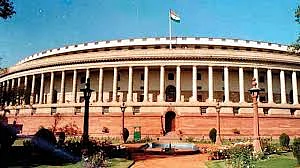
Restoring J&K’s statehood is key to political stability
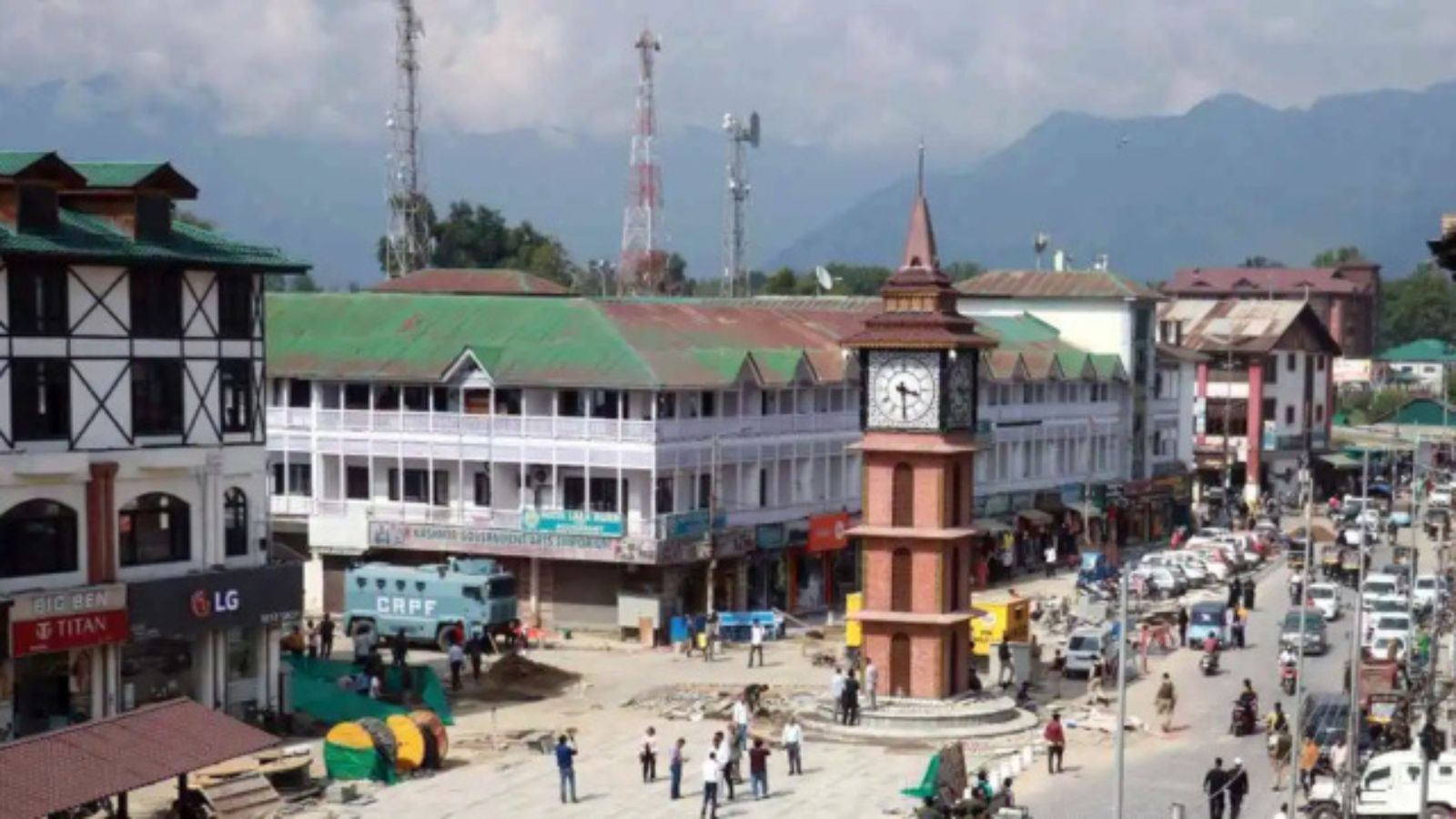
The complex political history of Jammu and Kashmir (J&K) has shaped the region's governance and administration over the decades. From its accession to India in 1947, J&K alternated between elected governments and direct central rule, largely influenced by political instability and security concerns. The unique constitutional position under Article 370 granted the state significant autonomy, with leaders like Sheikh Abdullah and later Congress dominating the political scene.
However, this stability was often disrupted, with central rule imposed through Governor's Rule or President's Rule when necessary. The 1987 controversial Assembly elections, seen as rigged, led to deep public disillusionment and the rise of militancy in the early 1990s. The restoration of statehood in 2019 through the Jammu and Kashmir Reorganisation Act bifurcated the state into two Union Territories, Jammu and Kashmir and Ladakh.
While this move aimed to enhance national integration and combat terrorism, it also led to tensions over administrative powers and accountability, as key subjects remained under the control of the Lieutenant Governor, representing the Union government. Today, the central political issue revolves around the restoration of full statehood, with regional parties pushing for immediate restoration to bolster democratic governance.
Written by urgent.news from The Indian Express's reporting — not their text. Machine-written — may contain errors; check the original before relying on it.