RBI turns upbeat as worst of Iran war shock recedes
India’s economy is showing resilience five months after the Iran war sparked fears of inflation and a downturn. Inflation remains within the RBI’s tolerance band, while vehicle sales, credit growth and GST receipts point to firm demand. Strong corporate balance sheets and festive-season spending are further bolstering optimism despite renewed oil and currency risks.
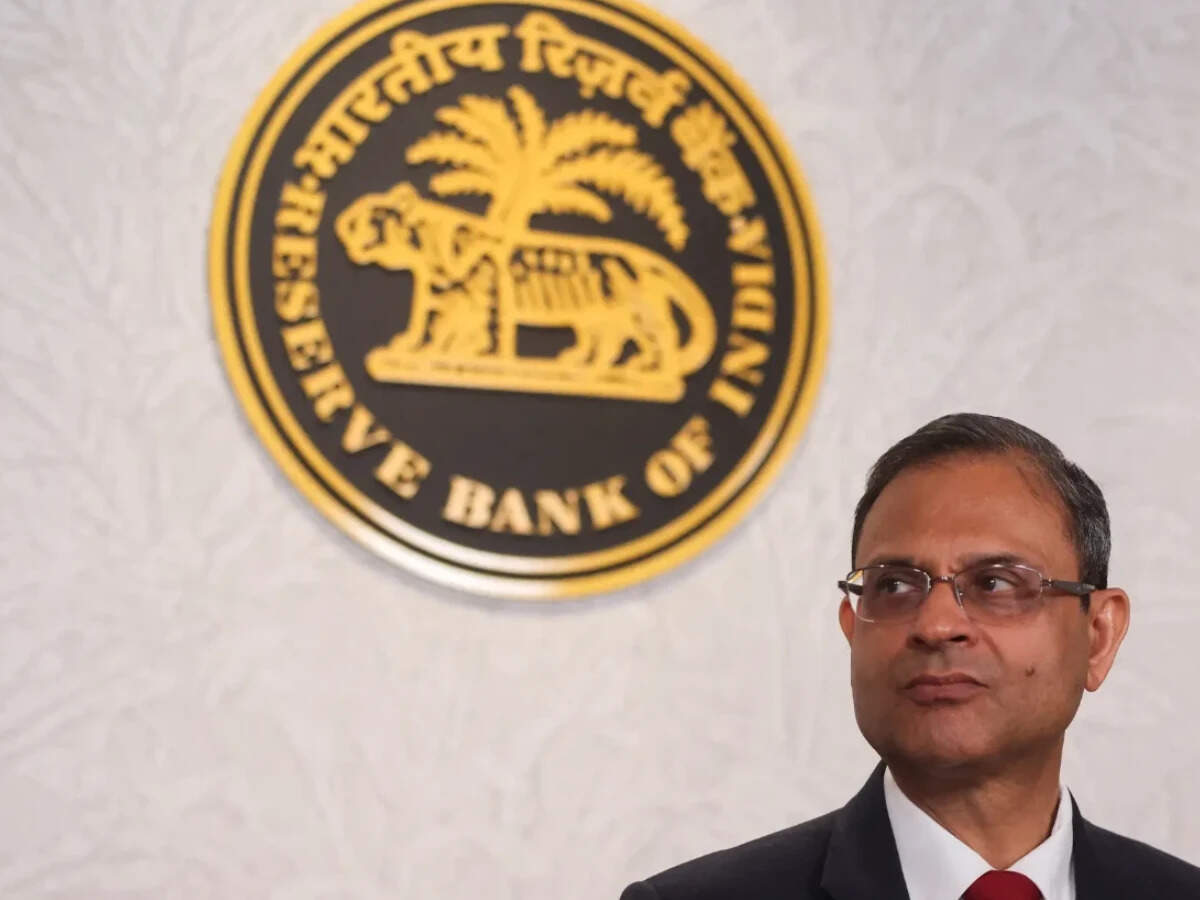
Five months after the Iran war heightened fears of inflation and economic downturn, Indian officials are now more optimistic as the worst of those concerns have yet to materialize. Inflation ticked up slightly last month but stayed within the Reserve Bank’s 2%-6% tolerance range, according to data released on Wednesday. Consumer demand has remained strong, with vehicle sales hitting record levels, credit growth reaching a two-year peak, and GST receipts surging at a double-digit rate.
This resilience is a pleasant surprise for an economy that seemed particularly vulnerable to the surge in oil prices triggered by the conflict. While questions remain about the durability of growth and the volatility of monthly indicators, the outlook appears less precarious than it did in March. Reserve Bank Governor Sanjay Malhotra highlighted this shift during a recent banking conference in Mumbai, emphasizing resilient growth, inflation "more or less under check," robust corporate balance sheets, and a "robust" external sector as reasons for confidence.
One major factor contributing to the more positive outlook is the comprehensive overhaul of India's tax system last year. This reform reduced prices on various goods, from cars and appliances to everyday household items, thereby increasing disposable income, according to economists. The optimistic sentiment was evident in the latest earnings season, with major consumer goods companies like Hindustan Unilever and Britannia Industries reporting that concerns over an "inflation-led impact" on demand had not materialized.
Additionally, companies like Mahindra & Mahindra and TVS Motor noted strong demand momentum across urban and rural markets, with recent price hikes having minimal effect on sales.
However, dark clouds still loom on the horizon. Renewed tensions in the Middle East have pushed oil prices back toward $90 a barrel, which is concerning for India, as it imports nearly 90% of its crude. A weaker rupee, being one of Asia's worst-performing currencies, could exacerbate these pressures by making imports more expensive.
Moreover, geopolitical uncertainties in the US and Japan could further constrain the RBI's policy flexibility. As such, while the immediate future looks promising, India remains exposed to external risks that could impact its monetary policy decisions in the coming months.
Written by urgent.news from The Economic Times - Economy's reporting — not their text. Machine-written — may contain errors; check the original before relying on it.
This story
This is one outlet's version. Read the fullest account.
- RBI turns upbeat as worst of Iran war shock recedes businesstimes.com.sg