Putin can no longer claim victory in Ukraine, Nobel Peace Prize winner tells BBC
At the Moscow offices of newspaper Novaya Gazeta, the corridors are silent. There is an overwhelming sense of emptiness. “There is no newspaper anymore,” former chief editor Dmitry Muratov tells me in an exclusive interview, published on the BBC News YouTube channel. Mr Muratov co-founded Novaya Gazeta more than 30 years ago. It became the flagship […]
At the Moscow offices of newspaper Novaya Gazeta, a sense of emptiness permeates the once bustling corridors. "There is no newspaper anymore," says former chief editor Dmitry Muratov in an exclusive interview published on the BBC News YouTube channel. Muratov co-founded Novaya Gazeta over three decades ago, and it quickly became a beacon for independent journalism in Russia, exposing human rights abuses and corruption.
In 2021, Muratov was honored with a joint Nobel Peace Prize for his work in safeguarding freedom of expression, a recognition that did little to shield the newspaper. Following an edict from President Putin, Novaya Gazeta's printing presses were seized and its registration revoked. The online presence of the newspaper has also been restricted, accessible only from abroad or with the aid of VPNs.
This struggle mirrors the intensified suppression of free speech in Russia since the Kremlin's invasion of Ukraine in 2022. Muratov estimates that over 1,500 individuals have been incarcerated for opposing state policies since the operation began, a figure more than triple the number during the KGB era. Former dissident Andrei Sakharov had noted more than 120 political prisoners in the Soviet Union in 1975; Amnesty International estimated that number to be over 600 a decade later.
President Putin, undeterred by the conflict's toll, continues to assert Russian victory, claiming that the situation with Ukraine is such that "you can destroy it, but you cannot conquer it." When asked if he believes Putin would utilize nuclear weapons, Muratov dismisses speculation about the Kremlin leader's intentions as "charlatanism."
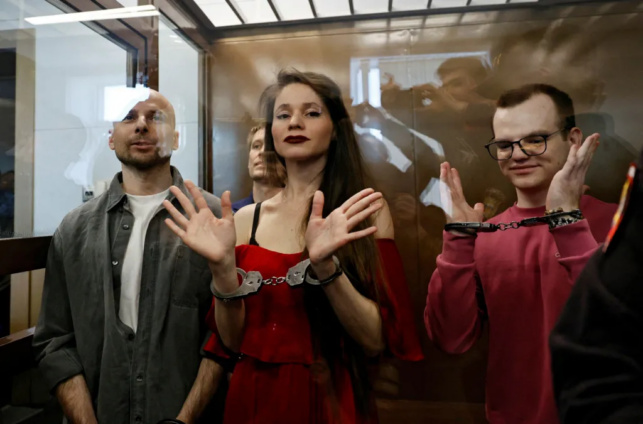
Despite the fall in Putin's domestic approval rating, Muratov maintains that the president retains firm control over the country, and fears the influence of the Federal Security Service (FSB) in shaping the nation's direction. Amid the pressures faced, Muratov emphasizes the plight of political prisoners, revealing photographs of four journalists convicted on extremism charges for their opposition to the land grab in neighboring Ukraine.
Written by urgent.news from Adom Online's reporting — not their text. Machine-written — may contain errors; check the original before relying on it.