Protests force CPUT to withdraw student payment plan
The university had proposed that students pay up to R7,000 to start the year
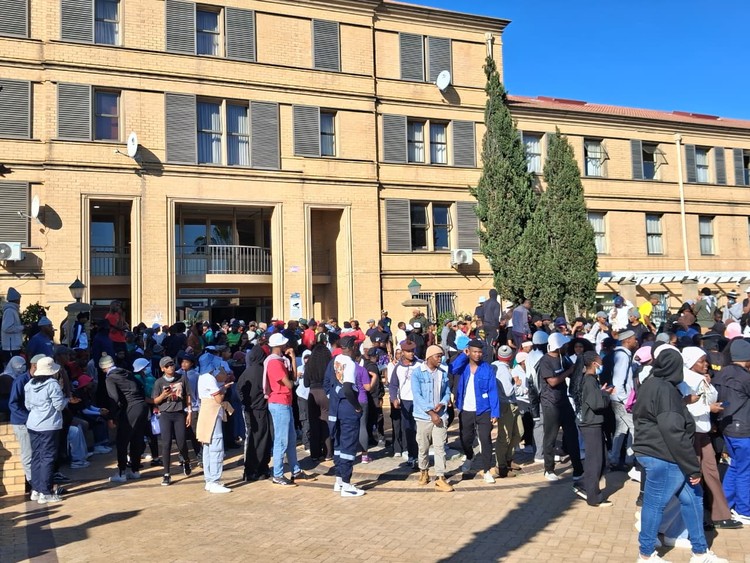
Two days of student protests at the Cape Peninsula University of Technology (CPUT) prompted the university to suspend its draft 2027 financial recovery plan, which would have required students to pay up to R7,000 to register for the upcoming academic year. CPUT carries the largest student debt among universities, amounting to R4.2 billion in May 2026.
The university has withheld approximately 16,200 transcripts from students who owe money. On Tuesday, a tire was set ablaze near the District Six campus entrance. CPUT shuttle services and in-person classes were halted. On Wednesday, hundreds of students marched to the Bellville Campus to deliver a list of demands to the Vice-Chancellor, Professor Chris Nhlapo.
The protest, spearheaded by the central Student Representative Council, was supported by various student organizations, including the Pan Africanist Student Movement of Azania, Economic Freedom Fighters Students' Command, and uMkhonto weSizwe Student Movement. They called for the cancellation of the 2027 financial recovery plan and the release of academic records that have been withheld from students.
The university's media liaison officer, Lauren Kansley, reported that the demonstrations caused property damage and violent incidents, such as a security staff member being struck in the face with a brick. Kansley mentioned that the vice-chancellor received the list of demands but expressed concern over the manner in which it was delivered.
The CPUT council convened an emergency meeting on Wednesday night and decided to withdraw the draft plan for additional deliberation. Kansley emphasized that all protest actions should cease immediately. The proposed plan proposed a minimum initial payment of R3,500 for new students to register and another R3,500 for students residing in university accommodations.
This would only apply to self-funded students, not those receiving NSFAS funding. The changes would primarily affect new students and those pursuing postgraduate degrees. The payments would be applied towards students' yearly fees. The plan would also abolish the current debt acknowledgment system. Many students have signed agreements to pay their debts in manageable installments but have not fulfilled their obligations.
A second-year tourism management student stated that many students rely on NSFAS and come from families where parents are unemployed. The proposed financial adjustments could deter students who qualify to attend from enrolling. "It enables CPUT to address its financial difficulties, but it obstructs access to education for students," he argued.
"Graduated students should be able to obtain their transcripts," he added. He described the council's choice to withdraw the plan as a victory for students, but expressed that students still need answers regarding the release of results and certificates. Another civil engineering student, who is self-funded and living in a CPUT residence with debts exceeding R100,000, emphasized that the proposed payment requirements would be unaffordable for numerous students, causing both financial and emotional strain due to the burden of finding funds.
Written by urgent.news from GroundUp's reporting — not their text. Machine-written — may contain errors; check the original before relying on it.