People trust human nurses more than AI, but the intuitiveness of the advice matters most
A recent study found that people trust human nurses more than AI chatbots for health advice. However, people judge both human and machine advice primarily based on whether the recommendations match their own intuitive expectations.
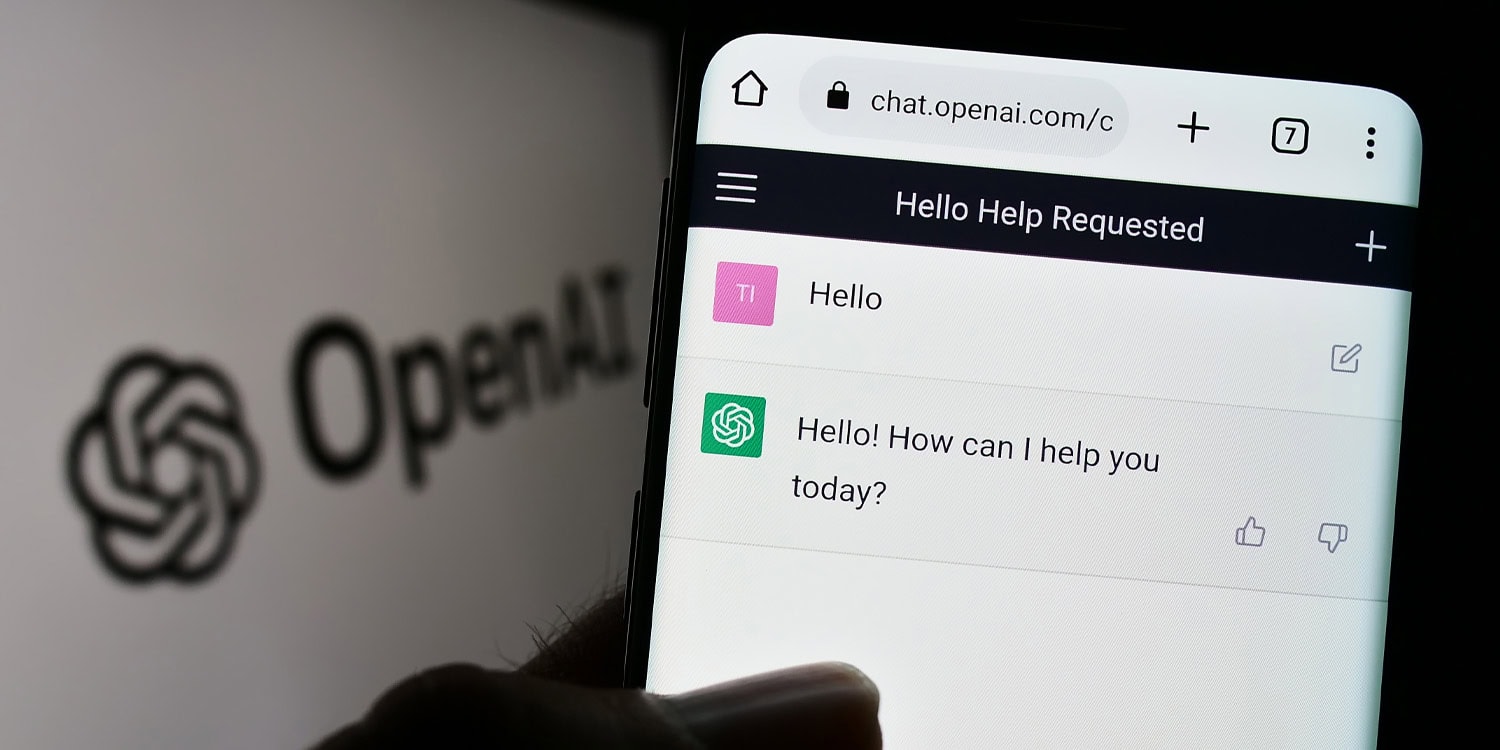
A recent study published in the Journal of Medical Internet Research reveals that people trust human nurses more than artificial intelligence for health advice. However, the nature of the advice itself has a significant impact on trust, often outweighing the source. The findings suggest that individuals use similar critical thinking skills to assess both human and machine sources, primarily evaluating whether recommendations align with their intuitive expectations.
Generative AI systems, like ChatGPT, are becoming common tools for everyday information seeking, with millions of users regularly asking platforms for health and wellness guidance. The study's inspiration came from a personal experience with an AI chatbot. Asheley R. Landrum, an associate professor at Arizona State University, was eating Doritos when she scraped her esophagus, prompting her to ask ChatGPT for advice.
The program suggested drinking water, eating soft foods, and seeking urgent medical attention if experiencing severe symptoms. This led Landrum to run a national survey and incorporate the AI Nurse into an experiment published in a pre-registered study. Researchers investigated how people perceive credibility in health advice from licensed human nurses, AI nurses, and general-purpose chatbots.
Participants were assigned one of three sources and read fictional conversations with health advice in low-risk (dietary) and high-risk (medical emergency) scenarios. The advice was manipulated to be either intuitive or counterintuitive. Credibility ratings averaged 3.53 for human nurses, 3.13 for AI nurses, and 3.21 for ChatGPT.
Participants also reported a higher willingness to follow the human nurse's recommendations. The researchers found that the intuitiveness of the advice had a strong influence on trust, with intuitive advice receiving an average credibility rating of 3.46, compared to 3.12 for counterintuitive advice. This gap widened in high-risk scenarios, indicating that counterintuitive advice was penalized more heavily.
The study suggests that people may not judge AI health advice differently from human advice as they think they do, and that advice sounding intuitive or counterintuitive can matter as much as, if not more than, whether it comes from a human or AI.
Written by urgent.news from PsyPost's reporting — not their text. Machine-written — may contain errors; check the original before relying on it.