One tower linked two Russian regiments near Kharkiv border. Ukrainian partisans say they disabled it
ATESH says damage to the tower slowed Russia’s 345th and 380th motor rifle regiments and made it harder for them to support each other.
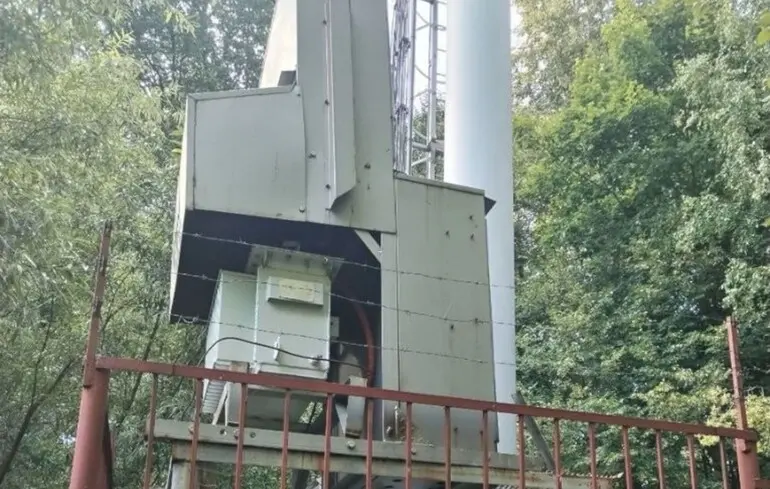
On August 13, the Ukrainian-Crimean Tatar partisan group ATESH claimed to have disabled a communications tower near Pylna, a village on the Russian border within northern Kharkiv Oblast. The damage, according to ATESH, severed connections between two Russian motor rifle regiments located in the vicinity. Pylna was among the villages occupied by Russian forces when they initiated their advance on the northern Kharkiv front in May 2024.
ESHESH, part of the broader Ukrainian resistance effort within Russian territory, frequently targets infrastructure that supports Russian operations. Moscow's forces continue to rely on such infrastructure in occupied regions for communication, supply transportation, and maintaining their defensive positions. The group alleged the disabled tower facilitated data exchange between command centers and coordinated units in the area.
The loss of this communication conduit reportedly hindered command channels and delayed the deployment of mobile units in the border zone.
ESHESH stated that the Russian 345th and 380th motor rifle regiments were particularly affected, as they operate in adjacent sectors and depend on stable communication links for effective joint operations and rapid responses. However, the group did not disclose the method used to disable the tower or the duration of the disruption.
The claims of ATESH's sabotage, including the tower attack, the electric locomotive incident near Voronezh, and the damage to power and rail equipment near Novomoskovsk Azot plant, have not been independently verified. These incidents are part of a broader campaign by Ukrainian resistance forces against Russian supply lines and infrastructure.
The group's activities also include intelligence gathering inside Russian forces. In July, ATESH reported an agent's account of a Ukrainian strike on five military fuel trucks in occupied Luhansk.
Overall, these reports suggest a concerted effort by Ukrainian resistance groups to weaken Russia's rear as other factions strive to maintain Ukrainian identity and resist occupation.
Written by urgent.news from Euromaidan Press's reporting — not their text. Machine-written — may contain errors; check the original before relying on it.