Oil drops on lower demand forecasts despite deadlock in US-Iran talks
BEIJING: Oil prices fell more than $1 on Thursday as forecasters loweredglobal oil demand projections for 2026 because of the disruptions from the US-Israeli war on Iran, though the supply constraints from the conflict provided a floor for the market. Brent futures dropped $1.29, or 1.5%, at $87.69 a barrel by 0100 GMT. US West Texas Intermediate (WTI) crude fell $1.30, or 1.6%, to $81.97. The…
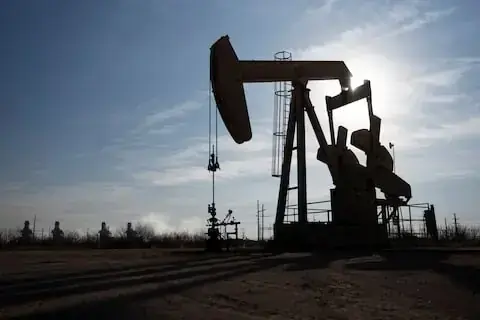
Oil prices plummeted over $1 on Thursday, as global demand projections for 2026 were slashed by forecasters due to the US-Israeli war on Iran. Despite supply constraints from the conflict creating a market floor, Brent futures slid $1.29, or 1.5%, to $87.69 a barrel, while US West Texas Intermediate crude fell $1.30, or 1.6%, to $81.97.
The Organisation of Petroleum Exporting Countries revised its 2026 global oil demand growth forecast to 580,000 barrels per day, down from previous estimates. Simultaneously, the International Energy Agency predicted a 1.6 million barrel daily decline in consumption this year, a significant drop from a previous 1 million barrels per day forecast, owing to restricted fuel supplies and soaring prices from the US-Israeli war.
Additionally, a surprise surge in US commercial crude oil inventories added to the downward pressure, with the Energy Information Administration reporting a record weekly build of 17.4 million barrels to 424.4 million barrels. This marked the largest increase since January 2023, as exports plummeted. Crude inventories topped 424.4 million barrels, the highest level since June 5, exceeding analysts' expectations of a 1.4 million-barrel draw.
However, deadlocked talks between Iran and the US aimed at ending the Gulf war kept prices elevated. An Iranian source revealed on Wednesday that no progress had been made in negotiations to revive the interim deal signed in June and outline a timeline for its implementation. Meanwhile, attacks on shipping in the Strait of Hormuz and Bab el-Mandeb Strait, two vital export routes for Middle Eastern oil and gas, underscored the ongoing risks to crude supply from the region.
Analysts at Haitong Futures warned that the deteriorating safety situation in these waters forces vessels to deactivate their signals, reducing transparency and complicating market assessments of actual supply levels.
Written by urgent.news from Business Recorder's reporting — not their text. Machine-written — may contain errors; check the original before relying on it.