NASA astronaut Mike Fincke retires after 30 years at the space agency
NASA astronaut Mike Fincke has retired from NASA after 30 years of public service, leaving behind a legacy of accomplishments and leadership including two-time commander of the International Space Station and Chief of the Astronaut Office’s Commercial Crew Branch.
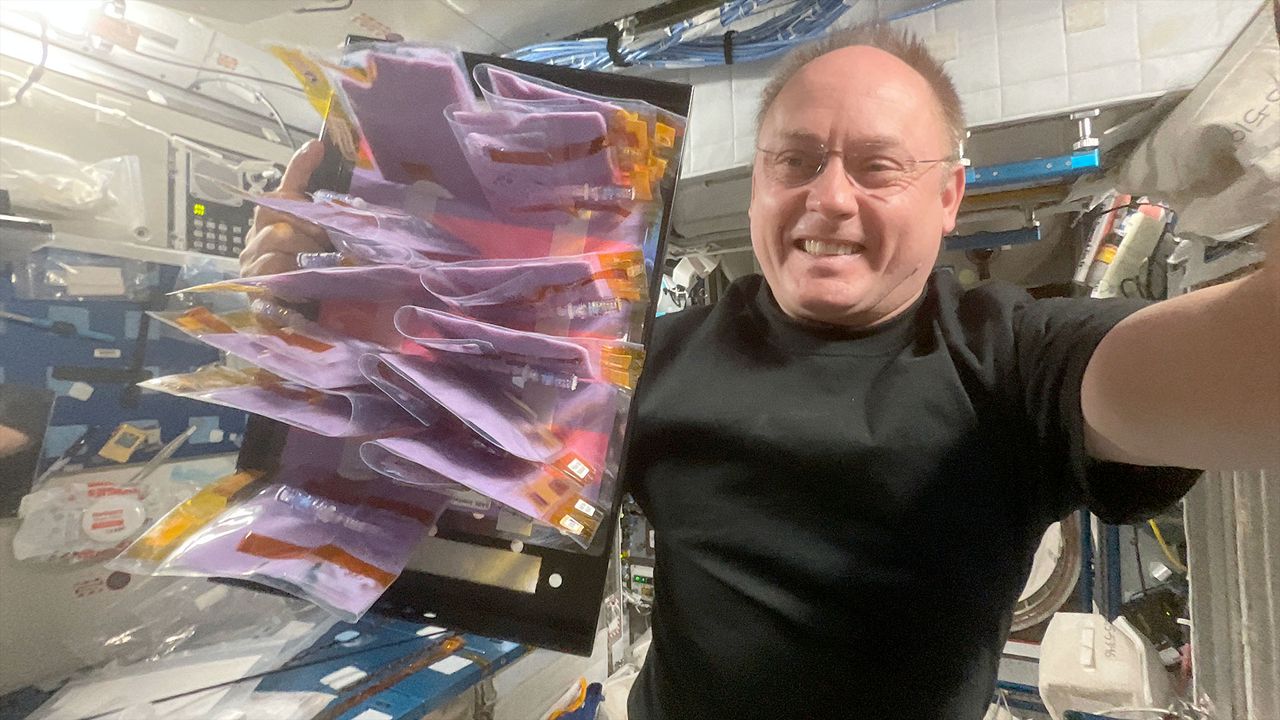
NASA astronaut Mike Fincke has announced his retirement after a 30-year career with the space agency. Fincke, who served as the fourth-most flown astronaut in NASA's history, accumulated a total of 549 days in space over four separate missions. He performed nine spacewalks and held the positions of commander for the International Space Station (ISS) twice.
Fincke's retirement comes after he piloted SpaceX's Crew-11 mission to the ISS, serving as the Expedition 74 commander from August 2025 to January 2026. Before joining NASA in 1996, Fincke earned degrees in aeronautics and astronautics from MIT, as well as master's degrees in planetary geology from the University of Houston-Clear Lake.
He also served in the U.S. Air Force and completed astronaut-candidate training before being assigned to the Astronaut Office Station Operations Branch's Crew Test Support Team in Russia. During his time at NASA, Fincke served in various roles, including crew test support, ISS commander, and chief of the Astronaut Office's Commercial Crew Branch.
Fincke's final mission, Crew-11, was cut short due to a medical issue, which he later revealed was a temporary inability to speak. Despite the unexpected turn of events, Fincke praised his time at NASA and expressed his commitment to supporting future space exploration.
Written by urgent.news from Space.com's reporting — not their text. Machine-written — may contain errors; check the original before relying on it.