Mark Zuckerberg manifesto sketches out Meta’s ambitions for world-changing AI technology
Meta Platforms has released a new AI model for developers, emphasising open-source access
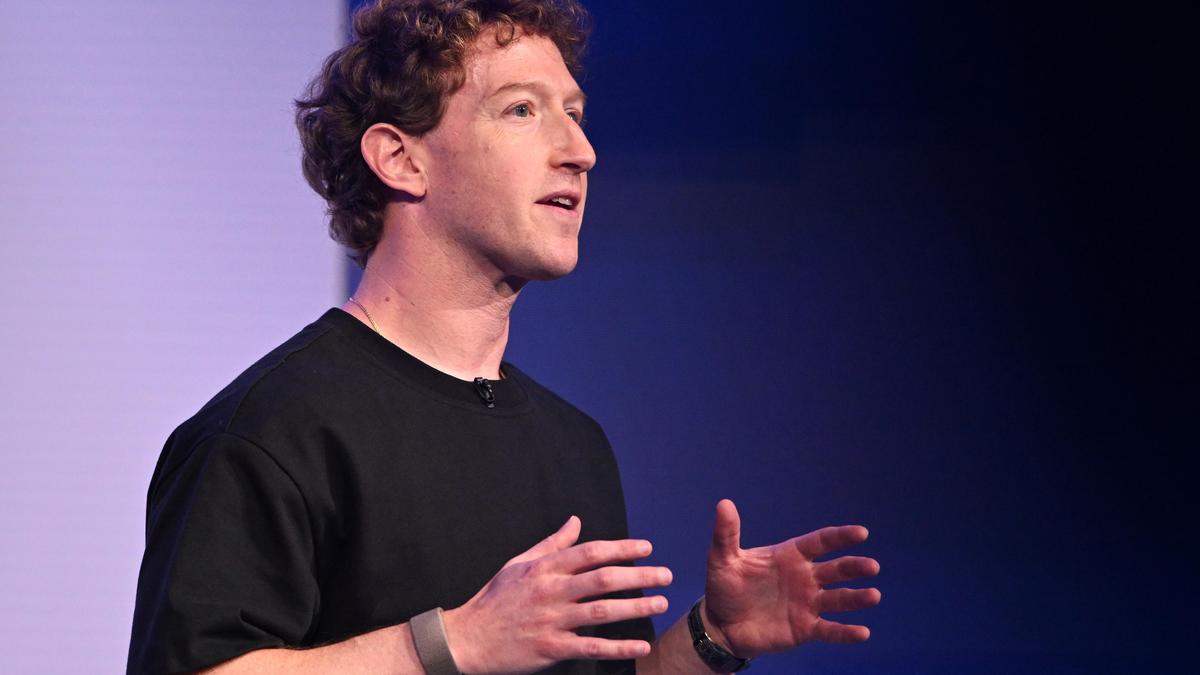
Meta Platforms CEO Mark Zuckerberg presented his vision for the future of artificial intelligence in a 6,500-word essay released online. The ambitious plan envisions a world where everyone possesses their own, all-knowing AI agent designed to enhance various aspects of their lives. Zuckerberg detailed these aspirations in his essay, also advocating for open-source AI technology, wherein developers can access, examine, modify, and build upon key components.
Critics have dismissed the plan as overly optimistic and potentially dangerous, raising concerns about AI's potential to replace humans and disempower individuals.
Zuckerberg's company is currently working towards an era where individuals can create new businesses, receive advanced tutoring, and receive personalized lifestyle advice. He wrote that his 8-year-old daughter already codes her ideas and quickly produces videos. In a document criticized for its grandeur, Zuckerberg mentioned that everyone will soon have "invention superpowers."
The CEO warned of the risks posed by concentrating advanced AI control among a select few, arguing that it would lead to unfavorable outcomes for the broader population.
On Monday, Meta announced the release of a new open-source AI model, Muse Glimmer, which can run on personal computers. The company also promised to provide access to a more powerful AI model, Muse Spark 1.2. Meta, like other tech companies, develops and utilizes AI models to power platforms such as Instagram and Facebook. The Menlo Park, California-based company also makes these models accessible to developers who can create their own apps and features.
Critics, such as Anthony Aguirre, president and CEO of the AI safety nonprofit Future of Life Institute, have expressed concerns about the pace of AI development and Meta's approach. Aguirre questioned Meta's ability to control an exponentially smarter, faster, and more capable AI system. He called for a pause on advanced AI development and urged governments to steer the technology towards a pro-human path before it's too late.
Zuckerberg defended the open-source approach, arguing that it is essential to ensure advanced AI is broadly distributed and benefits billions of people equitably. He acknowledged that most other labs focus on building AI for companies, governments, or institutions, which could lead to the concentration of power in larger institutions.
Zuckerberg also touched on policy recommendations to keep the United States ahead of rivals, particularly China. He emphasized the importance of energy capacity and infrastructure development to maintain competitiveness. The CEO called for reconsidering the practice of "distillation," which involves training a less capable model on the outputs of a stronger one.
Distillation has been accused of being harmful, particularly by China's DeepSeek, but Zuckerberg argued that it is crucial to maintain the principle that one can learn from anything observable. He emphasized that the U.S. cannot lead without embracing this practice.
Written by urgent.news from The Hindu - Sci-Tech's reporting — not their text. Machine-written — may contain errors; check the original before relying on it.