March of Dimes: Maternity care deserts persist, Medicaid cuts threaten to curb access further
A number of factors contribute to access, including the availability of OB clinicians, insurance coverage and access to birthing facilities.
The March of Dimes latest report reveals that one in three U.S. counties are deemed maternity care deserts, a figure virtually unchanged since 2016. These deserts predominantly exist in rural regions, where women of reproductive age must travel three times farther, on average, to access labor and delivery services. Nearly two and a half million women face this challenge, along with an additional 3.4 million living in counties with limited access.
A maternity care desert is defined as an area with no birthing facilities or OB clinicians. Although the overall number of deserts has remained constant, a significant 20% change in access status has occurred since 2016. This dynamic situation indicates fluctuating accessibility within communities.
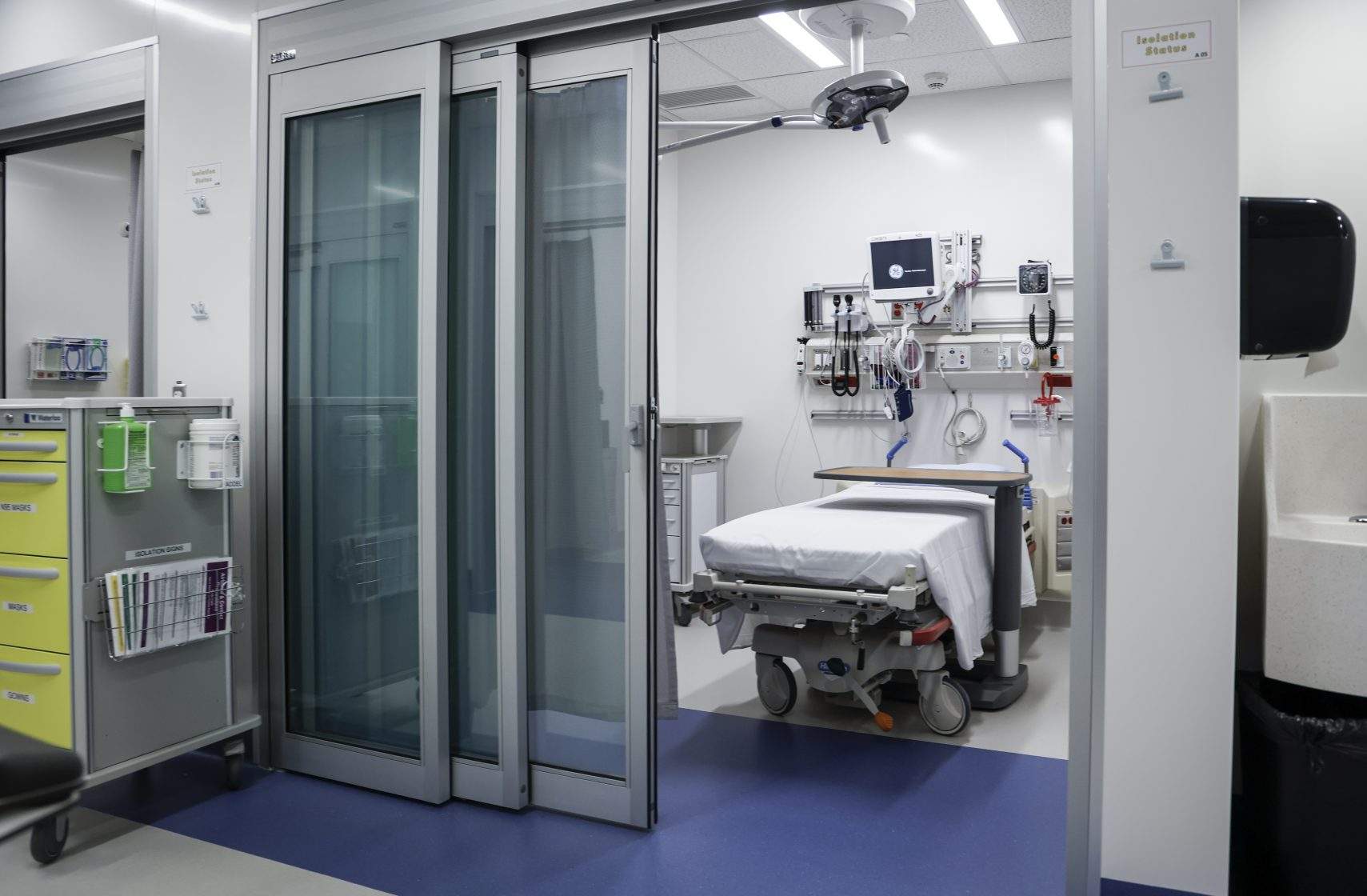
Half of U.S. counties lack hospitals with labor and delivery services, and at least 96 such units have closed since 2024 alone. Mark Simon, chief medical officer of OB Hospitalist Group, emphasized the importance of preserving labor and delivery units and birth centers in these communities.
Texas experienced the most significant expansion of maternity care deserts (16 additional counties), while Iowa and Nebraska saw declines (five counties each). Conversely, Louisiana saw gains (six counties moved out of care desert status), along with Nevada and Montana (two and five counties, respectively).
The shortage of OB clinicians is attributed to recruitment and retention difficulties, med student preferences for rural practice, and loan repayment programs. Family physicians, though comprising less than 6% of the OB workforce, account for over a quarter of rural clinicians due to their involvement in OB care. However, their limited opportunities for OB training and admitting privileges at hospitals hinder their ability to support labor and delivery.
Midwives, who can safely manage low-risk pregnancies and deliveries, have seen an increase in scope of practice in 16 states, with 11.6% of hospital births attended by midwives in 2024. Certified nurse midwives play a crucial role in reducing C-section rates and improving patient satisfaction.
Insurance access is essential, as nearly all states have extended postpartum Medicaid coverage through 12 months. However, Medicaid cuts in the One Big Beautiful Bill Act could reverse these gains, potentially limiting coverage and reimbursement rates for hospitals, particularly those serving Medicaid patients in rural areas.
Potential solutions include allowing standby perinatal services in rural regions, leveraging technology like telehealth and RPM, and expanding broadband access accompanied by digital literacy programs. Investment in the Rural Health Transformation Fund offers a promising avenue for scaling digital approaches, provided reimbursement parity with commercial plans is achieved. Clinicians also need expanded interstate licensing to practice across state lines.
Written by urgent.news from Fierce Healthcare's reporting — not their text. Machine-written — may contain errors; check the original before relying on it.
Also reported by 1 other outlet
- Trump administration cuts Medicaid funding for youth gender-affirming care healthcaredive.com