Male circumcision just after birth doesn’t raise autism risk
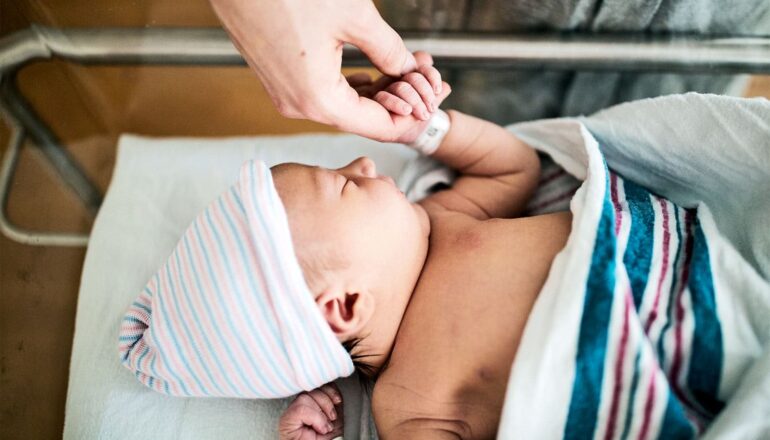
A new study published in JAMA Pediatrics has found no link between male circumcision just after birth and an increased risk of autism in boys. The research, which analyzed data from the ECHO (Environmental influences on Child Health Outcomes) Cohort study, examined nearly 3,000 boys followed from birth into childhood. The study found that boys who were circumcised immediately after birth did not have a higher risk of autism compared to those who were not circumcised.
Senior author Monica McGrath, from the Johns Hopkins Bloomberg School of Public Health, stated that the findings may help alleviate concerns among parents who have been worried about a potential circumcision-autism connection. The study included 2,771 boys from 14 different ECHO sites across the U.S., with 66% (1,840) having been circumcised before leaving the maternity hospital and about 7% (192) diagnosed with autism at a mean age of 3.8 years.
After adjusting for potential confounding factors, such as parental age and family history of autism, no significant association between circumcision and autism was found.
The research builds upon two observational studies published over a decade ago, which suggested a possible link between circumcision and autism. However, the new study's findings contradict this earlier research. Public discussion in 2022 around a potential circumcision-autism link prompted McGrath and her colleagues to perform their own analysis using the available data from the ECHO Cohort study.
While the study found no association between circumcision and autism, the researchers emphasize the importance of evaluating the safety of common medical procedures. They also note that more investigation is needed to explain the rise in autism diagnoses among children in the U.S., as the number of diagnoses has increased dramatically in recent decades, from roughly one child in 150 in 2000 to one child in 31 among 8-year-olds in 2022. The study was supported by the National Institutes of Health.
Written by urgent.news from Futurity's reporting — not their text. Machine-written — may contain errors; check the original before relying on it.