Kuril islands: Strategic chain at heart of Russia-Japan dispute
CALLED the Kuril islands by Russia and the Northern Territories by Japan, the volcanic islands lay at the heart of a territorial feud that has prevented the two countries from formally ending World War II.
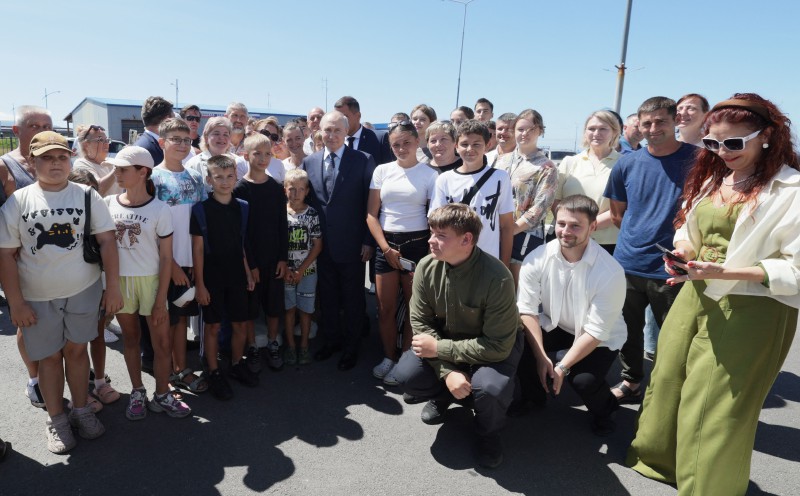
The Kuril islands, known as the Kuril islands in Russia and the Northern Territories in Japan, are a focal point in the ongoing territorial dispute between the two nations. These volcanic islands, located at the heart of a long-standing conflict that has impeded the formal conclusion of World War II, have recently reignited tensions following Russia's first visit to the islands by President Vladimir Putin.
This visit prompted protests from Japan, who consider four of the islands as part of Hokkaido prefecture, claiming they are "illegally occupied" by Russia.
Located just off the coast of Japan's Hokkaido, the Kuril archipelago stretches for 1,300 kilometers and consists of 56 islands, separating the Sea of Okhotsk from the Pacific Ocean. The four islands Japan claims are the southernmost in the chain. Administratively, Russia governs the islands as part of the Sakhalin region, while Japan maintains they should be returned to Hokkaido.
Historically, Russia laid claim to the islands in 1786 following its discovery by Russian explorers, a claim solidified in subsequent treaties. In 1855, Russia and Japan signed a treaty establishing the border just north of the four islands closest to Japan. However, Japan reacquired control over the southern half of the islands during its victory in the Russo-Japanese War in 1905. Following World War II, Soviet forces invaded the islands, and Russia's subsequent annexation has made formal peace talks with Japan difficult.
The strategic value of the Kuril islands is substantial, despite their small population. Rich in fish stocks and mineral deposits, including rhenium, which is crucial for supersonic aircraft production, control over the islands provides Russia with year-round access to the Pacific Ocean for its Pacific Fleet in Vladivostok. Russia has established military bases and missile systems on the islands.
Tensions have escalated following Russia's 2022 invasion of Ukraine, with Japan responding to Putin's visit to the islands by reaffirming its stance that the islands' return to Japan is an "unacceptable" obstacle to improving relations.
Written by urgent.news from New Straits Times's reporting — not their text. Machine-written — may contain errors; check the original before relying on it.