Kommentar: Superabschreibungen – Die große Investitionsverweigerung
Friedrich Merz hatte die Steueranreize schön verpackt. Der Kanzler versah sie mit dem Etikett „Investitionsbooster“, doch die Wirtschaft möchte sie nicht auspacken – aus mehreren Gründen.
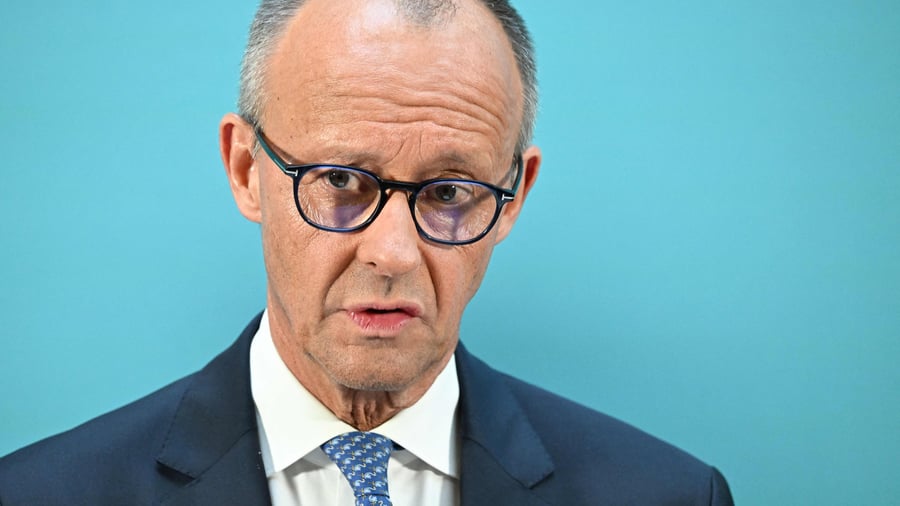
Superabschreibungen were touted as a boon for investment by Chancellor Friedrich Merz (CDU) during the early stages of his administration. The new government branded them as "Investment boosters" and permitted companies starting from 2025 to deduct up to 30% of expenses for machinery or IT hardware in the first year of acquisition, and the same in the second and third years.
Economists were elated. However, after a year, it has become clear that entrepreneurs are not taking up these packages. The level of equipment investments at the start of 2026 remains the same as in 2013, indicating no growth stimulus. Yet, why do tax incentives alone fail to encourage more investment? Part of the reason lies in factors beyond the control of the federal government, such as the trade conflict with US President Donald Trump or the Iran war.
In the context of the uncertain geopolitical landscape, entrepreneurs are hesitant to make large purchases. On the other hand, it is due to well-known issues: rising energy prices, bureaucracy, high labor surcharges, and the high tax burden compared to international standards. The reduction in corporate tax rate will only take effect in 2028, and the tax reform for income tax might even lead to many entrepreneurs paying more.
Written by urgent.news from Handelsblatt's reporting — not their text. Machine-written — may contain errors; check the original before relying on it.