JAK Inhibitor Might Be the Most Effective One Yet for Severe Alopecia
(MedPage Today) -- The JAK inhibitor upadacitinib (Rinvoq) dramatically improved hair regrowth for patients with severe alopecia areata in two parallel phase III trials, with results that appeared better than previously seen among the class of...
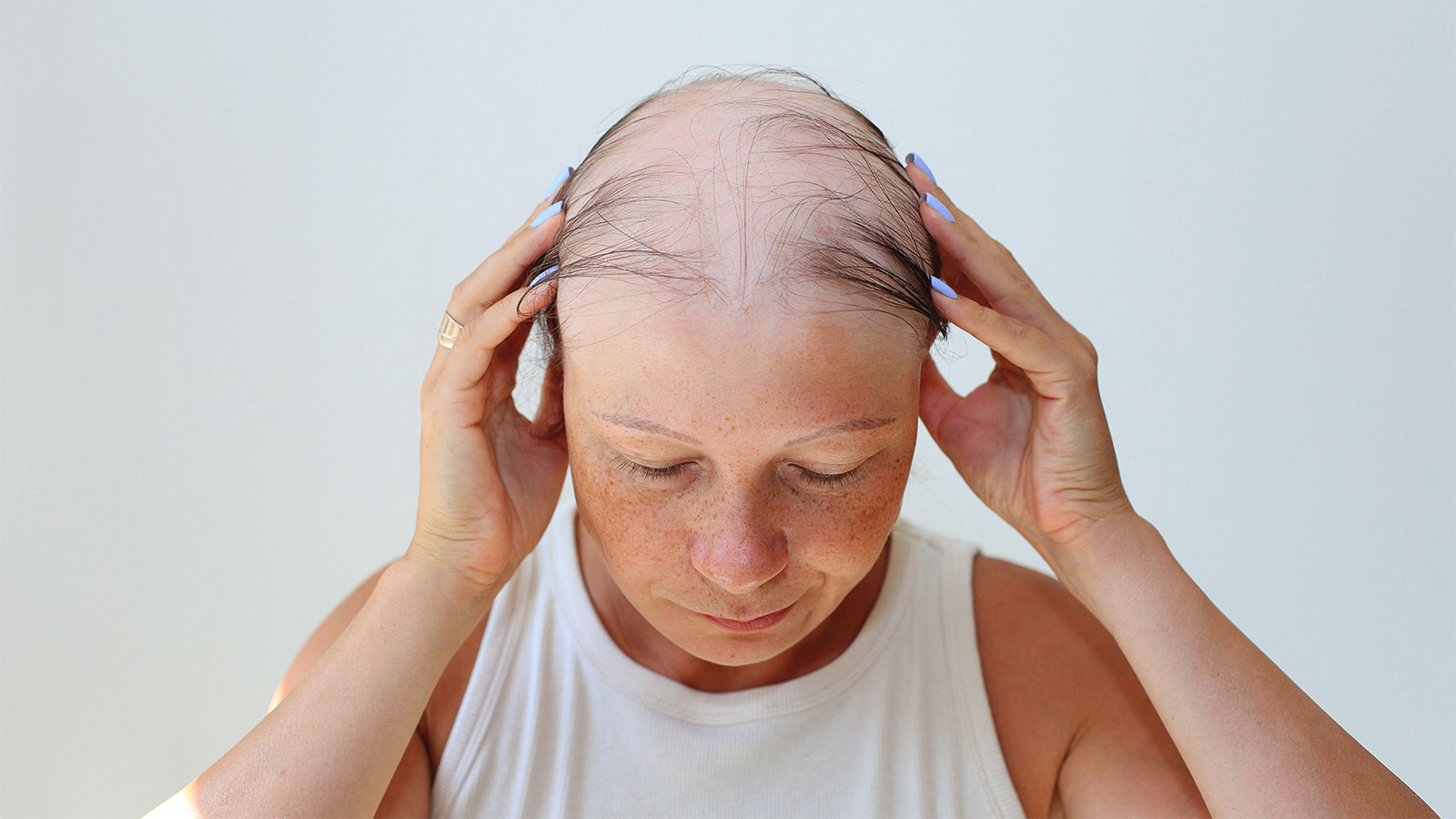
Two parallel phase III trials revealed that the JAK inhibitor upadacitinib (Rinvoq) significantly boosted hair regrowth in patients with severe alopecia areata, surpassing the results previously seen in the JAK inhibitor class. Involving 1,399 adults and adolescents averaging 84% scalp hair loss, the drug heightened the percentage of patients with at least 80% scalp hair coverage by 24 weeks.
The 15-mg daily dose led to 45.2% and 44.6% improvements in the UP-AA1 and UP-AA2 trials, respectively, while the 30-mg daily dose achieved 55% and 54.3% improvements. These results outperformed placebo at 1.5% and 3.4%, respectively (all P < 0.001).
Moreover, the drug met secondary endpoints such as complete scalp hair regrowth, improvements in eyebrow and eyelash hair, and health-related quality-of-life measures. Lead researcher Dr. Arash Mostaghimi and colleagues published these findings in JAMA Dermatology. Noting the rapid and profound response, the team believes upadacitinib could become a valuable treatment option for patients with severe alopecia areata.
Currently approved treatments for alopecia areata have shown that no more than 35% of patients achieve the primary efficacy endpoint of 20% or less scalp hair loss. This presents a clear unmet need for additional and improved systemic therapies. Dermatologist Dr. Brittany Craiglow, who wasn't involved in the trials, expressed excitement about these findings, emphasizing that even though JAK inhibitors have revolutionized alopecia areata treatment, there are still patients for whom existing treatments are ineffective.
Given that upadacitinib has already been approved for moderate-to-severe atopic dermatitis since early 2022, dermatologists may find it easier to prescribe for alopecia areata due to familiarity with the drug, its safety monitoring, and management considerations.
Written by urgent.news from MedPage Today's reporting — not their text. Machine-written — may contain errors; check the original before relying on it.