I’ve been writing about fitness trackers for a decade — 10 years later, they are still falling short for women
Despite making meaningful strides with things like period tracking, fitness trackers and smart watches are still not women. Here's why.
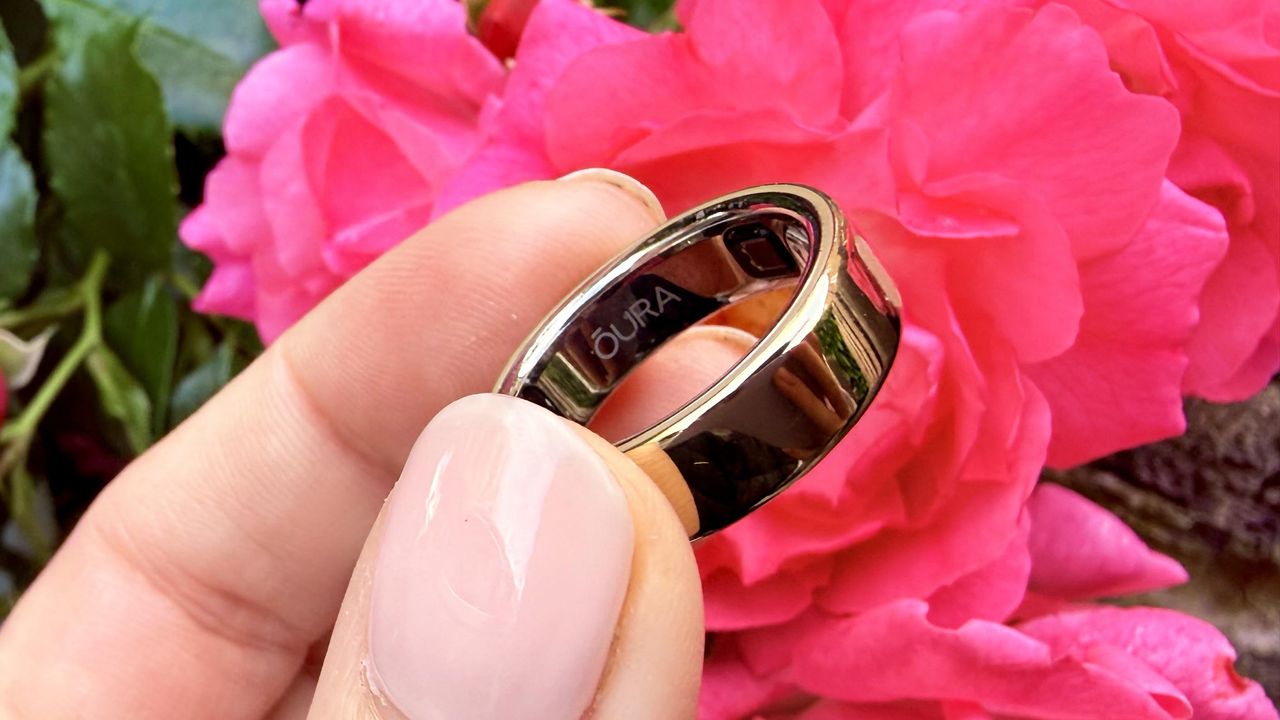
For a decade, the author has been reporting on fitness trackers, but in 2023, they discovered that these devices were still struggling to accurately track women's menstrual cycles. Fitbit was the first major company to add female health tracking to its app in 2018, followed by Apple and Garmin. However, the author notes that even with these advancements, there is still significant room for improvement.
The core metrics of most fitness trackers are based on male physiology, which can lead to inaccuracies for women due to their more complex hormonal cycles. While some trackers can predict ovulation, they often fail to provide guidance on training or recovery based on where the user is in their cycle. Additionally, period tracking is often seen as a separate feature and not integrated into the broader health tracking offered by these devices.
The author also highlights the issue of bulky and uncomfortable smartwatches, which can negatively impact the accuracy of optical sensors used for heart rate and SpO2 measurements. The author expresses hope that in the future, fitness trackers will better understand and cater to the unique needs of women, such as accommodating hormonal changes during pregnancy and postpartum recovery.
Written by urgent.news from Tom's Guide's reporting — not their text. Machine-written — may contain errors; check the original before relying on it.