Iran blockade: US Navy redirects 4 more ships near Hormuz as Tehran's oil lifeline chokes
Four more Iran-linked ships were blocked or redirected by the US Central Command on Wednesday, as American forces continue to enforce the “steel wall” naval blockade against Iran. This brings the total of ship redirections to 59 commercial vessels, 3 “disabled”, and 2 boarded as of August 12, 2026. The previous day’s figures (August 11) stood at 55 redirected, 3 disabled, and 2 boarded,…
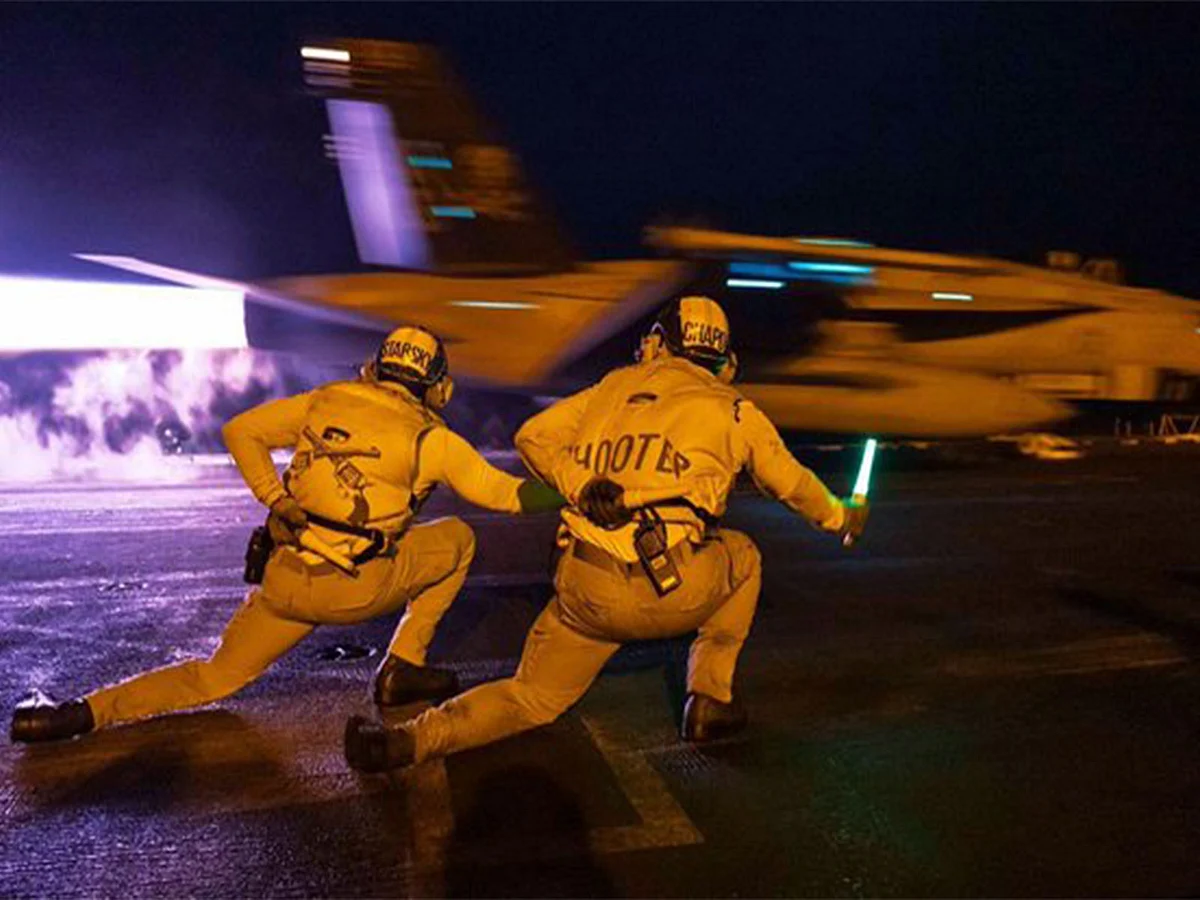
The United States Central Command (CentCom) has redirected four additional Iranian-linked ships or vessels near the strategic Strait of Hormuz, as part of an ongoing naval blockade enforcement. This brings the total number of ship redirections carried out by American forces to 59, with 3 vessels disabled and 2 boarded since August 12, 2026. The previous day's figures stood at 55 redirected, 3 disabled, and 2 boarded.
The primary objective of the blockade is to target vessels attempting to enter or leave Iranian ports and coastal areas. CentCom maintains that the Strait of Hormuz itself remains open for neutral transit to or from non-Iranian destinations. US forces are assisting commercial traffic through the waterway while strictly enforcing restrictions on Iran-bound or Iran-origin shipping.
The current phase of the blockade was reimposed around mid-July 2026 following the collapse of a short-lived ceasefire/MOU period amid renewed Iranian threats and attacks on commercial shipping. Operations involve issuing warnings, redirecting ships, disabling propulsion/steering systems through missile strikes, and boarding efforts when necessary.
The blockade significantly restricts Iran's ability to export oil and receive sea-based imports, which is a core revenue stream for the nation. Iranian crude exports have been heavily constrained under the "steel wall," exacerbating economic pressure from existing sanctions and the broader conflict. Tehran and the Islamic Revolutionary Guard Corps (IRGC) continue to assert control over the Strait, dismissing US claims of it being open, which CentCom labels as false.
The prolonged enforcement of the blockade raises the cost of any Iranian attempts to challenge it, risks further isolation of Iranian ports, and increases domestic economic strain. Meanwhile, Iran retains asymmetric options such as threats, attempted attacks on slow-moving commercial vessels, or broader regional actions, which have previously contributed to reduced overall Hormuz traffic and increased global oil market volatility.
Written by urgent.news from Gulf News's reporting — not their text. Machine-written — may contain errors; check the original before relying on it.