INSIDE STORY: How Eskom was turned around, told by those who steered it
The three men who righted the nation’s power utility were all on stage at a Unisa event and told the tale of an unlikely turnaround in their own words.
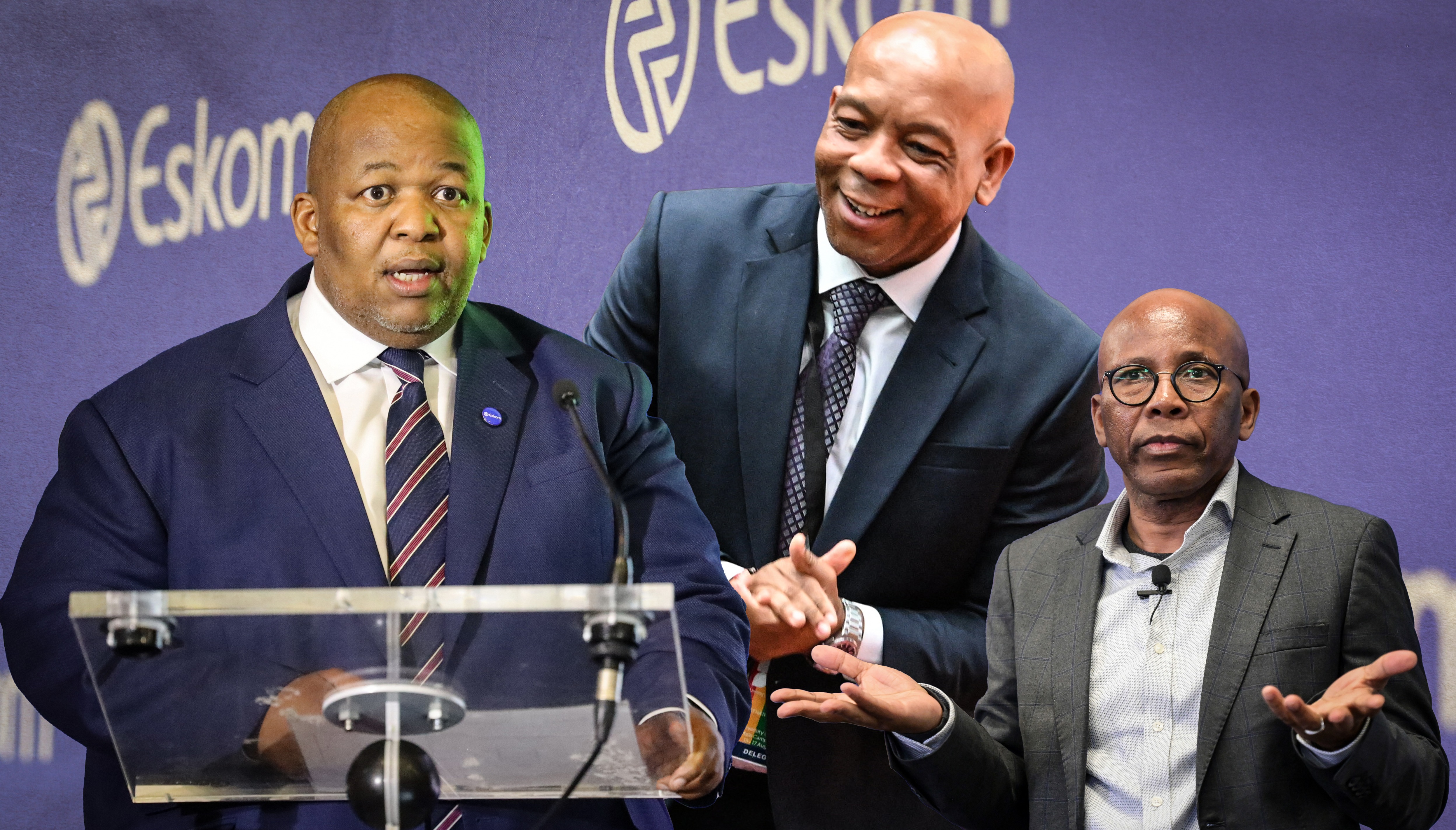
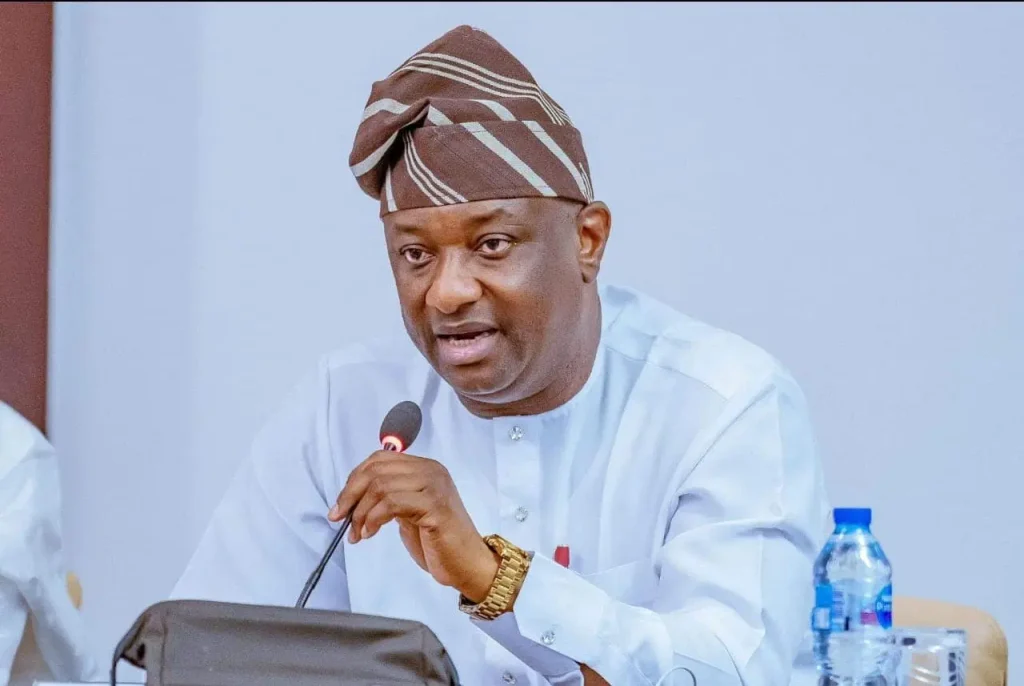
The story of Eskom's turnaround was recounted by the three men who played a crucial role in steering the power utility back on course. Minister of Energy and Electricity, Kgosientsho Ramokgopa, dedicated much of his keynote speech at a Unisa event to detailing the history of Eskom. He explained that the power utility was originally built by private industrialists to maximize efficiency, rather than being a public good.
Ramokgopa then traced other key events in Eskom's history, including the Transvaal Act of 1910, Hendrik van der Bijl's establishment of the utility in 1923, the 1973 oil crisis, the 1983 De Villiers Commission, and a reduction in staff from 66,000 in 1985 to 46,000 in 1991.
In 1998, the democratic government released a White Paper on Energy advocating for unbundling and privatization, but this proposal was never implemented due to political resistance from progressive forces. Crucially, during subsequent reforms, the government "abandoned the idea of public interest" in Eskom, creating a complex policy mismatch where the company was expected to act as a commercial competitor while still bearing social obligations.
This led to detached leadership at Eskom, with the board becoming disconnected from the rest of the business and management sidelining highly competent engineers.
Eskom board chair Mteto Nyati described the operational stress, weakened controls, and dysfunctional culture that plagued the utility. He recounted finding Bheki Nxumalo, former chief of generation, in "Siberia" - a place where people were forgotten - after his disagreement with the board's decisions. Nyati emphasized that the turnaround was driven by the workforce itself and that the board brought Nxumalo back from organizational exile to lead the plan.
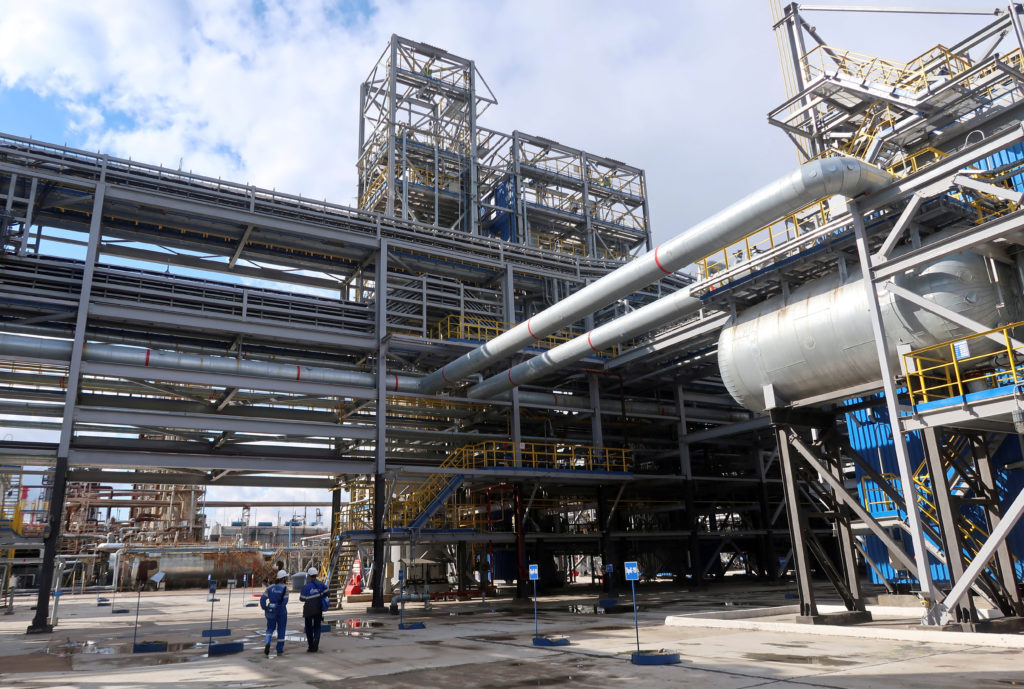
Group CEO Dan Marokane explained how Eskom had to withstand public skepticism to execute their plan, including taking a high-risk decision to take massive capacity offline for deep maintenance to secure base load reliability and enable Koeberg nuclear units to run continuously.
Written by urgent.news from Daily Maverick's reporting — not their text. Machine-written — may contain errors; check the original before relying on it.