I went hands-on with the Pixel 11, and Google’s cheapest flagship finally has it all
The Pixel 11 brings three useful cameras, 256GB of storage, faster Pixelsnap charging, and Google's newest software without making the equivalent configuration more expensive.
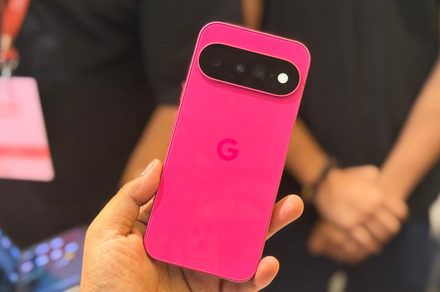
The Pixel 11 enters the market as Google's most competitive flagship to date, though it still lags behind the more expensive Pro models in display and camera hardware. Despite retaining the familiar 6.3-inch form factor, Google has made thoughtful refinements across the board. The device maintains a 6.3-inch display, which remains unchanged from the Pixel 10, providing a sharp, responsive, and bright viewing experience.
At 197 grams, the Pixel 11 is lighter than its predecessor, which weighed 204 grams, while still maintaining the same thickness and slightly increased battery capacity. The Pixel 11 starts with 256GB and 12GB of RAM, dropping the previous 128GB option. The base model now includes a 5x telephoto lens, offering a range of optical zoom options from 0.6x to 10x.
Google has also upgraded the main camera, making it 56% more light-sensitive and larger than its predecessor. The Pixel 11 runs on Android 17 and will receive seven years of OS, security, and Pixel updates, giving users early access to Google's latest Android and Gemini features. Creator Suite, a new addition, includes a built-in teleprompter and other video tools, enhancing the camera experience.
The device supports up to 25W magnetic wireless charging, Qi2-certified, and addresses one of the limitations of the previous Pixel models. While the Pixel 11 may not be groundbreaking, it provides first access to Google's innovative software features and advancements in hardware.
Written by urgent.news from Digital Trends's reporting — not their text. Machine-written — may contain errors; check the original before relying on it.