How money actually works in American elections
The 2026 midterm cycle is projected to be the most expensive election cycle in US history, with candidates across the board raising money at a record pace. And voters are taking notice: Big-donor groups tied to issues like Israel policy, AI, and crypto have become major flashpoints in primary races in both parties. Campaign spending […]
The 2026 midterm cycle is expected to be the costliest in U.S. history, with candidates raising unprecedented amounts of money. Recent primary races have drawn attention from big donor groups involved in issues like Israel policy, artificial intelligence, and cryptocurrency. However, campaign spending alone does not guarantee victory.
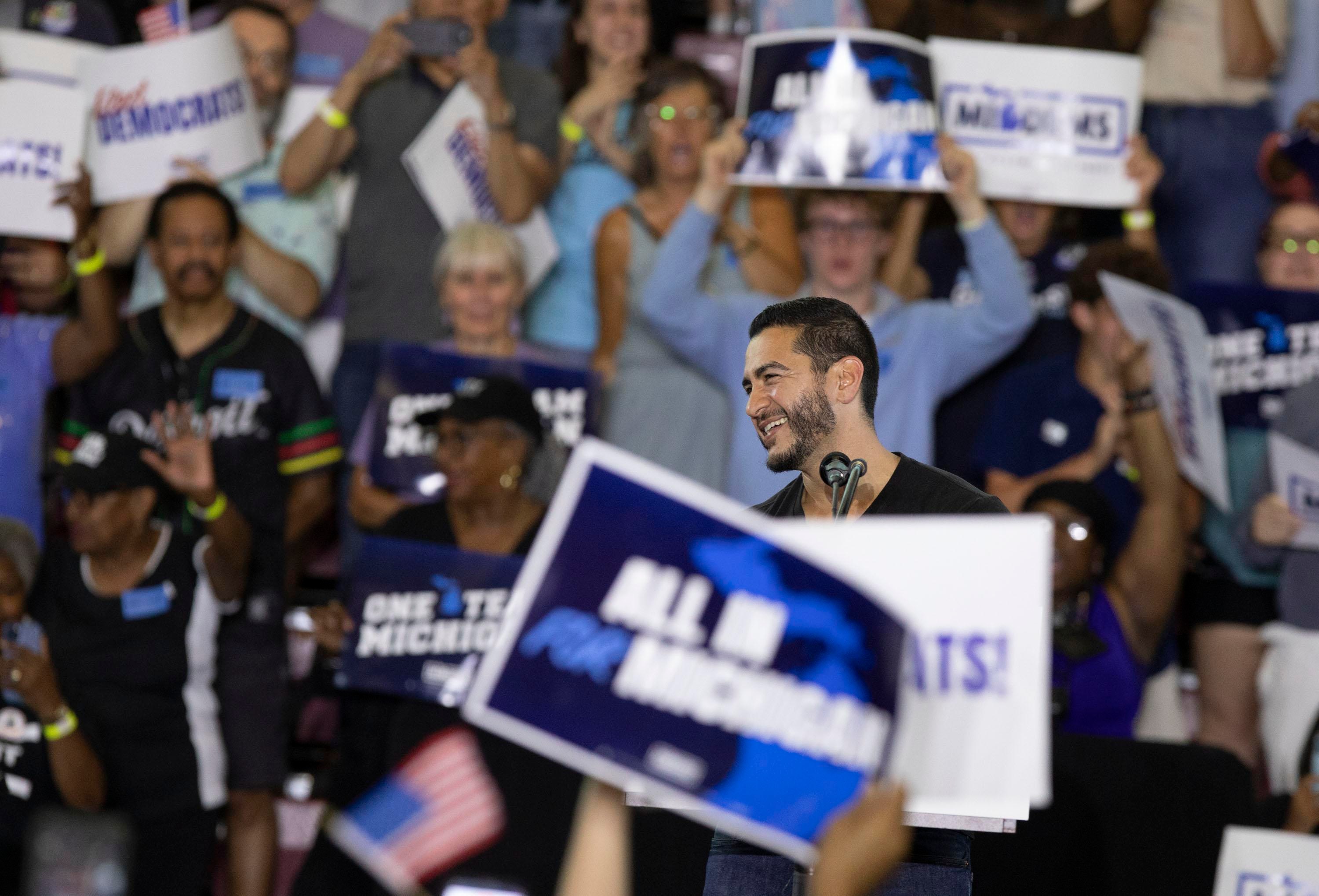
In the recent Democratic Senate primary in Michigan, despite being heavily outspent by outside groups, Abdul El-Sayed managed to win the nomination. Similarly, billionaire Tom Steyer spent over $200 million of his own money on his gubernatorial campaign in California but lost. The recent Supreme Court decision allowing parties to spend more on their candidates has further complicated the campaign finance landscape.
Political scientists, including Danielle M. Thomsen, a professor at the University of California Irvine, have been studying the role of money in elections. Their research suggests that while money plays a significant role, especially in early stages of the primary process, it is not the sole determining factor. Candidates who manage to secure substantial early fundraising often appear more viable and relevant, which can positively influence public perception and media coverage.
The consensus among political scientists is that fundraising is largely a signal of a candidate's viability and strength. However, there are differing views on whether money primarily serves as a signal or funds material aspects of the campaign, such as advertising, staff, and infrastructure. Some studies indicate that candidates who self-fund are more likely to lose, as they typically raise smaller early donations compared to those who supplement their funds with contributions from others, particularly large-dollar donations.
In summary, while money is an important factor in American elections, its impact is often amplified when combined with other signals of a candidate's strength and viability.
Written by urgent.news from Vox's reporting — not their text. Machine-written — may contain errors; check the original before relying on it.