How Could the Rise of Progressive Democrats Impact US China Policy?
A divide over China, although less pronounced than the divide over Israel, has become increasingly visible among Democrats as progressives have risen within the party.
A surge in progressive Democratic candidates has been sweeping across the country ahead of the 2022 midterm elections, with foreign policy taking center stage. The Israel-Palestine conflict has emerged as a defining issue for Democrats, as progressive candidates align themselves with the Palestinian cause in opposition to AIPAC-backed moderates.
This ideological shift could significantly influence U.S. China policy, as progressives view global issues through the lens of structural inequality and opposition to established power structures.
Progressive Democrats perceive America's global leadership as perpetuating inequality, contrasting with Republican "America First" nationalism and isolationism. China's rise is seen as challenging the U.S.-led global order, making Beijing the primary strategic competitor for both parties. However, progressives like Senator Bernie Sanders advocate for a restrained and cooperative China policy, emphasizing diplomacy over confrontation.
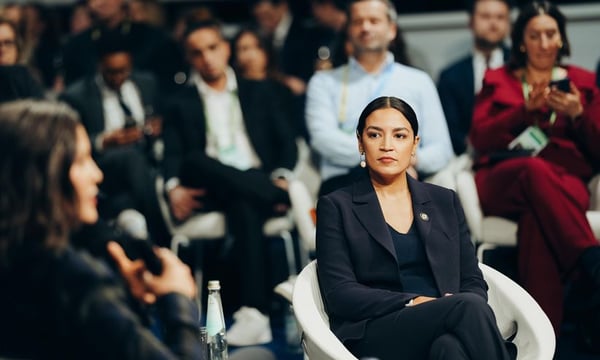
At the Munich Security Conference, Representative Alexandria Ocasio-Cortez expressed a core progressive belief in diplomacy before militarism, rejecting a competition-based China policy. While progressives condemn China for human rights abuses and unfair trade practices, they believe the U.S. should engage in bilateral dialogue and multilateral institutions to address these issues, recognizing that diplomacy's effectiveness depends on the moral legitimacy of the American state.
The progressive challenge to the conventional U.S. support for Israel in Congress reflects their broader efforts to reshape the Democratic Party's ideology, aiming to reclaim congressional authority over foreign policymaking. This shift could prove crucial in shaping China policy, as it holds policymakers accountable for foreign policy decisions, addressing the self-forgiving nature of the U.S. foreign policy establishment.
Written by urgent.news from The Diplomat's reporting — not their text. Machine-written — may contain errors; check the original before relying on it.