How 280,000 planted trees transformed New Zealand's Tiritiri Matangi
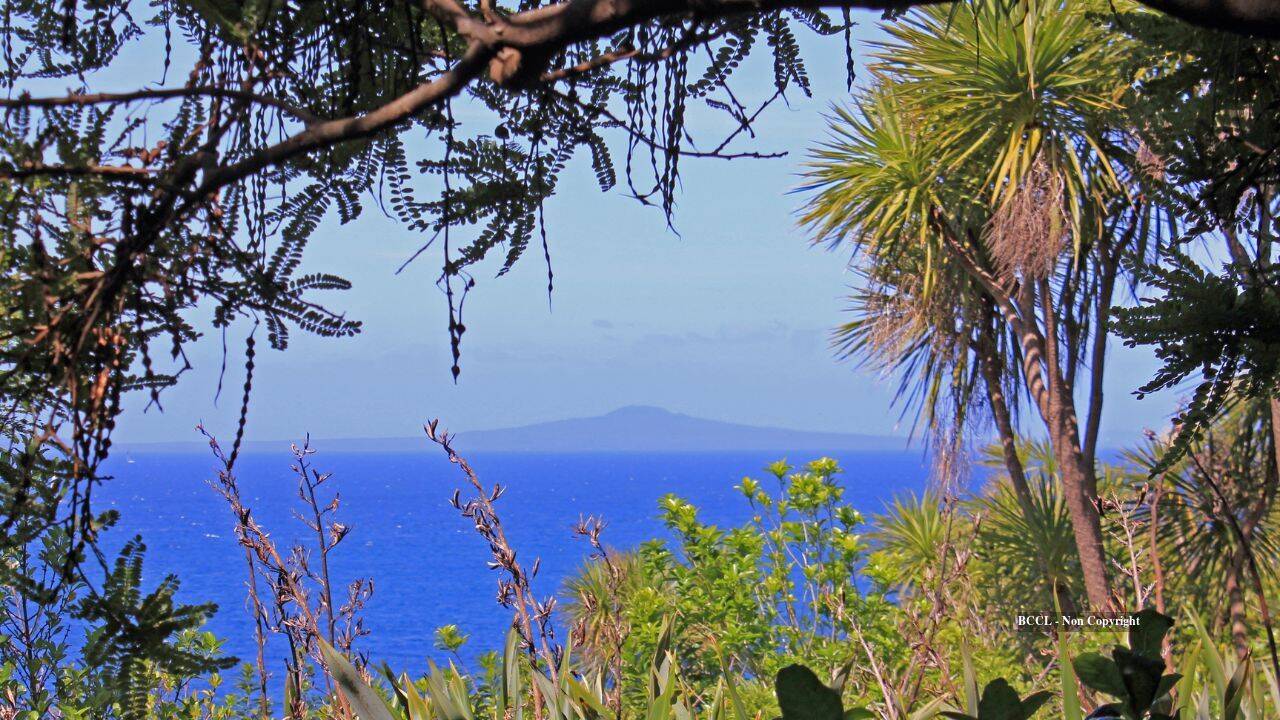
Off the coast of Auckland, New Zealand, lies Tiritiri Matangi—a verdant island that now boasts a thriving native forest. However, three decades ago, the landscape was vastly different. Once boasting dense native woodland, Tiritiri Matangi had only a scant 4% of its original forest cover left after years of agricultural use. The island's transformation from a farmed expanse to a conservation haven is one of New Zealand's most remarkable environmental feats, largely attributed to the planting of 280,000 trees over a decade by thousands of volunteers.
In the mid-19th century, Tiritiri Matangi faced deforestation for farming, leading to the loss of native birdlife and a severely diminished ecosystem. By the 1970s, the island appeared as a largely grassy expanse with sparse trees, and native species were scarce. Without intervention, the island's natural regeneration looked unlikely.
In 1984, a group of scientists from the University of Auckland joined forces with the Department of Conservation and community organizations. They envisioned transforming Tiritiri Matangi into an open sanctuary where native wildlife could be reintroduced and where the public could engage in conservation efforts firsthand. This vision would require a monumental effort in restoring the island's forest.
Between 1984 and 1994, a large-scale revegetation program was initiated. The ambitious goal was to replant the entire island with native trees and shrubs, creating habitats for endangered species. To achieve this, volunteers formed teams known as the "spade brigade." Armed with distinctive pointed spades, these volunteers dug holes and planted native seedlings across the island's landscape. With around 10,000 volunteers involved, the project stands as one of New Zealand's largest community-led conservation initiatives.
The planting initiative utilized thirty different native tree and shrub species, starting with hardy pioneers such as pōhutukawa that could withstand the windy, exposed conditions. These initial plantings created shelter and shade, allowing other species to establish and the forest to evolve in layers. As a result, the island's forest cover surged from a paltry 4% to over 60% within a decade.
However, planting trees was just the beginning. To safeguard the newly created habitats, predators had to be eradicated. In the early 1990s, rats were removed from the island, and stringent biosecurity measures were implemented to prevent future invasions. Tiritiri Matangi was established as a predator-free sanctuary, a rare and valuable environment in a nation where introduced mammals have historically devastated native species.
Today, Tiritiri Matangi is home to several of New Zealand's most threatened bird species, including the takahē, kōkako, stitchbird (pōpokotea), saddleback (tīeke), and little spotted kiwi. These rare birds are thriving under the protection provided by the sanctuary. The island serves as a living laboratory, offering visitors the opportunity to observe native wildlife up close and learn about the complexities of conservation.
The success of Tiritiri Matangi's bird reintroduction programs has been nothing short of remarkable. Many populations have grown, and the island now plays a vital role in translocating species to other predator-free areas across the country. Beyond its ecological achievements, Tiritiri Matangi is a testament to the power of community engagement.
This once remote scientific endeavor has now become a model of community-driven conservation, demonstrating that ordinary people can make a substantial difference in restoring ecosystems and protecting endangered species.
With more than 30,000 visitors each year, Tiritiri Matangi offers a glimpse into its rich history and ongoing conservation efforts. The island remains an active project, relying on dedicated volunteers for planting, monitoring, and maintenance. Tiritiri Matangi serves as a beacon of hope and a reminder that damaged landscapes can be restored, and endangered species can be given a second chance through visionary leadership, perseverance, and community collaboration.
Written by urgent.news from Times of India's reporting — not their text. Machine-written — may contain errors; check the original before relying on it.