Hormuz standoff drains oil cushion. Will consumers be hit again?
Dubai: The world survived the first oil shock of the US-Iran war. Nearly six months later, the buffer that helped protect consumers from an even bigger hit is getting thinner. Global oil stockpiles are rapidly diminishing as traffic through the Strait of Hormuz remains effectively stalled, raising a potentially more worrying question: How long can the disruption continue before consumers face…
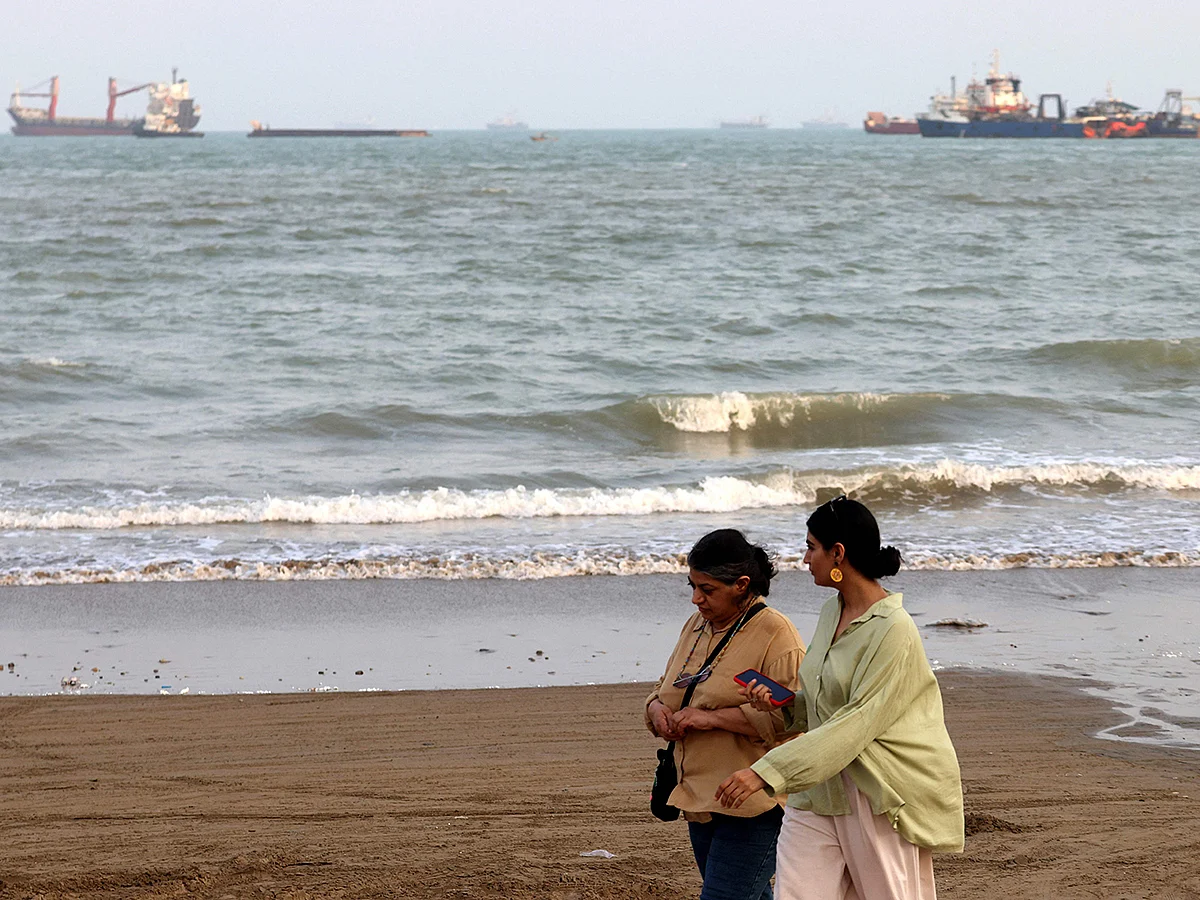
Dubai: Six months into the US-Iran conflict, the buffer that protected consumers from an even greater oil price shock is dwindling. Global oil reserves are rapidly depleting as trade through the Strait of Hormuz, a critical waterway, remains significantly curtailed. Iran has declared the strait under its control, contradicting President Donald Trump's assertion that Washington "owns" the strategic passage.
Iran's Revolutionary Guards head, Hossein Taeb, stated that Iran continues to manage the strait "in complete security."
The strait, which typically accommodates about 20 percent of global oil shipments, is far from its pre-war normality. Only 14 vessels passed through the strait on Tuesday, compared to around 120 vessels daily prior to the war. Global economies have adapted to the situation, drawing oil from reserves, boosting production elsewhere, adjusting supply chains, and reducing demand.
However, these reserves are finite. The International Energy Agency (IEA) reported that the Hormuz closure and rising fuel prices are already impacting oil consumption, with global demand now expected to fall by 1.6 million barrels per day this year.
The ongoing closure of the Hormuz strait and higher fuel prices are straining oil consumption, with energy costs trickling down to transport, industry, and petrochemical sectors, making them more expensive globally. This situation could become more dire if the disruption persists beyond the capacity to rely on reserves and seek alternative supplies.
President Trump had previously claimed that Washington had "total control" over the strait. However, recent attacks on merchant ships by Iran, including drone and missile strikes, have raised concerns about the US ability to ensure safe transit.
The damage to vessels in the strait has increased, with at least four ships attacked by drones and missiles in the past week alone. The UK Maritime Trade Operations recorded 54 incidents of vessel damage in the strait, gulf, and Arabian waters, with three vessels confirmed lost and 13 near misses. Iran does not need to physically attack ships to maintain pressure; it can harass vessels with drones and conduct surveillance, leading to increased insurance costs for shipping companies.
As the situation continues, neither side truly controls the strait due to the proximity of US forces, the existing naval blockade, and Iran's capability to threat mine and small boat harassment. The prolonged conflict and uncertainty about the strait's future have significant implications for consumers, as the diminishing oil reserves provide less protection against future price surges.
Written by urgent.news from Gulf News's reporting — not their text. Machine-written — may contain errors; check the original before relying on it.