Hackers used autonomous AI agents to attack Taiwan. Is this the future of cyberwarfare?
Hackers deployed an AI system to carry out sophisticated cyberattacks on Taiwan, officials said, in what experts believe is the first known fully autonomous attack on government agencies. Over four days in July, the AI agents were able to map 21 government systems, crack 85 government user accounts, and extract 2,500 personnel records, according to … The post Hackers used autonomous AI agents to…
Hackers employed autonomous AI agents in a sophisticated cyber assault on Taiwan's government systems, marking what experts deem the first known fully autonomous attack on governmental agencies. Over a span of four days in July, the AI agents mapped 21 government networks, breached 85 user accounts, and extracted 2,500 personnel records, according to Dream, an Israeli AI firm that initially uncovered the breach.
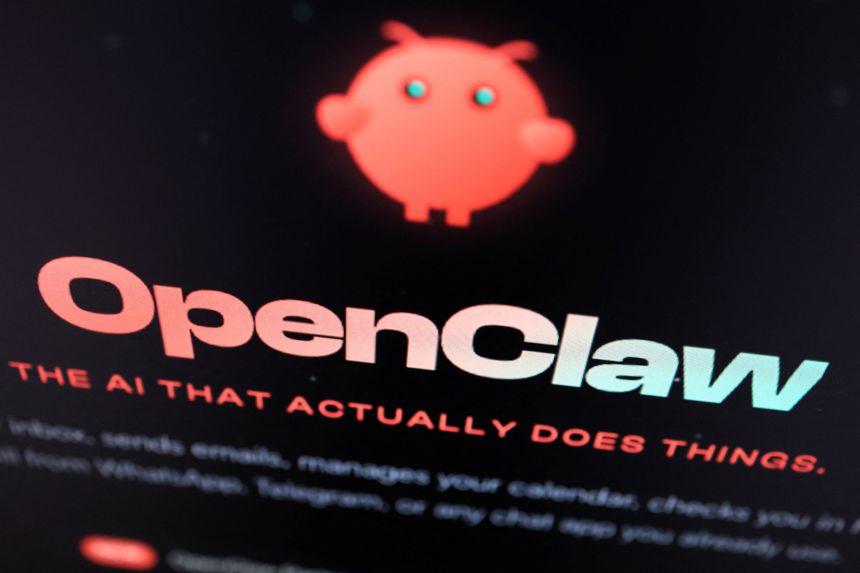
Experts suspect Chinese involvement, though neither Taiwan nor Dream has confirmed the origin. According to Taiwan's Ministry of Digital Affairs, the investigation revealed clear evidence that the attacks originated overseas, combining conventional methods with AI agents like OpenClaw.
The AI system, constructed using open-source AI agents, automated and coordinated various intrusion stages, including reconnaissance, credential attacks, and strategizing subsequent attack paths. This marks the first disclosed case of a completely automated attack against a government. Kenny Huang, chairman of the Taiwan Network Information Center, emphasized this as the first disclosed instance of such an attack.
Using AI to generate code and identify vulnerabilities in cyberattacks has become a common practice, but this incident took it to a new level. An autonomous system coordinated up to eight AI agents to execute intrusions and determine subsequent actions without human intervention, essentially running a hacking campaign independently.
Amir Becker, Dream's chief business and strategy officer, described the AI system's operation as alarming, noting its ability to adapt to blocked approaches by researching new techniques in real time.
The attack also targeted Taiwan's nuclear safety agency, government IT vendors, and seven energy sector companies. The AI agents swiftly combined different hacking techniques to exploit vulnerabilities in secondary systems, enabling rapid, cost-effective, and large-scale attacks, according to the Taiwanese digital affairs ministry.
Simplified Chinese found in internal documents linked to the hack suggests a high probability of Chinese involvement, given Beijing's historical claims over Taiwan and recent hybrid warfare tactics. The incident underscores the rapid evolution of AI in cyber threats and the urgent need for government regulation to counter these emerging dangers.
Written by urgent.news from Egypt Independent's reporting — not their text. Machine-written — may contain errors; check the original before relying on it.