Høsten blir en rentegrøsser
Ett tall, en dato. 10. september vil prege lommebøkene til folk flest.
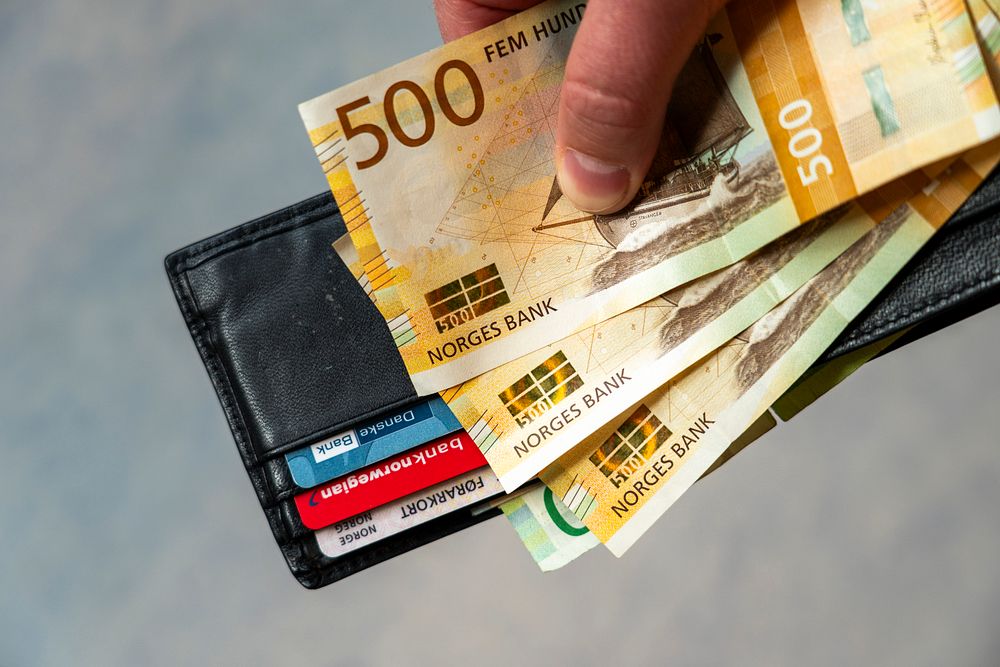
Autumn will be a price hike. The commentary reflects the sentiment that mortgage borrowers should not celebrate, even if the central bank holds the policy rate steady on Thursday. Already in September, a new increase in interest rates appears likely on the interest rate menus. Much depends on a number and a date. On September 10th, we will receive new figures for price growth in this kingdom.
In the best case, price growth for August could come in surprisingly low. Once again. This time, the price growth has been well below the expectations of the policy setters for three consecutive months. That could lead us to suspect that we are witnessing a durable trend shift. With inflation losing momentum, the likelihood of remaining with the same policy rate for at least this year increases.
At least, it is likely that the central bank will buy itself even more time and keep the rate at the same level next time as well. If August prices turn out to have risen surprisingly much, we should expect the central bank to tick up the rate again, in line with the signals that preceded the policy setters and the general public's summer vacation.
Even a price growth that comes in about what was expected could be too much. For this spring, it became clear that the central bank had lost patience with inflation growing far beyond the target. We must go back to December 2020 to find a Norwegian core inflation target of around 2 percent, excluding energy and fees, the so-called underlying price growth at the ideal level.
Even in the pleasant months of June and July, the figure was 2.7 percent. The central bank itself was as doubtful as late as June about reaching the goal this decade. Inflation fever is therefore on the way down. However, the policy setters have not informed the patient. And there is still a potential risk of new inflation overshoots.
Surprising price jumps were the reason behind the central bank radically changing its rate plans this year. And that is why we got the first of several planned new rate hops in May. Even though furniture and clothes did not behave like summer birds, quite a lot will have to happen before the central bank moves the rate needle again.
It is not quite right to draw quick conclusions about decelerating price growth after a couple of good sets of numbers. The central bank itself made this abundantly clear on Thursday. "It is too early to conclude that inflation outlooks for the coming period have been significantly altered since June," the central bank said. The policy setters also point out that businesses' costs have risen sharply in recent years.
This could hold up price growth for longer. And that was the expectation. Prices have been well above the target for as long as our hopeful children have been in kindergarten. That does something to us. The policy setters fear that businesses and the majority of people plan for inflation to stay high. That alone could keep the spiral of inflation alive.
When the August price surge arrives, they can also expect political actions to affect the numbers. The government cut kindergarten fees again on August 1st last year. This dampened the measured price growth for a year. Now, that effect will disappear. For most Norwegians, mortgages with floating rates are the single largest expense each month. On September 10th in the calendar, the numbers are already there.
Written by urgent.news from E24 Norway's reporting — not their text. Machine-written — may contain errors; check the original before relying on it.