GSS flags ginger price surge as investment opportunity
The Ghana Statistical Service (GSS) says sustained high ginger inflation presents significant opportunities for investment in the crop’s value chain.
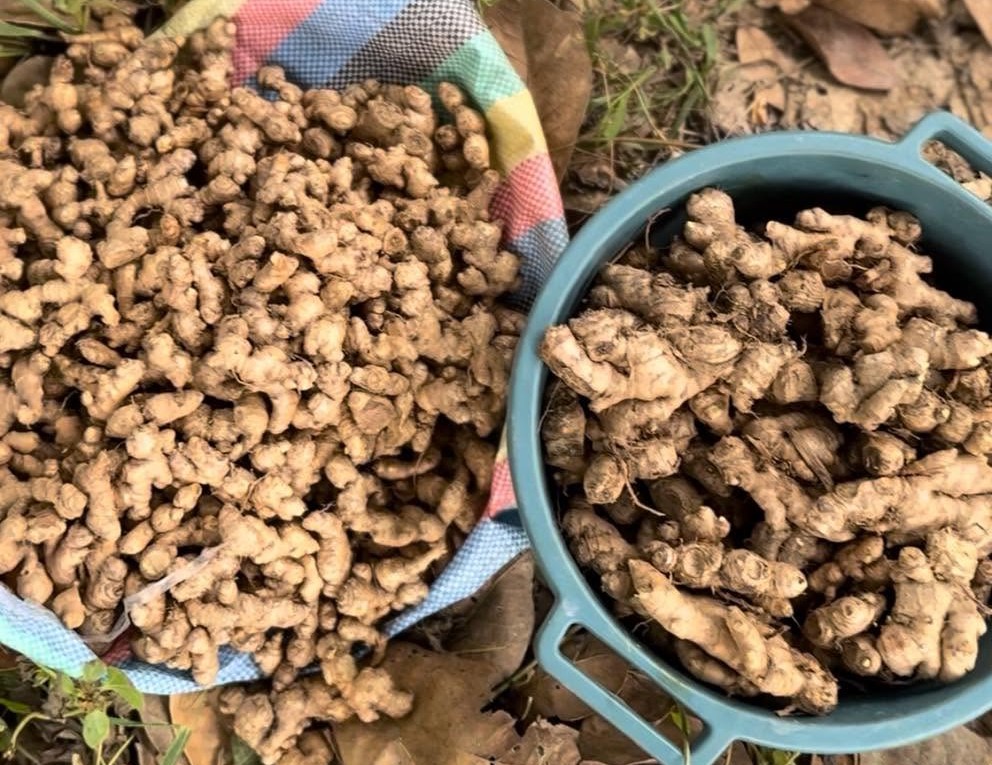
The Ghana Statistical Service (GSS) has highlighted the potential investment opportunities arising from sustained high ginger inflation. In July 2026, ginger recorded a year-on-year inflation of 111.3 per cent, making it the most inflationary item and a significant contributor to food inflation. This surge in prices reflects strong demand and attractive returns that can be capitalised on by domestic producers and commercial farmers.
Dr Alhassan Iddrisu, the Government Statistician, suggested that farmers should expand ginger acreage alongside staples like maize, cassava, and plantain to capitalize on the crop's high profit margins.
The logistics and supply chain challenges associated with ginger also present opportunities for logistics firms, aggregators, and transport operators to establish efficient farm-to-market distribution systems. Furthermore, investing in cold storage and warehousing can help stabilize supply chains and maintain year-round availability of the crop, mitigating market gluts and shortages.
Agro-processors can seize the moment by moving into ginger powder, packaged pastes, essential oils, beverages, and dried exports, all of which can be sold in local retail and international export markets, reducing perishability risks. The General Agricultural Workers’ Union (GAWU) concurred with the GSS's observation, emphasizing that the price surge offers an opportunity for value chain players to expand plantation farming and fulfill the rising demand.
However, Dr Paschal Ajongba Saviour Kaba, Deputy General Secretary of GAWU, stressed the need for deliberate government policies to improve access to agricultural finance, such as subsidized interest rates for farmers. He advocated for a review of the mandate of institutions like the Agricultural Development Bank (ADB) to restore their focus on providing tailored, lower-cost financing.
Dr Kaba called for increased government interest in agriculture, moving away from a predominantly private capital-driven approach, and investing in agricultural manpower and extension services to boost yields.
He also pointed out that ginger's long gestation period, coupled with high rainfall in certain regions, limited the speed at which supply could respond to demand. The perceived aphrodisiac properties of ginger, combined with demand from beverage and pharmaceutical companies, has led some farmers to sell directly to processing and alcohol-brewing firms under input-credit arrangements, further pressuring market prices.
Dr Kaba urged for large-scale plantation development for key commodities, similar to the approach employed in Côte d’Ivoire, supported by affordable credit. He believes that with targeted credit and infrastructure support, Ghana can transform this scarcity-driven price boom into sustainable export and industrial growth while alleviating food inflation.
Written by urgent.news from MyJoyOnline Ghana's reporting — not their text. Machine-written — may contain errors; check the original before relying on it.
This story
This is one outlet's version. Read the fullest account.
- GSS flags ginger price surge as investment opportunity adomonline.com
- GSS flags ginger price surge as investment opportunity myjoyonline.com