Gas prices fall, US wholesale inflation cools in July
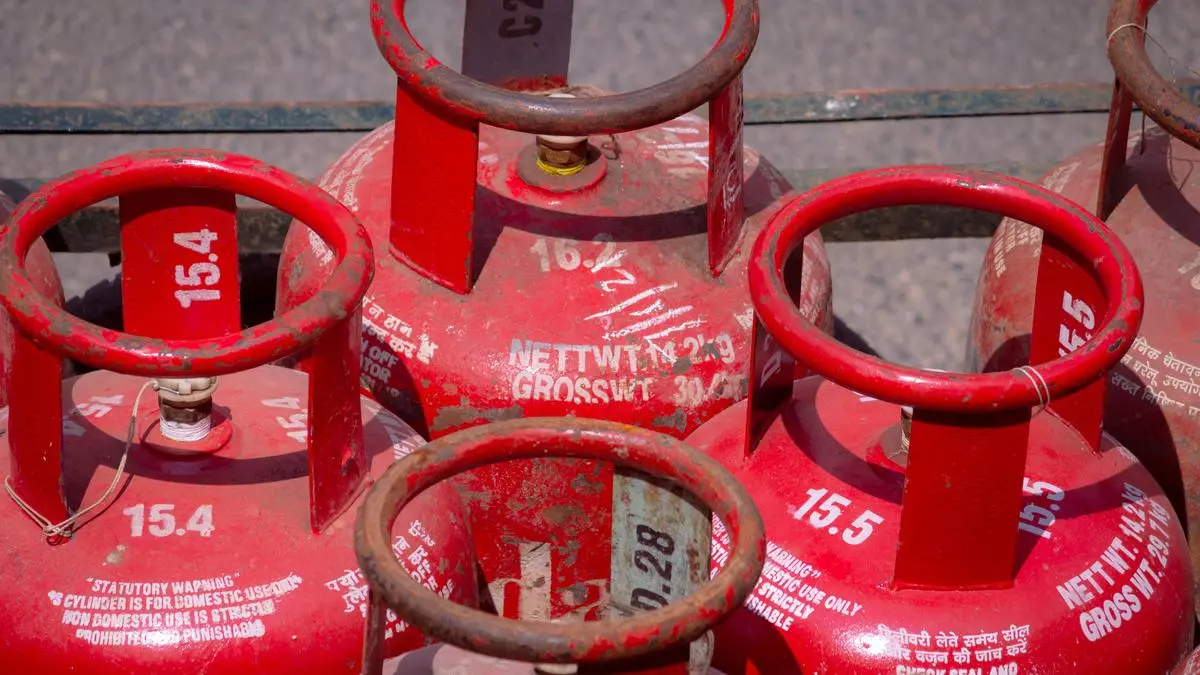
Wholesale inflation cooled last month as gas prices eased some of the impact from the ongoing Iran war, signaling potential cooling for consumer inflation in the months ahead. The Labor Department's producer price index rose 4.7% year-over-year in July, a slight decrease from the larger 5.5% jump in June. However, on a monthly basis, wholesale prices remained flat after a slight decline in June.
The data comes after the government's consumer price inflation report, also released on Wednesday, revealed a modest slowdown in consumer prices. Despite this, consumer prices have continued to outpace wage growth for the past four months, raising concerns about Americans' ability to afford essentials like rent and utilities. If this trend persists, consumers may be forced to reduce spending in the coming months.
Excluding volatile food and energy categories, core wholesale inflation declined to 4.2% in July from a year earlier, down from 4.7% in June. On a monthly basis, core prices slipped 0.2% from May to June. Gas prices initially fell in early July but then rose later in the month and again in early August, potentially reigniting inflation when August figures are released.
Despite this temporary setback, July's cooling inflation provides Federal Reserve officials with more flexibility to avoid raising interest rates when they meet in September. Fed officials are deliberating whether to maintain interest rates unchanged or to keep them steady in hopes that inflation will continue to moderate on its own.
Economists also monitor wholesale prices as an early indicator of consumer inflation trends, as some components of wholesale prices, such as healthcare and financial services, eventually influence the Fed's preferred inflation gauge - the personal consumption expenditures index, which will be released later this month. Fed officials are considering whether to raise rates after leaving them unchanged so far this year, as the government reported job cuts in July, indicating economic weakness that could dissuade the central bank from raising borrowing costs.
Written by urgent.news from The Economic Times's reporting — not their text. Machine-written — may contain errors; check the original before relying on it.