Frustration, not fear of judgment, drives the rise of independent voters
A record number of Americans now identify as political independents. A new study reveals voters are shedding their party labels not to avoid social stigma, but because they are genuinely frustrated with their own party's candidates and platforms.
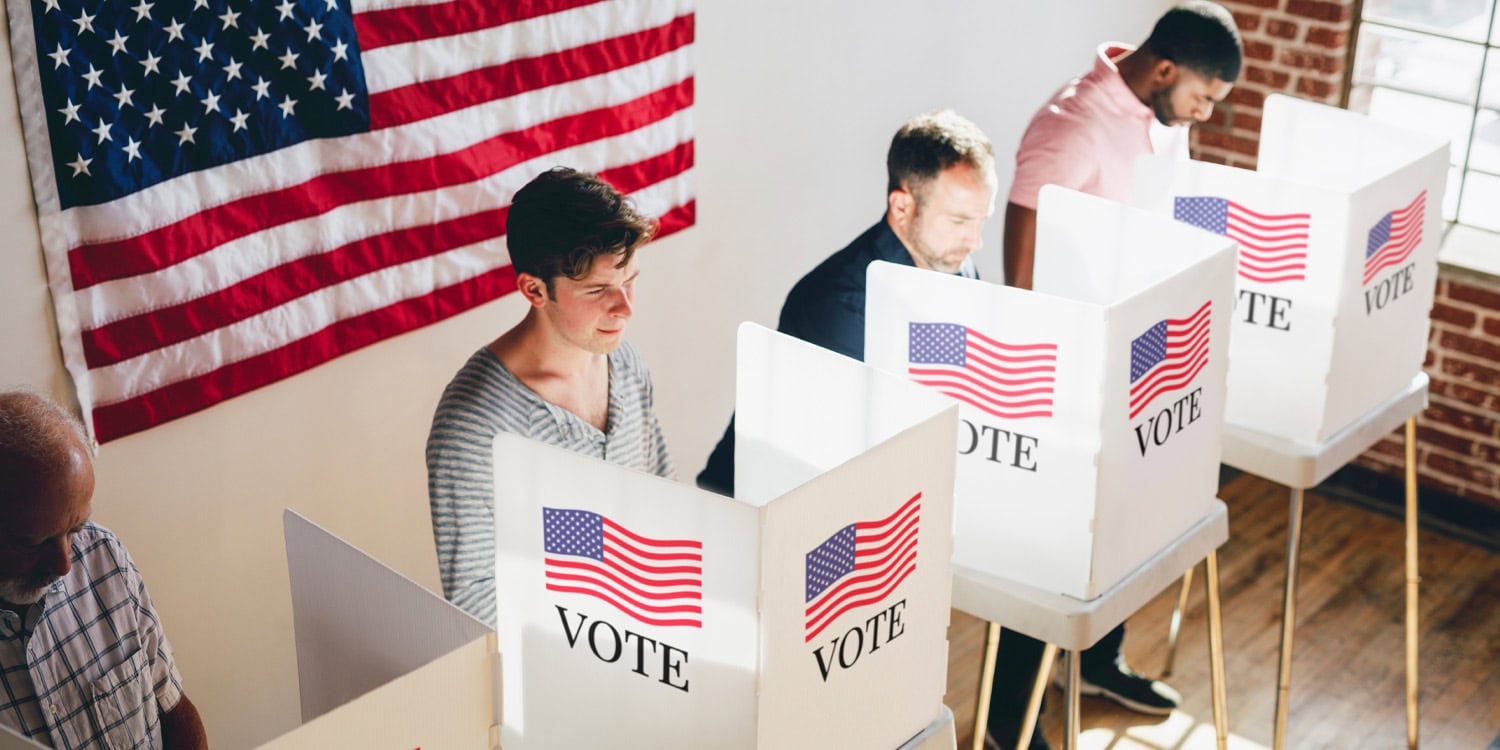
A growing number of Americans are choosing to identify as political independents, according to a new study published in Public Opinion Quarterly. Researchers found that this trend is driven by genuine dissatisfaction with their own preferred party, rather than a desire to conceal their political leanings to avoid social judgment. The findings suggest that the rise of political independence is a reflection of real frustration with the American political system.
The study looked at data from 4,941 participants surveyed over eight intervals between October 2016 and November 2022. Researchers specifically examined 1,293 respondents who had identified as partisans in one survey phase but as independents in another. By tracking the same individuals over several years, the researchers were able to isolate the precise changes in attitude that triggered the shift.
The study tested two competing theories to explain the rise of independents. The first theory suggested that independent identification is a form of impression management, with voters hiding their true affiliations to avoid social stigma. However, the data did not support this theory. Changes in voters' perception of political civility or their willingness to self-censor did not predict a shift toward independence.
The second theory proposed that independents are reluctant partisans who consistently support one party but drop their party label due to a lack of better options. Researchers tested this theory by measuring voters' evaluations of their own party and the leading presidential candidates. They also assessed policy alignment between voters and the parties' platforms.
The findings showed that evaluations of a voter's own party strongly predicted a shift to independent identification. When participants reported a decrease in favorability toward their preferred party or an unfavorable view of the party's presidential nominee, they were highly likely to abandon their partisan label. The same effect was observed when voters grew increasingly disagreeable with their party's policy platform.
Interestingly, the effect was more pronounced among former Republicans than Democrats. While both parties saw an increase in independent identification, Democrats were less likely to abandon their party label compared to Republicans. The study concluded that voters are primarily motivated by frustration with their own party, rather than an attraction to the opposition. Positive feelings toward the opposing party, while present, had a minimal impact on the decision to become an independent.
Written by urgent.news from PsyPost's reporting — not their text. Machine-written — may contain errors; check the original before relying on it.