From “easy money” to murder: Russia escalates recruitment of Ukrainians for terrorist attacks inside Ukraine, police warn
Russian handlers are targeting people through Telegram job and drug channels, fake SBU calls, personal relationships, and even minors, gradually turning recruits into disposable operatives.
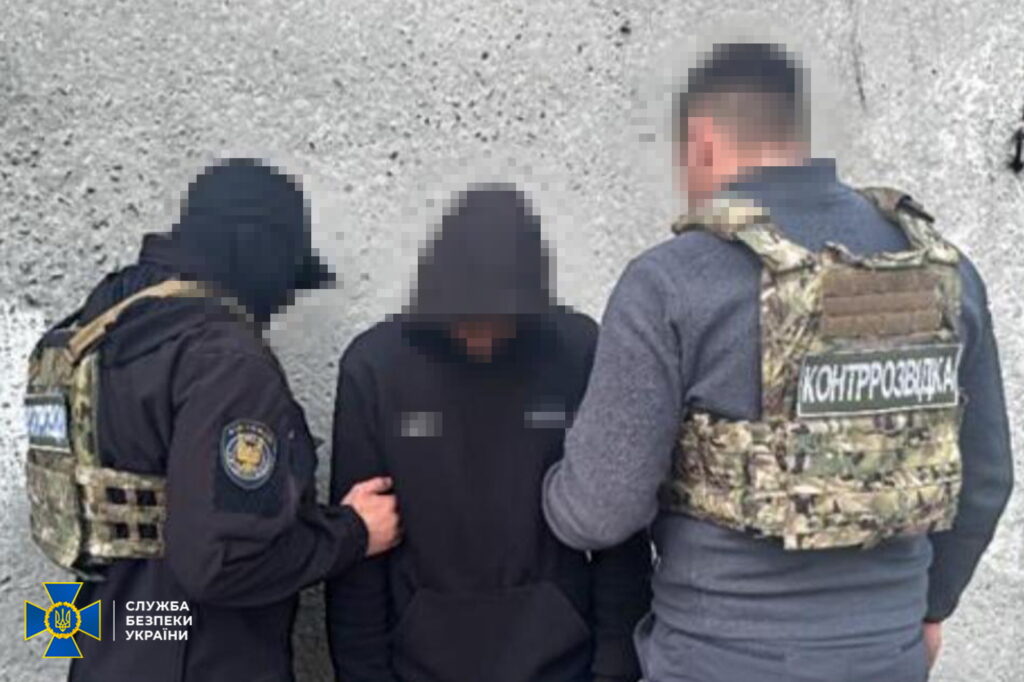
Russian security agencies are increasingly enlisting Ukrainian citizens for sabotage, terrorist acts, and killings, with police observing a marked surge in such attacks linked to recruitment since 2024, as per independent Ukrainian news outlet Babel. In 2026, the National Police and Security Service of Ukraine reported 31 solved terrorist attacks, 80% of which have been resolved, alongside another 14 thwarted during preparations.
Additionally, authorities have logged 11 cases of military personnel poisoned, currently under investigation for possible ties to Russian recruitment efforts. From mundane tasks to terrorism Andrii Niebytov, deputy head of the National Police and head of the criminal police department, stated that Russian recruitment tactics became systematic in early 2024, according to Babel.
Typically, Russian handlers approach individuals through Telegram channels and chats where users seek employment, quick cash, or drugs. The initial assignment may seem innocuous: capturing a location, passing information, transporting a package, or delivering goods. However, these tasks can gradually escalate into property damage, arson, terrorist attacks, and killings.
Police allege that handlers can progressively involve recruits in more severe crimes before employing intimidation or blackmail to maintain control. This trend is evident in police data. In 2024, Russian operatives orchestrated nine terrorist attacks, a number that climbed to 61 in 2025, with 27 attacks thwarted before execution.
That year, authorities solved 52 terrorist cases. Targeting military personnel through poisoning is another dangerous facet of the recruitment campaign. Police have documented 11 poisoning instances since the beginning of 2026, where investigators are either probing or have identified links to Russian recruitment efforts. In some instances, Russian handlers have enlisted the help of young women to forge connections with soldiers, arrange meetings, or deliver poisoned substances.
In July, police apprehended a 20-year-old woman in Poltava suspected of poisoning two soldiers with drugs allegedly supplied to her by mail. In Rivne, authorities are examining the death of a soldier allegedly poisoned by a minor girl laced with a drug-alcohol concoction. The Russian handler reportedly installed tracking software on the girl’s phone and monitored her activities remotely.
A toolkit built on exploiting vulnerabilities Russian operatives employ varying entry points based on the target. Some recruits are lured with promises of easy money or drugs, while others are manipulated via personal relationships or threatened with fabricated criminal charges. A scheme involves fraudulent call centers operating within Russian-occupied Ukrainian regions.
Scammers impersonate officials from Ukraine’s Security Service and accuse targets of offenses such as purchasing Russian-made products or funding Russia. Police are investigating 449 fraud cases involving this tactic. However, according to Babel, the same method is now also employed for recruitment purposes. After coercing targets, callers dispatch fake summonses, suspicion notices, or other documents via messaging platforms.
They then offer assistance in evading prosecution in exchange for carrying out criminal assignments.
Written by urgent.news from Euromaidan Press's reporting — not their text. Machine-written — may contain errors; check the original before relying on it.
Also reported by 3 other outlets
- Civilians in Ukraine and Russia are paying an ever-higher price in the war english.elpais.com
- Russia and Ukraine exchange bodies of soldiers following ICRC intervention qatar-tribune.com
- A dating bot with no age verification just got banned in Kazakhstan, and it’s the same one Russia used to brand Telegram founder Pavel Durov a ‘terrorist’ meduza.io