Flock adds platform guardrails after misuse and privacy concerns spark backlash
Flock Safety , the surveillance technology company increasingly under scrutiny from lawmakers from both parties, civil liberties advocates and citizens across the U.S., announced Thursday that it is making changes to its platform intended to quell privacy concerns and address documented abuses of its system by some members of law enforcement. The company operates a vast nationwide network of…
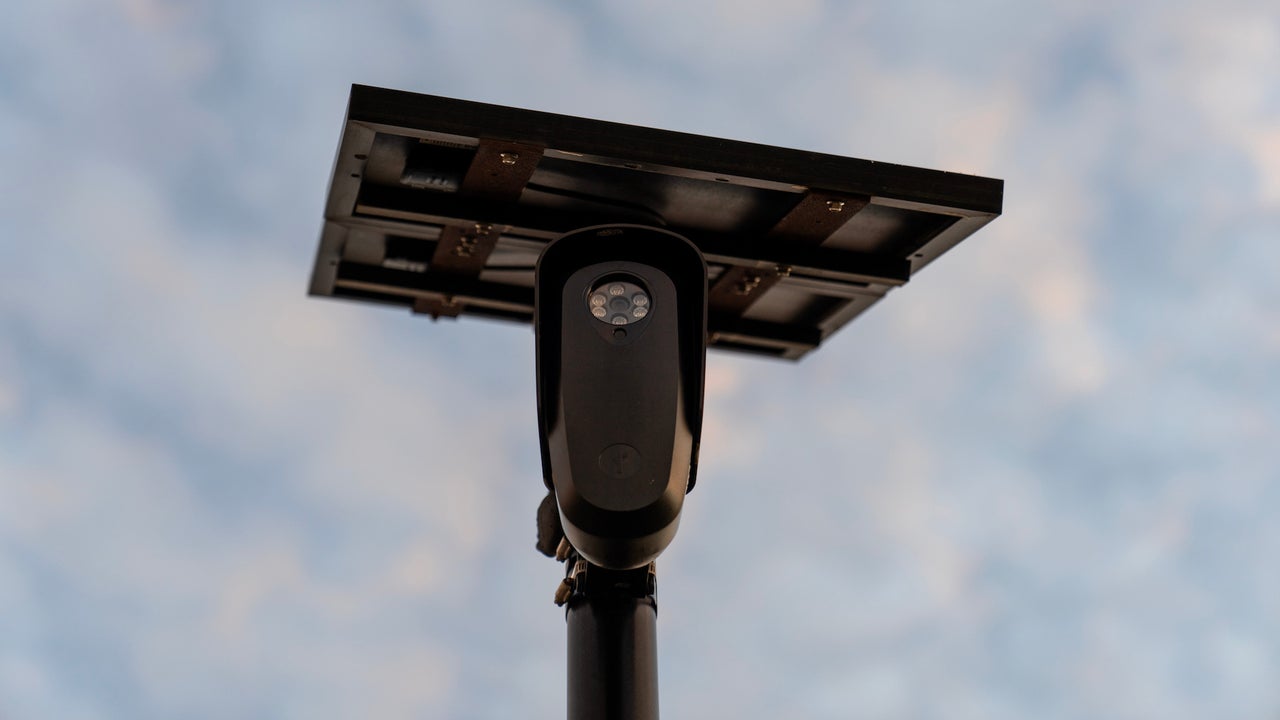
Flock Safety, a surveillance technology company, announced on Thursday that it will be implementing changes to its platform in response to privacy concerns and documented abuses by some law enforcement members. The company operates a network of cameras across the U.S. that record license plate numbers and other vehicle details. Thousands of law enforcement agencies in 49 states can search and share the data from these cameras for investigations.
While police have praised the technology for aiding in crime-fighting efforts, critics argue it amounts to unconstitutional warrantless mass surveillance.
Flock CEO Garrett Langley stated that many of the changes will make optional features mandatory by Jan. 1. These changes include implementing an audit tool to flag abnormal search behavior, requiring law enforcement customers to enter a code from their records management system for each search tied to a specific case, and allowing customers to decide which offense types outside agencies can search their data for.
Langley also mentioned that the company will shorten the standard data retention window from 30 days to seven days, although customers can preserve data for longer in cases related to a specific case number.
Some critics of the changes, such as the American Civil Liberties Union, believe the updates address the growing bipartisan anger about the cameras but could still allow for police abuses. Robert Frommer, a senior attorney at the Institute for Justice, called the changes "window dressing" and stated that the fundamental problem remains that police officers decide who and when to search. Ferguson, a law professor, also called for sustained democratic engagement and judicial checks on access to the technology.
Written by urgent.news from Fast Company's reporting — not their text. Machine-written — may contain errors; check the original before relying on it.