Emails reveal Indian carmakers' fuel contamination worries before public retreat
Hours after India made public assurances last week that its ethanol-blended petrol was safe, the country’s main auto lobby withdrew a complaint about fuel contamination it had sent to the government a week earlier. The group said some figures needed more checks. But separate communications between industry executives, reviewed by Reuters , showed that in the preceding days, top automakers Maruti…
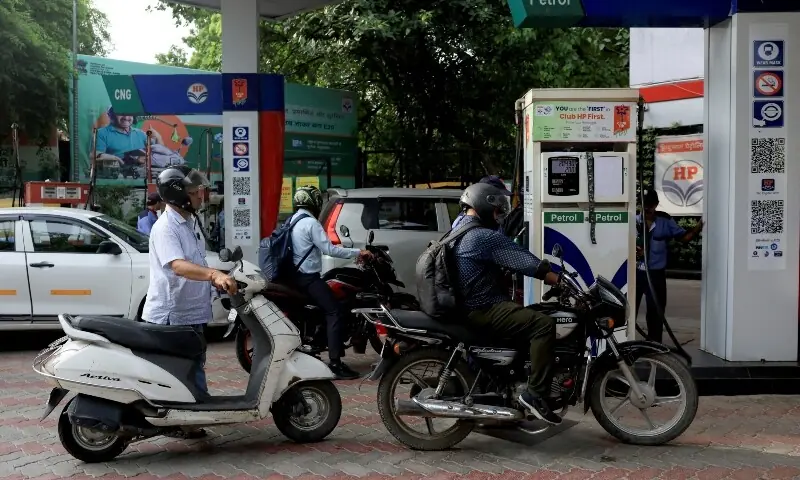
Top Indian automakers Maruti Suzuki, Tata Motors, and Mahindra expressed concerns about contamination in ethanol-blended petrol, known as E20, before the government launched a public retort to the issue. The Society of Indian Automobile Manufacturers (SIAM), representing these companies, initially sent a July 28 letter to the government regarding fuel contamination, but later withdrew the complaint after public uproar.
The withdrawn letter claimed "some numbers" needed "authentication." However, separate communications among the automakers revealed their private worries about contaminants such as chloride and moisture in E20, which they claim are negatively impacting vehicle performance. These concerns were based on comprehensive testing by the industry, which analyzed over 250 fuel samples from various states and territories.
The tests found high chloride contamination in 18 states and elevated moisture content levels. Despite the industry's findings, SIAM stated that the data was intended only for internal use and was collected by "very few" automakers. The Ministry of Petroleum and Natural Gas also did not comment on the issue, but noted that rigorous testing by oil marketing companies had revealed only four cases of contamination.
Auto industry officials pointed out that the permissible limits for chloride and moisture are 3 parts per million (ppm), while the private data indicated levels up to 570 ppm and 13,000 ppm, respectively. They also raised concerns about potential corrosion and engine failure due to chloride contamination.
Written by urgent.news from Dawn's reporting — not their text. Machine-written — may contain errors; check the original before relying on it.