Drone Warfare Comes to Latin America
Battle-tested tech from Ukraine has reached the region’s armed groups—and governments are struggling to catch up.
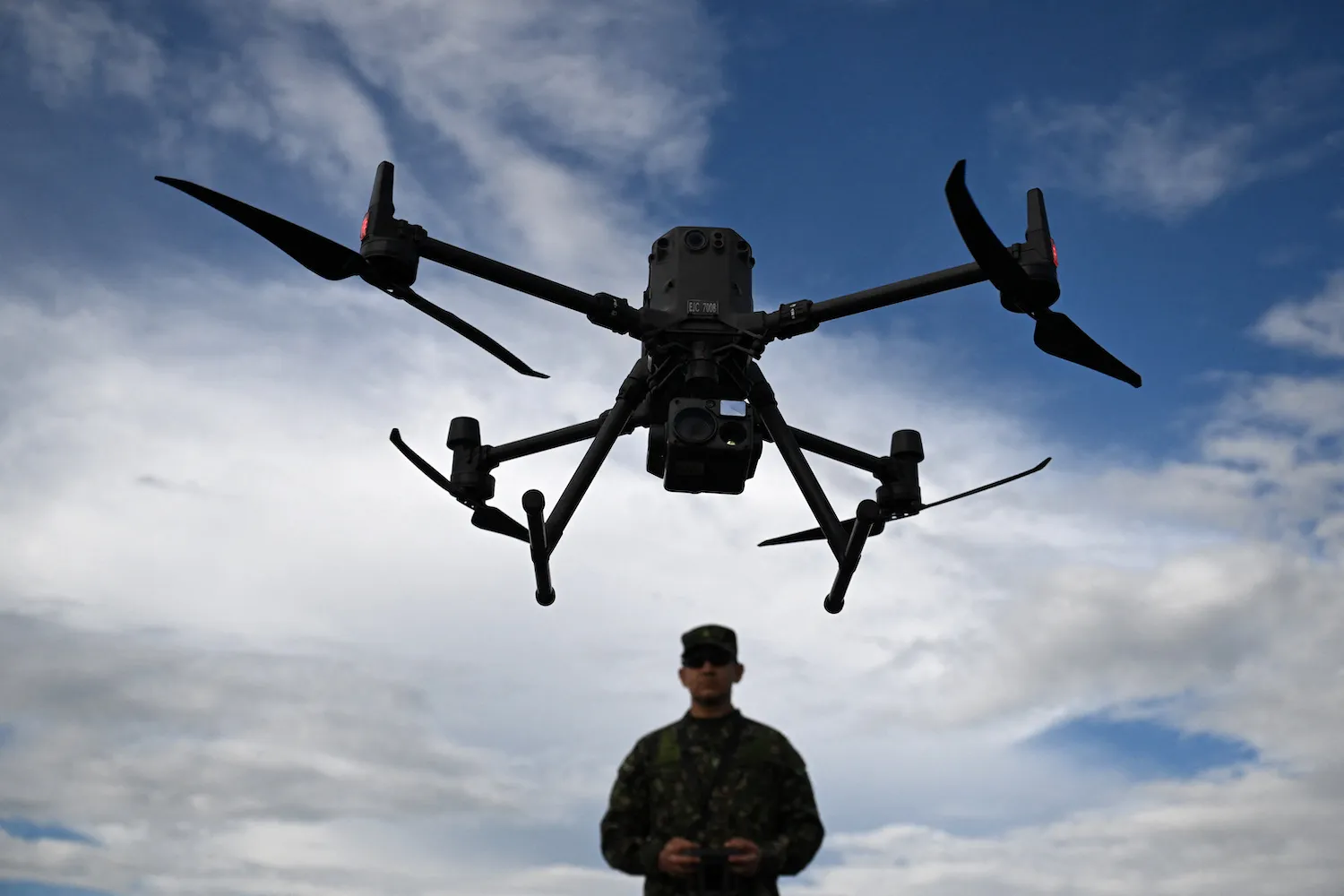
On a Tuesday night in July 2024, a ten-year-old boy named Dilan Camilo Erazo Yela died when a drone strike hit a soccer field in El Plateado, Colombia. The drone dropped an explosive on the field where Dilan and his friends were playing soccer at around 9:20 p.m. The attack left him critically injured, lying on a gurney while medical personnel tried to save his life. Dilan's tragic death sparked outrage and sorrow among his family, friends, and community.
His uncle, Rubiel Yela, remembered Dilan as a quiet and respectful boy with dreams of becoming a great cyclist. He loved riding his bike, studying, spending time with family and friends, and was very affectionate. The drone attack injured 12 others, including an 11-year-old boy with a chest wound and a 2-year-old girl who developed post-traumatic stress disorder.
Colombian military blamed the attack on the Jacobo Arenas Western Bloc of the Central General Staff, a dissident group formed by FARC commanders and fighters who rejected the 2016 peace agreement. Initially denying responsibility, the EMC later acknowledged their role, claiming the attack was accidental. This incident marked the first known civilian casualty caused by a weaponized drone in Colombia.
Colombia has seen a surge in drone attacks in recent years, with 38 incidents in 2024 and 149 by July 2025, according to the Armed Conflict Location and Event Data (ACLED) organization. Drones have become a potent weapon for armed groups in Latin America, used to sow despair and terror in a region already plagued by conflict.
Colombian armed groups have acquired drone expertise from Mexican criminal organizations, which have used drones since at least 2015 to smuggle narcotics into the United States. The Russia-Ukraine war has provided Latin American groups with valuable insights into drone warfare, as seen in the 69 percent of attacks on Russian forces in Ukraine attributed to drones.
Some Colombian mercenaries, after fighting in Ukraine, have also shared their drone knowledge with Mexican drug cartels, inadvertently passing it on to other criminal groups in the region.
Written by urgent.news from Foreign Policy's reporting — not their text. Machine-written — may contain errors; check the original before relying on it.