Do your kids love blind boxes? There's a potentially darker side
While blind boxes such as Labubus and Pokémon cards can be fun, experts warn parents should be aware of their similarities with gambling and help children create healthy habits around them.
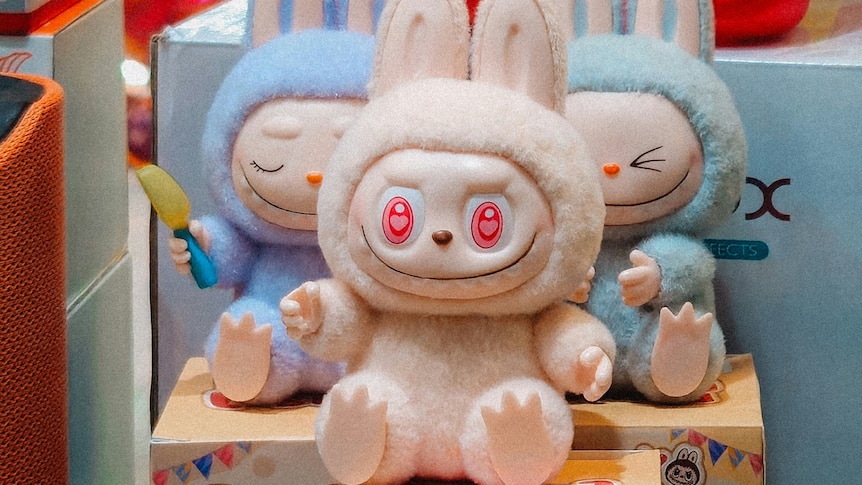
Blind boxes, those mystery-sealed toys that keep a child guessing until purchase time, have become a common sight in recent years. From Kinder Surprises to Pokémon cards, these collections often contain rare items that drive interest. However, a clinical psychologist warns of a darker side to these popular products.
Anastasia Hronis, a lecturer at the University of Technology Sydney, explains how blind boxes have exploded in popularity due to social media. Despite their appeal, she emphasizes that blind boxes share similarities with gambling. The thrill comes from the uncertain outcome, and their design uses variable-ratio reinforcement, the same reward pattern found in poker machines. This pattern keeps people coming back for more, even in the face of frequent disappointment.
Associate Professor César Albarrán-Torres from Swinburne University of Technology notes that blind boxes trigger the same emotional responses as gambling, including anticipation and occasional joy. Research shows that exposure to gamble play devices like claw machines during childhood could potentially lead to gambling problems later in life.
The widespread availability of blind boxes poses a challenge for parents, as they are found in various public spaces and retail outlets. Dr. Albarrán-Torres believes that regulations should be enforced to protect children, especially given that the global industry is projected to reach US$24.2 billion by 2033. In regions like China and Singapore, steps are being taken to limit blind box sales to children under 8 years old.
While blind boxes can offer benefits like promoting collecting and budgeting skills, these advantages depend on maintaining a balanced approach. Dr. Hronis recommends monitoring a child's engagement with blind boxes, as overexposure can shift from occasional enjoyment to a constant preoccupation. She suggests using these products as a chance to discuss the issue of chance and risk with children, fostering open conversations about the potential drawbacks.
Written by urgent.news from ABC News AU's reporting — not their text. Machine-written — may contain errors; check the original before relying on it.