Daily, but not weekly, psilocin mucate lowers cortisol and anxiety in stressed rats
A new study reveals that daily doses of psilocin mucate, a stable derivative of the psychedelic compound psilocybin, significantly reduced anxiety and stress hormones in rats. However, weekly dosing did not produce the same anti-anxiety benefits.
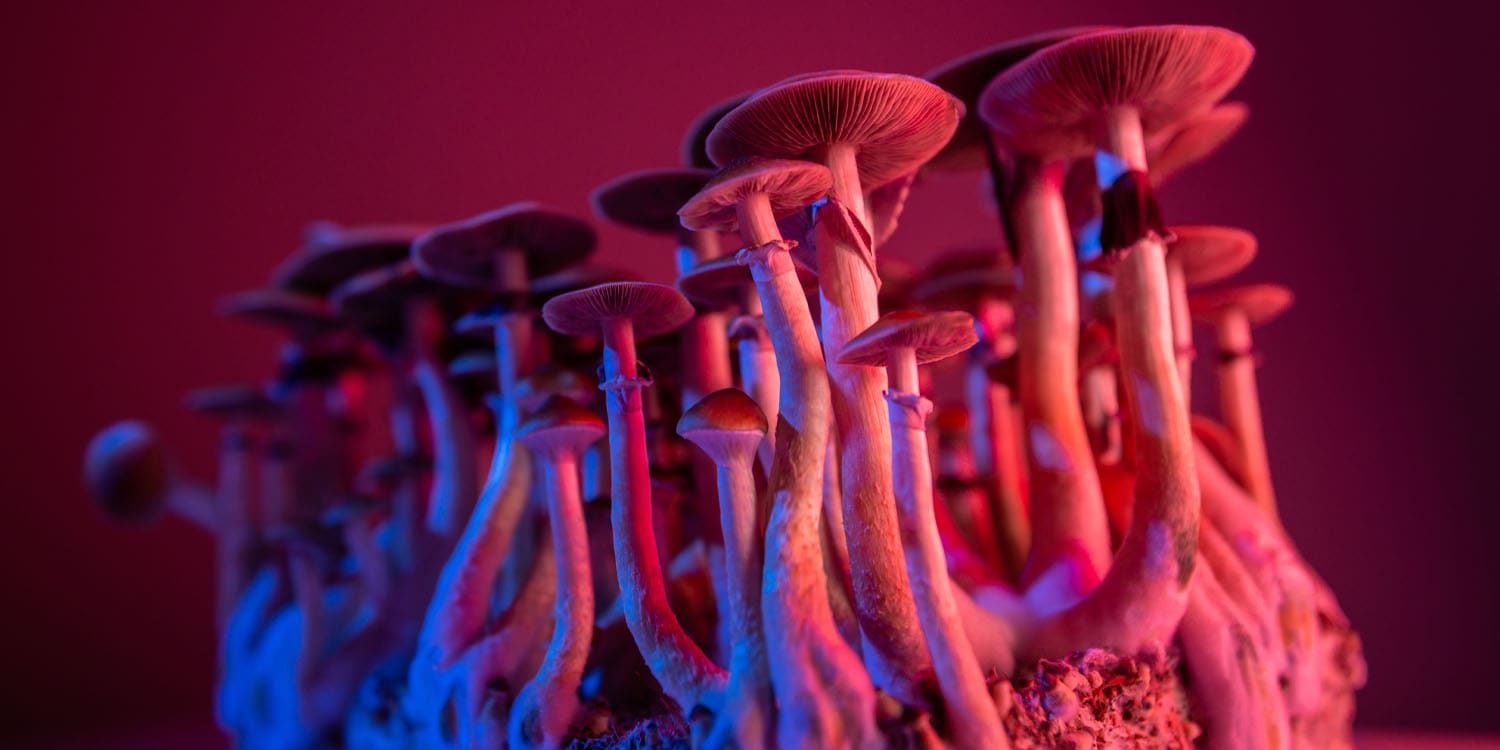
A study published in the Journal of Psychoactive Drugs has found that daily doses of psilocin mucate, a stable salt of psilocin, can reduce cortisol levels and alleviate anxiety in stressed rats. However, the same does not apply to weekly dosing of the substance. The research, conducted by Frederick D. Sancilio and his team, involved 60 healthy 6-8-week-old Wistar rats divided into five experimental groups.
One group served as the control and was not exposed to any treatment, while the other four groups underwent mild anxiety-inducing events that induced chronic stress and anxiety-like symptoms. The four groups were then subjected to different dosing schedules of psilocin mucate, including daily and weekly administration. After four weeks, the rats were tested using behavioral assessments for anxiety-like behaviors.
The results showed that daily dosing of psilocin mucate significantly decreased cortisol levels and improved anxiety-like behavior compared to the stressed control group. Nevertheless, weekly dosing did not demonstrate significant effects. The study suggests that daily dosing of L-130 (psilocin mucate) may be an effective strategy for producing anxiolytic (anti-anxiety) behaviors, but further research is necessary to determine optimal dosing and schedules.
It is essential to note that this study was performed on rats, not humans, and while both species share many physiological similarities, significant differences exist. Consequently, the effects on humans might differ from those observed in rats.
Written by urgent.news from PsyPost's reporting — not their text. Machine-written — may contain errors; check the original before relying on it.