Commentary: For the oil market, the Strait of Hormuz isn’t closed
The Iran war has triggered what many say is the largest oil-supply shock in history but the market has defied expectations of high prices, says Bloomberg Opinion's Javier Blas.
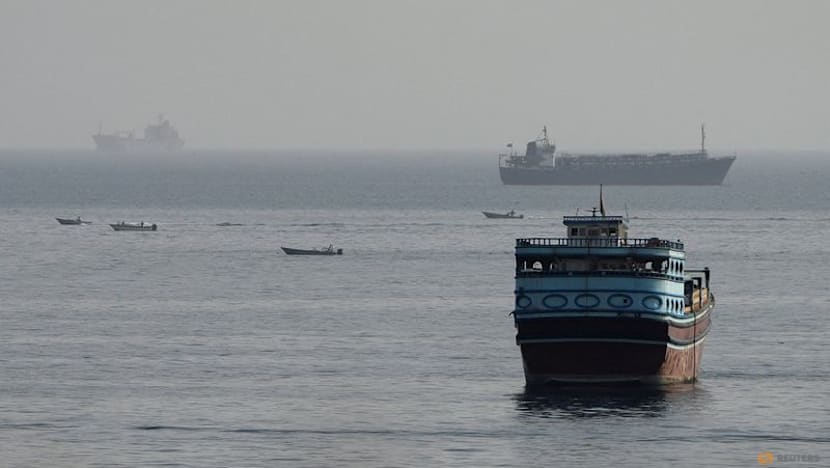
The Iran war has sparked a major oil supply shock, but the market has defied expectations by not driving prices sky-high, according to Bloomberg Opinion's Javier Blas. Despite the conflict, West Texas Intermediate crude has only briefly exceeded $100 a barrel, closing above that mark on just 6.4% of the 115 trading days since the war began.
The market's skepticism towards claims of higher oil flows is understandable, given the White House's efforts to keep prices low. However, Energy Secretary Chris Wright argues that oil flows from the Persian Gulf are higher than commonly believed. He claims nearly 9 million barrels a day have passed through the Strait of Hormuz in the past week, with total flows from the region approaching pre-war levels when bypass pipelines are factored in.
While other estimates suggest flows of 4-5 million barrels a day, Wright maintains his figure, suggesting that many private businesses undercount the number of ships leaving the strait. The debate around the actual amount of oil flowing out of the Gulf remains unresolved, but it's clear that at least 5 million barrels a day are transiting Hormuz, with Wright suggesting the figure could be as high as 9 million barrels.
Written by urgent.news from Channel News Asia's reporting — not their text. Machine-written — may contain errors; check the original before relying on it.
This story
This is one outlet's version. Read the fullest account.