Cedi depreciated by 3.1% to dollar in July 2026, increasing year-to-date loss to 10.4%
According to market analysts, the foreign exchange demand rebounded in July 2026 after June’s retreat, partly due to energy and other imports.
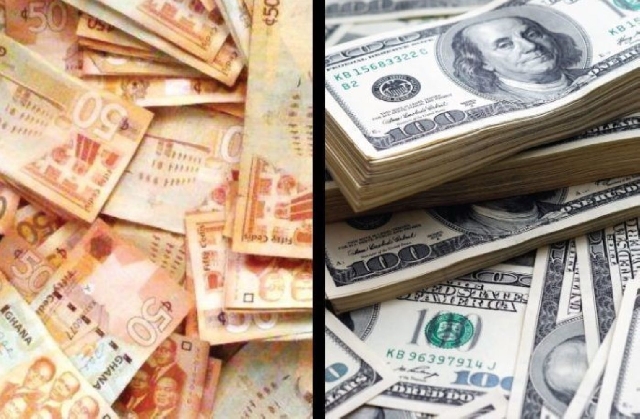
The Ghana cedi experienced a 3.1% depreciation against the US dollar in July 2026, reversing most of its June 2026 gain. This depreciation resulted in a year-to-date loss of 10.4% in the interbank market. Market analysts attribute the foreign exchange demand rebound in July 2026 to increased imports, primarily related to energy and other necessities.
With Eurobond payments totaling US$700 million and June's US$811 million forex intervention, gross foreign reserves have decreased from US$13.1 billion to US$12.9 billion. The Bank of Ghana is expected to maintain regular intermediation, although its intervention capacity will be constrained. Consequently, the cedi faces a slight downside risk in August 2026.
Currently, the cedi is trading at approximately GH¢12.42 in the retail market, while the interbank market sees it at GH¢12.75. The Bank of Ghana's data reveals that the cedi depreciated by around 8.4% against the US dollar in the interbank market during the first five months of 2026. This decline is attributed to persistent import demand and cautious forex supply conditions, with market sentiment influenced by the Bank of Ghana's deteriorating financial position.
Written by urgent.news from MyJoyOnline Ghana's reporting — not their text. Machine-written — may contain errors; check the original before relying on it.