Can I use soapy water to clean TV screen; here’s what you should know
Modern television screens require careful cleaning to prevent damage. Avoid harsh chemicals like ammonia and alcohol found in glass cleaners. Paper towels and rough cloths can scratch delicate display surfaces over time. Use only a slightly damp microfiber cloth for effective and safe cleaning. Excessive pressure and direct liquid spraying must always be avoided.
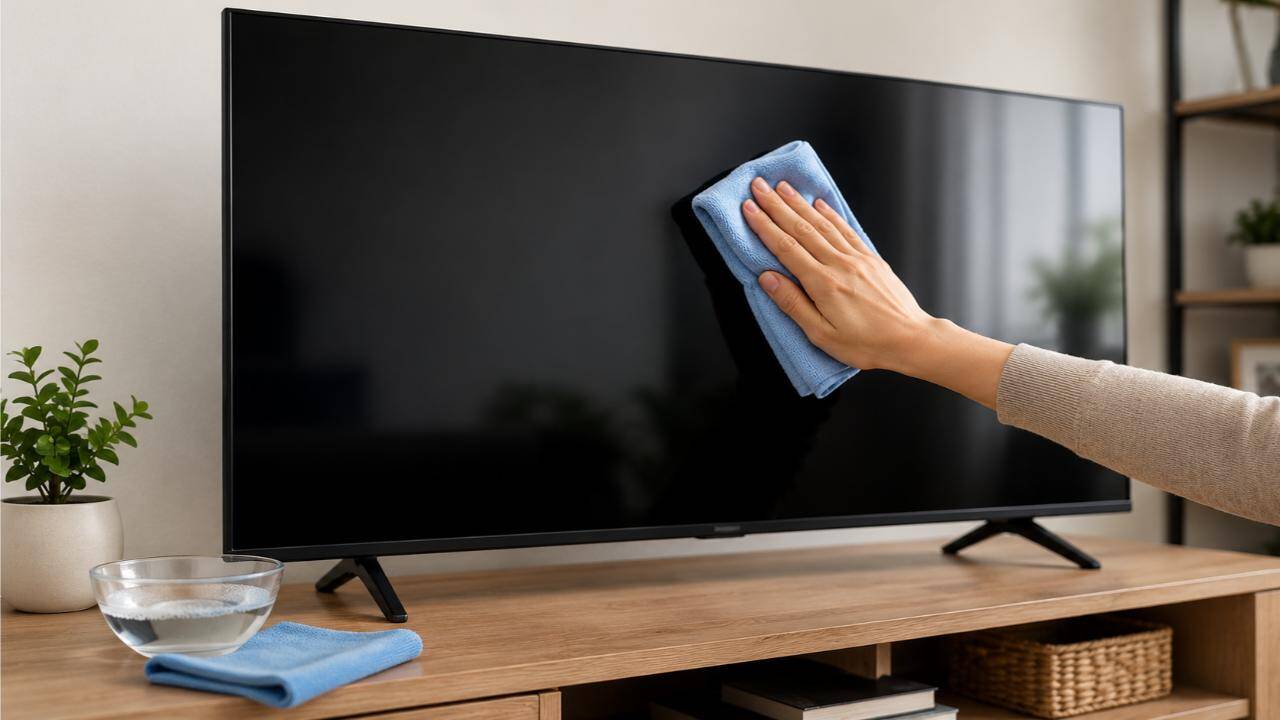
Cleaning a TV screen requires careful attention to avoid damaging the delicate anti-glare and anti-reflective coatings found on modern LED, OLED, QLED and Mini-LED televisions. Soapy water is often asked about for stubborn stains, but direct use is generally discouraged. A diluted soapy water solution may be recommended in such cases, but care must be taken not to use too much soap or spray liquid directly onto the display, as this could damage the protective coating or allow moisture to seep inside the TV.
To clean a TV screen safely with soap, only a small amount of mild dish soap mixed with distilled water should be used. A clean microfiber cloth should be dipped into this solution, wrung out thoroughly so it's only slightly damp, and then used to gently wipe the screen in light, circular motions. After cleaning, a dry microfiber cloth should be used to remove any remaining moisture. Strong detergents or excess soap should be avoided, as they can damage the screen's protective coating.
There are several household items that people often reach for to clean their TV screens, but experts advise avoiding these. Glass cleaners containing ammonia, alcohol, or other harsh chemicals should never be used, as they can damage the protective coating on modern displays. Paper towels may feel soft, but they contain wood fibers that can scratch the screen and leave lint behind.
Household cleaning sprays, multi-purpose cleaners, and disinfectant sprays are not designed for electronics and could damage the screen if sprayed directly onto it. Strong cleaning agents like rubbing alcohol, acetone, bleach, or ammonia-based products can also strip away the anti-reflective coating found on many modern televisions.
Spraying water directly onto the screen should also be avoided, as it can run down and seep into the TV through its edges or vents, risking internal damage. Rough cloths, old T-shirts, towels, tissues, or rough fabric should also be avoided, as they can carry dirt or coarse fibers that might scratch the display. Excessive pressure while cleaning should be avoided, as pressing hard on the screen can damage the display panel, especially on OLED and LED TVs.
Finally, baby wipes or wet wipes should never be used on TV screens, as they contain cleaning chemicals, fragrances, or moisturizers that are not safe for electronic displays.
Written by urgent.news from Times of India's reporting — not their text. Machine-written — may contain errors; check the original before relying on it.