Bird flu threat to endangered native wildlife spurs contingency plans
Which of Tasmania's unique animal species is most at risk from H5 bird flu, and what is being done to protect them?
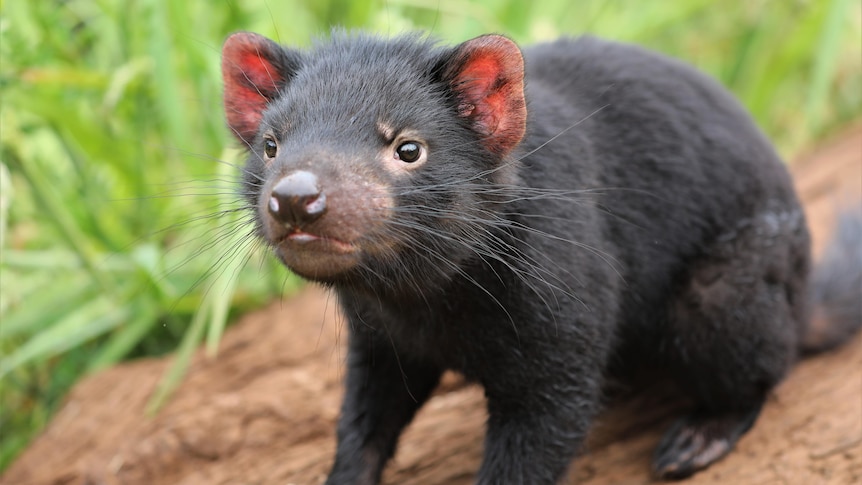
The H5N1 bird flu strain has been detected in a brown skua carcass on Tasmania's north-west coast, raising concerns about the potential impact on the state's unique wildlife. Authorities are implementing contingency plans to protect at-risk species, including strengthened captive populations, vaccination programs, and additional protective measures.
The endangered Tasmanian devil, which scavenge on carcasses, is considered one of the most at-risk animals, although it remains uncertain whether the virus will infect them. The critically endangered orange-bellied parrot and little penguins are also prioritized for protection. While there is currently no H5 bird flu vaccine for mammals, efforts are being made to develop one.
Tasmania's coastlines and nearby islands are home to colonies of little penguins, which are large in population and not a threatened species, making them less of a priority for vaccination compared to the orange-bellied parrots. The pandemic has severely impacted wild aquatic birds, and the state government is working to preserve seabird populations by removing weeds and reducing the impact of pests.
Written by urgent.news from ABC News AU's reporting — not their text. Machine-written — may contain errors; check the original before relying on it.