Biotechnology and AI Reshape Medicine Development Across the UAE and Beyond
The global race to develop new medicines is entering a new phase, and the UAE is positioning itself as one of the regions investing heavily in that transformation. Biotechnology companies, artificial intelligence researchers, healthcare providers, and government institutions are increasingly working together to accelerate drug discovery, improve clinical research, and reduce the time it takes for…
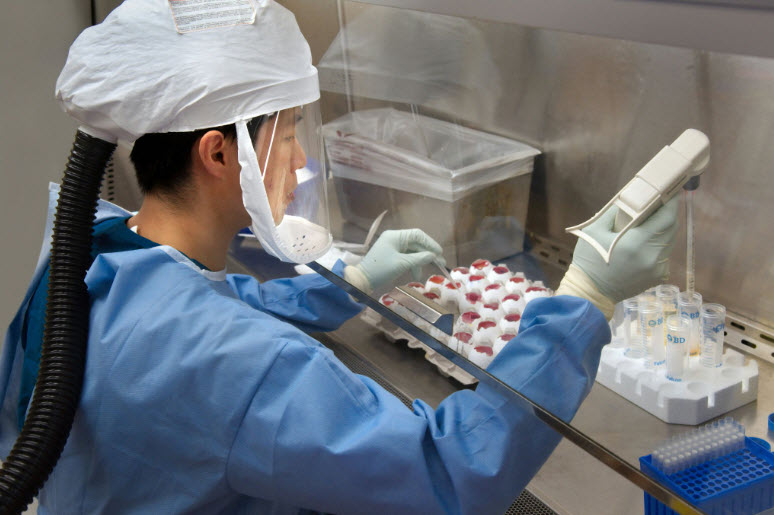
The rapid advancement of biotechnology and artificial intelligence in medicine development is reshaping the global landscape, with the United Arab Emirates (UAE) emerging as a key player in this transformation. Traditional drug discovery and clinical research have long been slow and costly processes, often spanning over a decade to bring a new treatment to market.
However, the integration of AI and biotechnology is accelerating this timeline, providing researchers with powerful tools to analyze extensive biological datasets, predict molecular behaviors, and identify promising drug targets more efficiently.
One of the primary challenges in drug development lies in predicting which compounds will be successful before significant investment in testing is made. AI models can screen millions of molecular structures simultaneously, compare biological interactions, and generate predictions that enable researchers to prioritize the most promising candidates. This early-stage screening significantly reduces the time and resources spent on ineffective treatments.
Moreover, AI is transforming our understanding of protein structures, genetic mutations, and disease mechanisms. By leveraging machine learning techniques, scientists can gain deeper insights into complex biological processes, paving the way for more targeted therapies designed specifically for certain patient populations. The UAE has recognized the strategic importance of healthcare innovation, investing in research partnerships, biotechnology infrastructure, and advanced medical technologies, particularly in Abu Dhabi and Dubai.
While AI offers tremendous potential, it is crucial to acknowledge that it does not replace traditional laboratory science or clinical trials. The generated hypotheses and patterns identified by AI still require rigorous testing to ensure safety and effectiveness. International regulatory bodies are closely examining the evaluation of AI-assisted medical technologies, focusing on transparency, data quality, algorithmic bias, and patient privacy.
One of the most promising applications of this technology is personalized medicine. By combining genomic information, medical history, lifestyle data, and treatment outcomes, researchers can develop therapies tailored to individual patients. This approach holds particular promise for conditions such as certain cancers, genetic disorders, and autoimmune diseases, where personalized treatments could improve effectiveness and minimize side effects.
The UAE's focus on genomic research could play a significant role in personalized medicine, as population-specific genetic studies may help identify disease risks, improve early diagnosis, and support the development of treatments more relevant to regional populations. As countries around the world invest billions of dollars in AI integration into biotechnology, the UAE is actively participating in international research networks, fostering collaboration while also competing for global recognition in this rapidly evolving field.
Written by urgent.news from Arabian Post's reporting — not their text. Machine-written — may contain errors; check the original before relying on it.