Best of Both Sides: Student politics must serve campus, not disrupt it
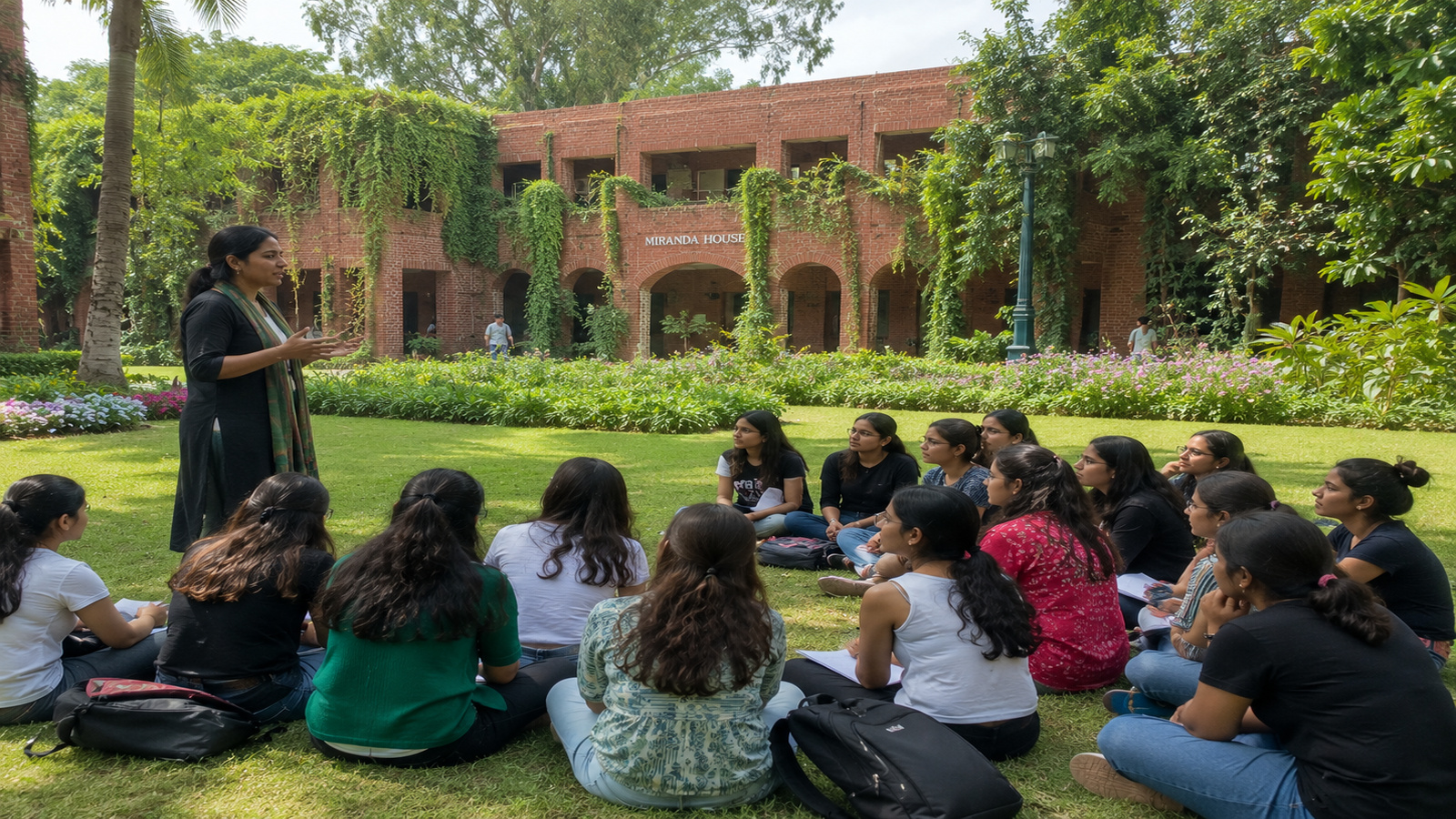
The Madhya Pradesh High Court has mandated the state government to hold elections in university and college student unions, marking a long-awaited response to a petition filed by student leaders, notably from the National Students Union of India (NSUI). This decision comes after irregular and sporadic student union elections in Madhya Pradesh since 2006, following the alleged assassination of professor H S Sabharwal by ABVP activists, an incident which led to the acquittal of six individuals involved.
Historically, universities like Allahabad and Aligarh Muslim University have seen their student unions disbanded, with the latter's student union remaining inactive since 2019. Similarly, the Tata Institute of Social Sciences dissolved its student union and replaced it with an unelected council. This trend of disbanding student unions is not limited to India; globally, student movements have been instrumental in political change.
Notable figures such as Arun Jaitley, Manoj Sinha, and Ravi Shankar Prasad, prominent members of the current regime, have their roots in student politics.
The primary reason for the reluctance to conduct student elections is the presence of money and muscle power, issues present in general elections as well. However, the Lyngdoh Committee's recommendations, made binding by the Supreme Court in 2006, offer a viable solution for conducting clean elections. Universities, however, often use these recommendations as an excuse to dismantle student elections altogether. The author argues that this aversion is motivated by a desire to eliminate student leadership pipelines.
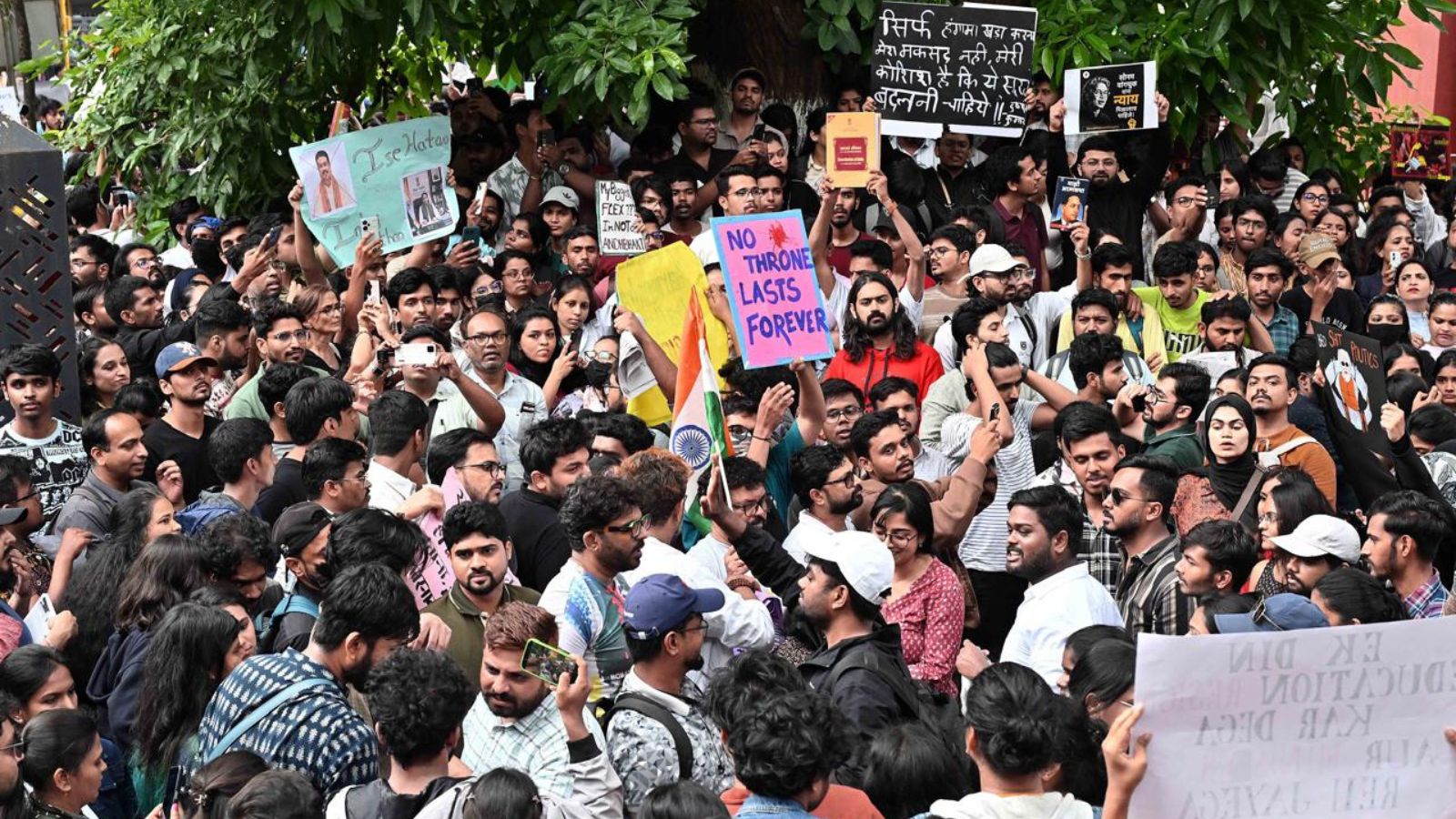
Nationwide student protests over the past few months underscore the demand for students' political agency and the need for their representation in higher education institutions. The failure to allow students to unionize and be represented in their educational institutions' administration undermines the democratic ethos that India prides itself on.
Education is not merely about skill acquisition; it is a process that cultivates citizens and voters. The denial of students' rights to organize and be represented reflects a broader issue of infantilization in higher education.
The recent protests have highlighted the necessity for students to have a voice, both within their institutions and in national politics. This demand for political engagement is shared across all political parties and is crucial for the resolution of the current crisis in India's education sector. The success of democratising higher education lies in the shared resolve of all stakeholders.
Written by urgent.news from The Indian Express's reporting — not their text. Machine-written — may contain errors; check the original before relying on it.
Also reported by 1 other outlet
- Best of Both Sides: Student politics is democracy’s first classroom indianexpress.com