'Automatically ineligible': New Eurovision rule changes who can host the contest
The changes are designed to provide greater clarity and protect the contest's integrity, organisers say.
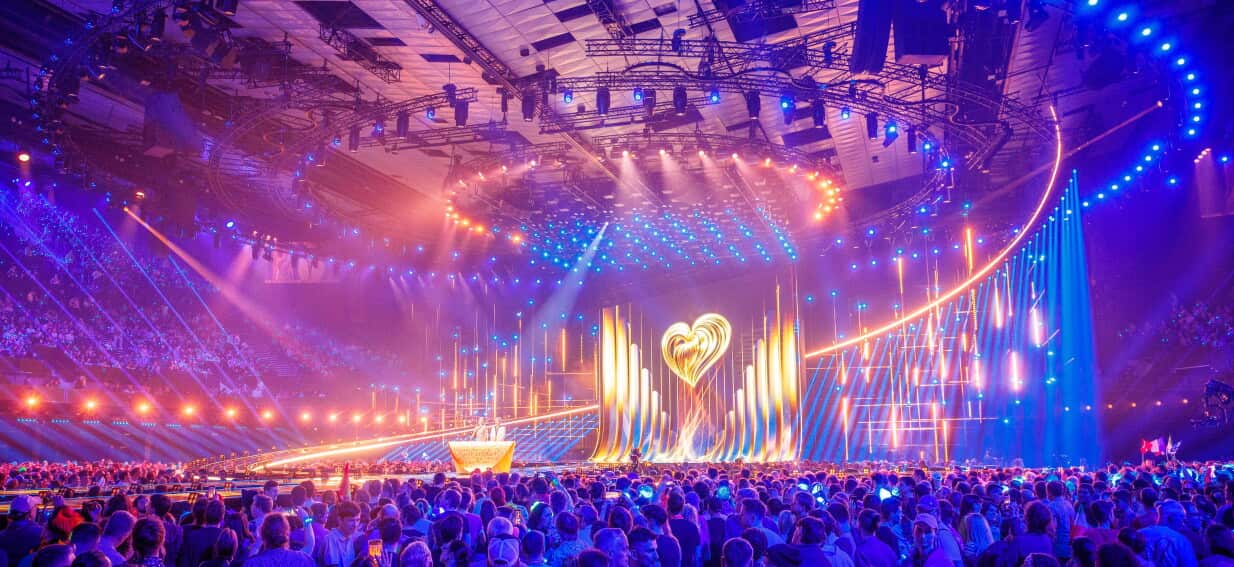
Eurovision Song Contest organisers have announced new rules that automatically exclude any country involved in an armed conflict from hosting the competition. This change also raises the minimum age of competitors to 18, up from 16, on the day of their first rehearsal. The rules are designed to provide greater clarity, protect artists, and ensure the contest remains a safe and welcoming environment.
The 2025 and 2026 winners, Israel, are particularly affected by these new regulations, as they have been at war in Gaza since 2023 and have previously finished second in the competition. In response, five countries - Spain, Ireland, the Netherlands, Slovenia, and Iceland - boycotted the 2026 competition in Vienna due to Israel's participation.
A UN report concluded that Israel is committing genocide in Gaza, though Israel denies these allegations. Eurovision is a co-production of public broadcasters belonging to the European Broadcasting Union, and while it includes members from outside Europe, it is not limited to European countries.
Written by urgent.news from SBS News's reporting — not their text. Machine-written — may contain errors; check the original before relying on it.